Understanding Measles and Its Risks
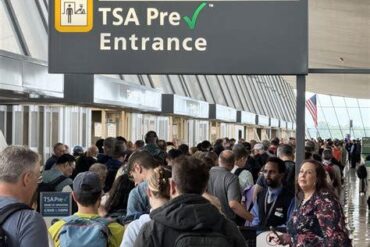
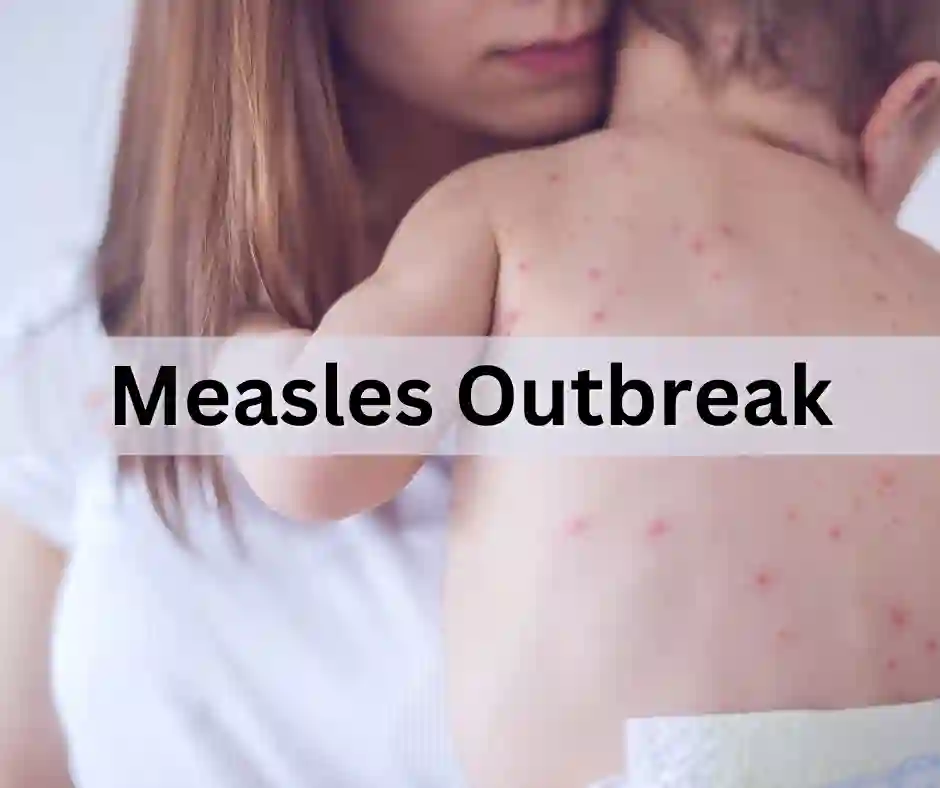
Measles is not just a mild childhood illness; it can lead to severe complications such as pneumonia, encephalitis, and even death, especially among children under the age of ten who are malnourished or have weakened immune systems. The outbreak has affected ten communities in Bolivia, necessitating urgent action to curb its spread. The CDC has emphasized that measles can spread rapidly, particularly in crowded environments like airports and tourist attractions, making vaccination crucial for all travelers.
The CDC’s Travel Health Advisory
In response to the outbreak, the U.S. Centers for Disease Control and Prevention (CDC) has issued a comprehensive Travel Health Advisory, urging all travelers to ensure they are fully vaccinated against measles prior to their arrival in Bolivia. This advisory underscores the necessity of the measles-mumps-rubella (MMR) vaccine, which offers robust protection against measles. Given that approximately 1 million visitors traveled to Bolivia last year, the risk of exposure to the disease is significant, making vaccination an essential step in safeguarding health.
Vaccination Recommendations
To mitigate the risk of contracting measles, the CDC recommends the following vaccination guidelines:
- Adults and older children should ensure they have received two doses of the MMR vaccine.
- Infants aged 6–11 months traveling to Bolivia should receive an early dose of the MMR vaccine, as they are particularly vulnerable during outbreaks.
Vaccination not only protects individual health but also contributes to community immunity, safeguarding those who cannot be vaccinated due to medical conditions.
Bolivia’s Nationwide Vaccination Campaign
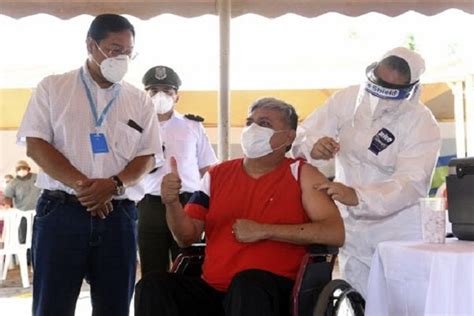
The Bolivian government is taking decisive action to contain the outbreak through an extensive vaccination campaign. Health Minister Castro has called on parents to vaccinate their children, stating, “It is essential that parents get their children vaccinated.” To facilitate access, 24-hour vaccination centers have been established across all 56 municipalities in Bolivia. These centers are equipped to administer vaccines and provide information on measles and its risks.
Additionally, the government is conducting public awareness campaigns aimed at educating communities about the importance of vaccination and the potential dangers associated with measles. By increasing vaccination coverage, authorities hope to prevent further spread of the disease and protect vulnerable populations.
The Impact of Measles on Tourism
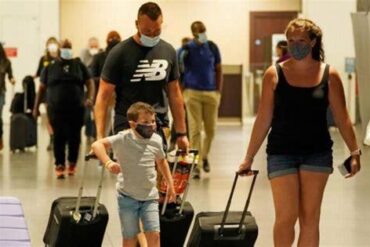
The ongoing measles outbreak in Bolivia carries significant implications for tourism. As the country remains a popular destination for travelers seeking adventure and cultural experiences, it is crucial for prospective visitors to be aware of the health risks involved. Travelers should take proactive steps to ensure their safety and well-being while exploring Bolivia’s rich offerings.
Essential Travel Recommendations
Here are some vital recommendations for travelers planning to visit Bolivia amid the outbreak:
- Vaccination: Ensure that all vaccinations, including the MMR vaccine, are current before departure.
- Health Precautions: Maintain good hygiene practices, such as frequent handwashing and avoiding close contact with individuals exhibiting symptoms of illness.
- Monitor Health: Be alert for symptoms of measles, which include high fever, cough, runny nose, and a distinctive red, blotchy skin rash. Early detection is key to preventing further transmission.
Areas of Concern
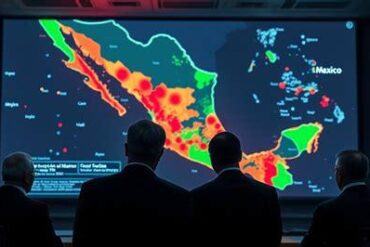
As mentioned earlier, the Santa Cruz region is currently the most affected area, and travelers should exercise caution when visiting this region. It is advisable to stay updated on the latest health advisories from local authorities and the CDC to ensure a safe travel experience.
Final Thoughts: Prioritize Health and Safety
While Bolivia continues to attract tourists, the current measles outbreak serves as a stark reminder of the importance of health precautions. Ensuring that vaccinations are up to date, practicing good hygiene, and staying informed about health advisories are crucial steps in mitigating risks. Travelers are encouraged to consult with healthcare providers or travel medicine specialists well in advance of their trip to Bolivia. By taking these proactive measures, travelers not only protect their health but also contribute to the overall containment of the outbreak, ensuring a safer environment for everyone.
In conclusion, as Bolivia navigates through this public health challenge, responsible travel practices and vaccination will play a pivotal role in safeguarding both individual health and public safety.