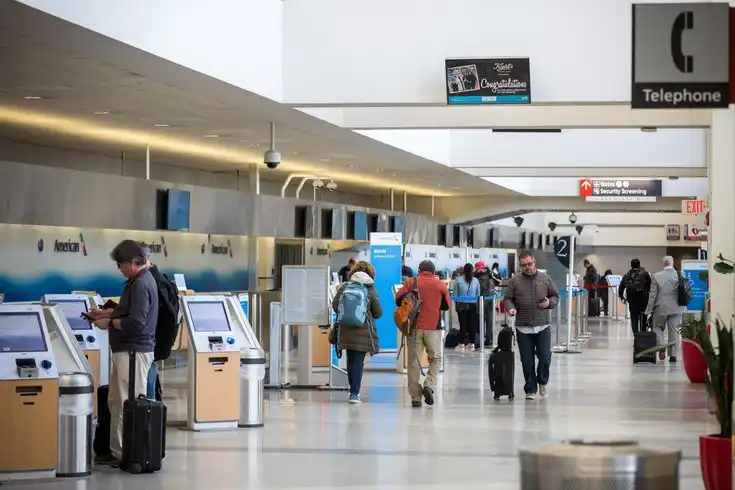
The recent measles exposure linked to travel between Philadelphia International Airport and Baltimore/Washington International Thurgood Marshall Airport has drawn renewed attention to how easily infectious diseases can move across interconnected transportation systems. This case is not defined by a single terminal or aircraft cabin, but by the seamless way modern travelers pass through airports, rail stations, and ground transit in a matter of hours, carrying pathogens along routes designed for speed and efficiency rather than containment.
What makes this incident especially concerning is the intermodal nature of the exposure. A single infected traveler reportedly moved through PHL, Philadelphia’s 30th Street Station, an Amtrak Northeast Regional train, and areas near BWI, demonstrating how public health risks no longer belong to one mode of transport. In a densely networked travel corridor like the US Northeast, a contagious virus can silently follow timetables and ticketed itineraries.
The case involves a pre-school-aged child from Northern Virginia, diagnosed with measles after returning from international travel. According to public health reporting, the child passed through some of the busiest transit hubs in the region during peak evening hours, a time when airports and stations are crowded with commuters, families, and long-distance travelers. These conditions significantly amplify exposure potential long before symptoms prompt medical attention.
Tracing the Route From PHL to BWI
On January 7, the child is believed to have transited Philadelphia International Airport between approximately 7:50 pm and 11:00 pm, then moved through 30th Street Station from 8:15 pm to 11:25 pm, before boarding a southbound Amtrak Northeast Regional train. Each location represents a unique exposure environment, with different airflow systems, crowd densities, and dwell times that complicate contact tracing efforts.
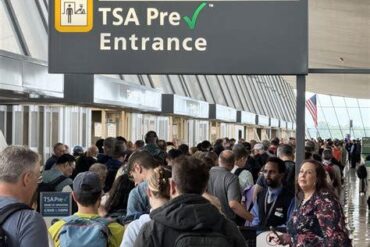
Unlike controlled settings, intermodal hubs encourage lingering. Travelers wait for baggage, stand in ticket lines, sit in shared lounges, and cluster near boarding gates. Even brief exposure in these spaces matters with measles, a virus capable of infecting up to 90 percent of susceptible individuals who share airspace with an infected person. The subsequent link to a potential exposure near BWI, though not inside the terminal itself, reinforces how risk extends beyond security checkpoints.
Why Measles Thrives in Transit Environments
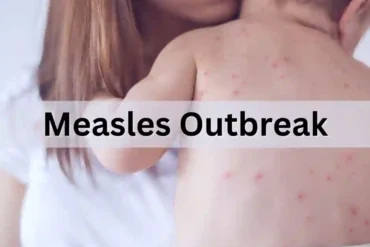
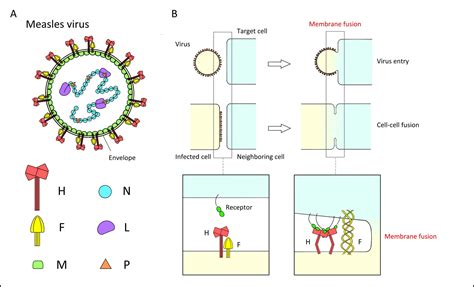
Measles is among the most contagious viruses known, with the ability to remain airborne for up to two hours after an infected person leaves an area. Transmission occurs through coughing, sneezing, speaking, or even breathing, turning enclosed or semi-enclosed transit spaces into invisible risk zones. Symptoms such as high fever, cough, runny nose, red eyes, and rash often appear days after exposure, allowing infected travelers to move freely while contagious.
Airports and trains are uniquely vulnerable because they combine high passenger turnover with international reach. People from different regions, immunity backgrounds, and vaccination statuses converge briefly, then disperse widely. The Centers for Disease Control and Prevention has confirmed no measles cases in Pennsylvania so far this year, but 16 cases were recorded last year, underscoring how quickly circumstances can change.
A Pattern Seen Across US Airports
This is not an isolated event. In mid-2025, a measles exposure at Phoenix Sky Harbor International Airport prompted coordinated contact tracing between federal, state, and local authorities. That case followed a familiar pattern: international travel, delayed diagnosis, and retrospective identification of exposure windows. Each incident reinforces how airports function as global mixing chambers, where a localized infection can gain national relevance within hours.
The Philadelphia-to-Baltimore case is particularly instructive because it highlights rail travel as an extension of airport risk, not a separate category. Amtrak corridors mirror flight paths in density and speed, yet often receive less attention in public health discussions about disease spread.
Protective Measures for Modern Travelers
Travelers are not powerless in these environments. Consistent personal hygiene, situational awareness, and preventive behaviors significantly reduce infection risk. Covering coughs and sneezes, avoiding touching the face with unwashed hands, and practicing frequent handwashing remain foundational. Alcohol-based hand sanitizer with at least 60 percent alcohol is a reliable alternative when soap and water are unavailable.
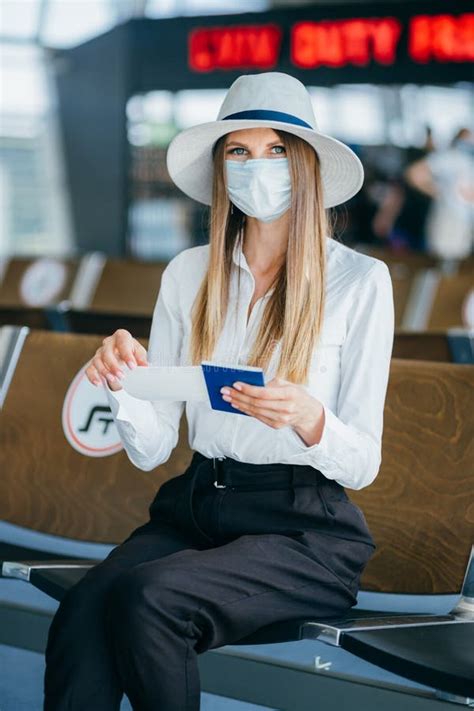
Mask use, while no longer mandated in most travel settings, remains a highly effective barrier in crowded terminals and onboard aircraft or trains. Proper fit over the nose and mouth is essential for meaningful protection. Improving airflow also matters; directing overhead air vents toward the face on aircraft helps circulate filtered air, reducing localized exposure.
Sanitizing high-touch surfaces such as armrests, tray tables, and seat areas adds another layer of defense. Equally important is responsible decision-making. When illness is suspected, delaying travel can prevent widespread exposure and protect vulnerable populations, including infants and immunocompromised individuals.
Intermodal Travel Demands Intermodal Health Awareness
The journey from PHL to BWI illustrates how modern mobility reshapes public health challenges. As transportation systems grow more integrated, disease surveillance and traveler awareness must evolve alongside them. Measles may be vaccine-preventable, but its persistence in global travel networks proves that vigilance, preparation, and informed behavior remain essential parts of every journey.