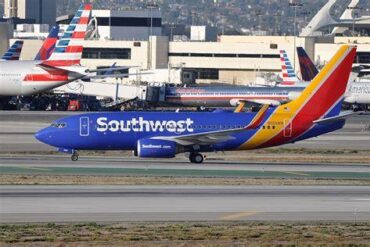
Southwest Airlines is set to rewrite its legacy with the announcement of its first-ever transatlantic route, connecting Baltimore/Washington International Thurgood Marshall Airport (BWI) to Reykjavik, Iceland, expected to commence in spring 2026. This bold venture signals a pivotal evolution for the Dallas-based carrier, known for its relentless focus on domestic, point-to-point service and its steadfast reliance on the Boeing 737 fleet.
The move marks not only a significant geographic expansion but also exposes the carrier to the intricate realities of long-haul international travel, with its corresponding operational, regulatory, and brand challenges.

Iceland: A Strategic Yet Cautious Gateway to Europe
The choice of Reykjavik as Southwest’s inaugural European destination is steeped in both practicality and strategy. Located in the North Atlantic, Iceland offers a reachable target within the operational limits of the Boeing 737 MAX 8, an aircraft capable of handling transatlantic flights from the US East Coast under favorable conditions. Reykjavik serves as a well-trodden entry point for airlines with fleet constraints or seeking manageable first steps into the competitive European aviation market.
Southwest has long held rights under international aviation treaties to operate in over 130 countries, yet has historically refrained from tapping into these markets. The Reykjavik route represents the first tangible test of those dormant rights, offering a low-risk, high-visibility opportunity to explore broader international prospects.
Iceland’s relatively open airspace and Reykjavik’s manageable airport infrastructure present an appealing scenario for Southwest, especially in contrast to heavily congested hubs like London Heathrow or Paris Charles de Gaulle, where slot restrictions and intense competition dominate.
The Icelandair Partnership: Opportunity Meets Operational Constraints
Southwest’s existing arrangement with Icelandair, which facilitates smoother booking and baggage transfers for connecting passengers, could theoretically amplify the Reykjavik route’s value. Travelers originating on Southwest’s domestic network may connect onto Icelandair’s established routes to continental Europe, providing access to cities such as London, Copenhagen, Amsterdam, and Frankfurt.
Yet, this partnership is not without limitations. Regulatory complexities and labor agreements are likely to necessitate that Southwest operates its own metal on transatlantic sectors, particularly for the Baltimore-Reykjavik service. While code-sharing arrangements enhance passenger connectivity, they stop short of resolving the underlying fleet and operational hurdles that accompany true long-haul service.
Fleet Composition: A Critical Limitation on European Growth
Southwest’s single-aircraft strategy, centered around the Boeing 737 family, has served it well in its domestic dominance. However, the aircraft’s range and passenger capacity place inherent ceilings on international expansion. The 737 MAX 8, with a published range of approximately 3,550 nautical miles, can feasibly connect Baltimore to Reykjavik under optimal conditions, but deeper penetration into Europe—such as flights to Paris, Rome, or Berlin—remains out of reach.
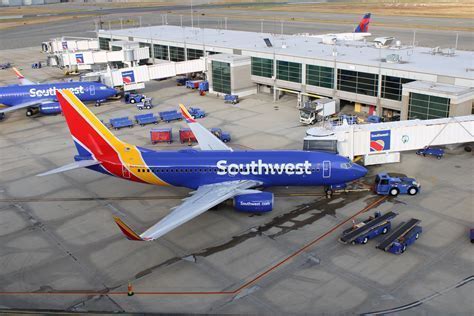
Moreover, Southwest lacks a robust international footprint at critical East Coast gateways beyond Baltimore, limiting its flexibility to scale transatlantic operations. In contrast, major US carriers such as Delta Air Lines, American Airlines, and United Airlines operate expansive networks supported by widebody aircraft like the Boeing 787 Dreamliner and Airbus A330, providing far greater range, comfort, and cargo capacity.
Without similar fleet diversification, Southwest’s European ambitions may remain confined to niche, opportunistic routes rather than forming a cohesive long-haul strategy.
Brand Identity vs. International Expectations
Southwest’s reputation is deeply rooted in its low-cost, no-frills model, with hallmarks such as two free checked bags, open seating, and a relaxed cabin atmosphere. These attributes resonate with US domestic travelers, particularly those seeking affordable, convenient short-haul flights.
Yet, applying this model to transatlantic service presents fundamental challenges. Long-haul travelers—especially those heading to Europe—often expect elevated comfort levels, premium cabin options, and robust in-flight entertainment, features that Southwest’s current offering lacks.
Customers in markets like the Midwest, Texas, or the South may also find it inconvenient to route through Iceland for European travel, especially when competing airlines offer direct, faster connections to major European hubs. Unless Southwest enhances both its onboard experience and route convenience, it risks diluting its brand while struggling to win over a discerning international clientele.
Lessons from Past Expansion Constraints
Southwest’s track record of measured expansion highlights the inherent tension between ambition and operational realities. The airline has previously retreated from Canadian markets and scaled back Hawaiian services, citing challenges with infrastructure limitations, logistical inefficiencies, and its inflexible fleet structure.
These historical bottlenecks underscore the risks facing the Reykjavik initiative. Without addressing fleet diversification or expanding its airport presence strategically, Southwest’s ability to sustain international service remains questionable.
Introducing new aircraft types—such as the Boeing 737 MAX 10 or exploring partnerships for wet-leased widebody aircraft—could provide essential range and capacity enhancements. Alternatively, deepening collaborations with carriers like Icelandair might bridge some of these gaps, though regulatory hurdles and brand consistency must be carefully managed.
The Reykjavik Route: Symbolic Gesture or Structural Shift?
While the Baltimore-Reykjavik route positions Southwest at the threshold of the transatlantic market, its success hinges on more than novelty. To transform this service from a symbolic milestone into a sustainable growth platform, the airline must confront several pivotal challenges:
- Fleet Evolution: Without adding aircraft capable of longer ranges and higher passenger capacities, Southwest’s European footprint will remain marginal.
- Passenger Experience Enhancements: Competing on long-haul routes demands significant improvements in seating comfort, amenities, and in-flight entertainment.
- Strategic Route Development: Beyond Reykjavik, identifying viable, reachable European markets that align with Southwest’s operational model is essential.
- Brand Adaptation: Maintaining the airline’s core identity while evolving to meet international traveler expectations requires delicate balance.
Cautious Optimism Amid Industry Scrutiny
The global aviation sector will undoubtedly watch Southwest’s Reykjavik venture with keen interest. Success could signal a more aggressive pivot into international markets, challenging entrenched legacy carriers. Failure, however, may reinforce the notion that Southwest’s model, while dominant domestically, faces insurmountable barriers on the world stage.
Industry analysts note that the Iceland service arrives amid a broader trend of US carriers capitalizing on pent-up transatlantic demand, fueled by strong leisure travel and favorable economic conditions. Southwest’s timing taps into this momentum but also exposes the airline to heightened competition and elevated service expectations.

Conclusion: Defining the Future Beyond US Shores
Southwest Airlines’ decision to launch nonstop service from Baltimore to Reykjavik marks a watershed moment for the airline and potentially the US low-cost carrier landscape. The move represents a calculated gamble—balancing brand integrity, fleet constraints, and international growth aspirations.
Whether this route catalyzes a broader European expansion or serves as an isolated experiment will depend on Southwest’s willingness to innovate beyond its traditional playbook. Fleet modernization, strategic alliances, and passenger experience upgrades stand as critical pillars for success.
For now, as tickets are anticipated to go on sale by the end of 2025, the aviation world waits to see if Southwest’s inaugural leap across the Atlantic will be a transformational milestone or a fleeting detour from its domestic roots.