In a surprising pivot aimed at reshaping its brand narrative and tapping into untapped demand, Southwest Airlines is reportedly preparing to launch its first-ever transatlantic route. The route? Reykjavik, Iceland — a strategic move that signals the carrier’s tentative yet symbolic step into the European market. For a company known more for budget-friendly domestic travel and short-haul international runs, this development represents a tectonic shift in ambition and market positioning.
The move comes at a critical juncture for the airline. Having recently alienated many loyal customers through a series of unpopular changes — including unannounced fees and downgrades to elite flyer perks — Southwest is seeking a headline-worthy reset. Europe, particularly Iceland, could provide just that.
Why Reykjavik Makes Strategic Sense
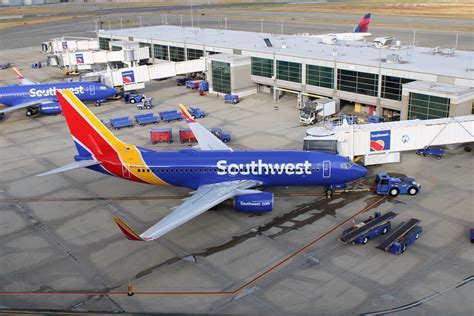
Southwest’s fleet is almost entirely composed of Boeing 737 aircraft, primarily the 737 MAX series. These planes are well-suited for mid-range international routes but lack the endurance for longer transatlantic hops such as to London or Paris. Reykjavik’s Keflavík International Airport (KEF) offers a sweet spot — reachable from major U.S. hubs like Baltimore-Washington (BWI), Chicago Midway, and Orlando using current aircraft with no new capital investment.
Iceland isn’t just a convenient endpoint — it’s a powerful connecting node. Icelandair has long capitalized on its geographical advantage by offering seamless one-stop service between North America and Europe. Now, Southwest’s new interline agreement with Icelandair allows passengers to book connecting itineraries beyond Reykjavik to destinations like Amsterdam, Frankfurt, Paris, and London, all on a single ticket.
This code-sharing setup gives Southwest a low-risk entry into Europe: no need to acquire widebody aircraft or build an overseas support infrastructure from scratch. All that’s needed is the digital integration of booking systems and baggage handling agreements — components already in motion.
Credit Card Synergy and the Rapid Rewards Ecosystem
A significant motivator behind Southwest’s international expansion has little to do with aviation logistics and everything to do with financial products. Just as their aggressive foray into Hawaii flights was partially driven by the need to give value to Rapid Rewards credit card holders, so too is the push toward Iceland.
With Reykjavik and onward European destinations now accessible, Rapid Rewards points become more versatile — a key feature in retaining high-value credit card customers. A TD Cowen financial analysis recently highlighted that Southwest’s loyalty program integration with international travel could increase card spend, renewals, and new acquisitions. The perception of more aspirational travel options makes the product more competitive against offerings from Chase, AmEx, and Citi that partner with full-service global carriers.

Challenges of Going Global with a Domestic Model
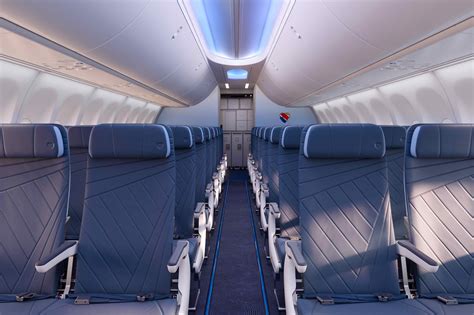
Despite the strategic allure, Southwest’s entry into Europe is fraught with contradictions. The airline’s core product is radically spartan by international standards. There is no business class, no premium economy, no seatback entertainment, and onboard food is limited to snacks. Even Southwest’s famously relaxed baggage policies are no longer unique, following industry-standard restrictions recently imposed.
Connectivity also remains a weak point. Wi-Fi onboard Southwest flights has often been criticized for being slow or unreliable. With no access to airport lounges and minimal in-flight amenities, the carrier’s only real competitive edge in transatlantic markets is pricing.
Yet rock-bottom pricing may not be enough. Operating costs for interlining, baggage handling, and customer service complexity all rise with international expansion. The customer who might accept a no-frills seat from L.A. to Phoenix may be less tolerant of discomfort on a multi-leg itinerary to Berlin or Madrid.
Seasonal Strength, Strategic Timing
Southwest’s rumored launch schedule aligns with the high summer travel season to Iceland, typically spanning late May through early September. This timing is deliberate. The airline can test operational logistics, passenger demand, and load factors during peak months without overcommitting. Reykjavik also offers unique seasonal drawcards — from the midnight sun to glacier hikes — that appeal to the adventure-travel demographic that often overlaps with Southwest’s customer base.
If the trial proves successful, Southwest may choose to operate on a seasonal basis, gradually expanding its offerings based on Icelandair’s feed to continental Europe. This trial-run model mirrors the approach used by other U.S. carriers, such as JetBlue, which began its London flights similarly before scaling operations.
Operational Logistics and Flight Range
Boeing 737 MAX 8 and MAX 9 aircraft, which comprise a growing percentage of Southwest’s fleet, have a maximum range of approximately 3,550 nautical miles. Routes such as Baltimore to Reykjavik (2,740 nm) and Chicago to Reykjavik (2,900 nm) are comfortably within range. These city pairs already function as Southwest strongholds with ample feed traffic.
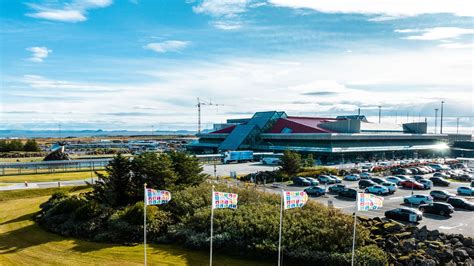
The availability of ETOPS certification (Extended-range Twin-engine Operational Performance Standards) is essential for transatlantic operations, and Southwest has equipped its 737 MAX aircraft accordingly. Minimal infrastructure changes would be needed at KEF to accommodate Southwest, as the airport already handles transatlantic low-cost carriers like WOW air (formerly) and Play Airlines.
Potential Ripple Effects in the Airline Industry
Southwest’s expansion into transatlantic service, even with limited ambition, could send ripple effects through the low-cost carrier ecosystem. Carriers like Norwegian (prior to its long-haul suspension), JetBlue, and Play Airlines have all tested budget-friendly transatlantic models, with varying degrees of success.
What Southwest brings, however, is a massive U.S. domestic network that can feed into Iceland-bound flights from dozens of cities. If they manage to get pricing, logistics, and interline partnerships right, the airline could effectively dominate a niche corner of transatlantic travel — especially for leisure travelers looking for cheaper summer getaways and multi-city European itineraries.
The Road Ahead: Skepticism Meets Potential
Skeptics remain, and for good reason. Southwest is no longer perceived as a maverick carrier. Its recent changes have blurred its once-clear brand identity, turning loyalists into critics. The airline is entering a saturated, highly competitive international market with a product offering that doesn’t align with long-haul passenger expectations.
Yet, Iceland as a European gateway gives them a fighting chance. The move is logistically feasible, financially strategic, and potentially brand-reviving. It offers a narrative pivot just when the airline needs it most. Whether customers buy into that narrative, however, will depend not just on price but on how seamless and comfortable the new experience turns out to be.
One thing is clear: Southwest is no longer grounded in just the domestic mindset. The runway to Europe has opened, and Reykjavik is only the beginning.