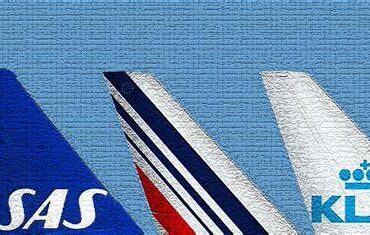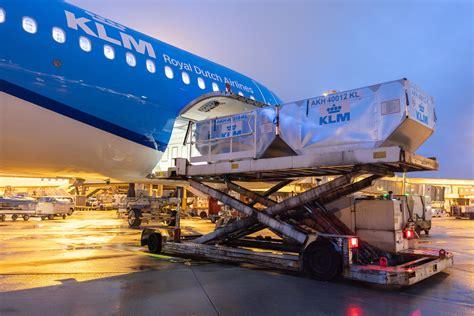
In a landmark moment for European aviation, the Air France-KLM Group has launched an unprecedented cross-border operational integration: Air France pilots are now commanding KLM Boeing 777-200ER aircraft on scheduled transatlantic flights between New York JFK and Amsterdam Schiphol. This initiative, running from July 16 to October 25, 2025, redefines the mechanics of airline collaboration within the EU’s single aviation market, setting a new precedent in workforce flexibility and transnational cooperation.
A Milestone in Cross-Border Aviation Operations
This maneuver isn’t merely an internal reshuffling—it marks the first time Air France flight crews are operating another airline’s scheduled international service. The flight in question is not a secondary or marginal route, but a prime corridor in the transatlantic travel ecosystem: JFK to AMS. The route is a linchpin in maintaining Europe–U.S. connectivity, especially during peak summer travel.
By assigning Air France pilots to KLM metal, the group sends a clear signal that European airline conglomerates can function as unified, agile systems rather than rigidly national brands. Such capability, once constrained by differing national regulations and union agreements, is now made possible through EASA’s harmonized regulatory framework, emphasizing cross-border labor mobility and mutual recognition of certifications. This policy evolution is no longer theoretical—it is actively taking off.
The EU Aviation Vision Comes to Life
The European Union’s single aviation market, established in the 1990s, envisioned a future where carriers across member states could operate seamlessly. While airline alliances and code shares have long existed, this level of operational integration at the cockpit level remained out of reach—until now.
Thanks to meticulous legal groundwork and coordinated regulatory approvals, the Air France-KLM Group is leveraging EU policy to deploy human capital across national boundaries. This decision is particularly timely, as airlines navigate volatile market dynamics, labor shortages, and the urgent need to optimize their fleets without incurring the costs of wet leasing or flight cancellations.
Boosting Transatlantic Tourism and Capacity Resilience
The New York–Amsterdam route is more than a financial juggernaut—it is a gateway to Europe for millions of travelers. As pent-up demand for European vacations continues to surge post-pandemic, ensuring flight frequency and minimizing disruption is mission-critical.
By utilizing Air France pilots on KLM aircraft, the group can respond nimbly to crewing limitations and maximize aircraft availability without compromising safety or reliability. This provides a seamless travel experience for passengers headed not only to Amsterdam but onward to Paris, Rome, and other European capitals through one of Europe’s most efficient hubs.
Precision Training and Digital Innovation Behind the Scenes
Achieving this kind of integration demanded extraordinary levels of coordination, with months of training and simulation exercises. Cockpit interfaces, checklists, and emergency protocols had to be unified across two airlines with different legacies, cultures, and procedural philosophies.
To prepare, Air France pilots underwent recurrent training modules tailored specifically for the KLM 777-200ER fleet, supported by EASA-certified digital scheduling systems and walk-through simulations that modeled both routine operations and potential inflight crises. The use of AI-driven rostering software ensured that pilot qualifications, flight hours, and rest requirements were transparently managed within both carriers’ operational control systems.
This level of tech-enabled crew integration could serve as a blueprint for future shared workforce models in aviation, especially in Europe where multinational groups like Lufthansa Group or IAG might eventually pursue similar strategies.
Operational Flexibility Meets Strategic Cost Control
From a business standpoint, the pilot-sharing program represents a clever solution to escalating operational pressures. With fuel costs spiking, climate regulation compliance tightening, and workforce shortages looming, airline groups must find internal levers to pull before outsourcing or cutting service.
By pooling resources, Air France-KLM Group can scale up or down rapidly without turning to expensive third-party wet leases or risking service degradation. It’s a leaner model that also enhances shareholder confidence, demonstrating that the group can navigate complexity with innovation, not desperation.
Moreover, the initiative adds internal resilience—if one crew base is strained, another can backfill—mitigating the kind of mass cancellations that have plagued the industry during periods of strike action, illness, or regulatory disruption.
Could Shared European Crew Pools Be Next?
Executives within the group have hinted that this JFK–AMS pilot-sharing scheme could be a precursor to wider integration, possibly expanding to other major routes or giving rise to a shared European pilot pool—a concept once unthinkable. Such a model would allow large airline conglomerates to allocate crew resources where demand is highest, regardless of nationality or base airline.
This vision, if realized, would mirror developments in the rail and shipping industries, where EU labor mobility and licensing recognition have already fostered mixed-nationality operating teams. For aviation, the stakes are higher due to safety imperatives—but the potential payoff is transformative.
Passenger Experience: Behind the Cockpit Curtain
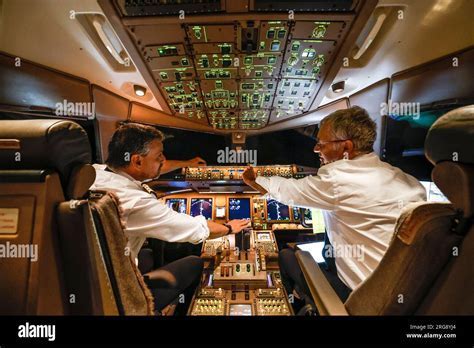
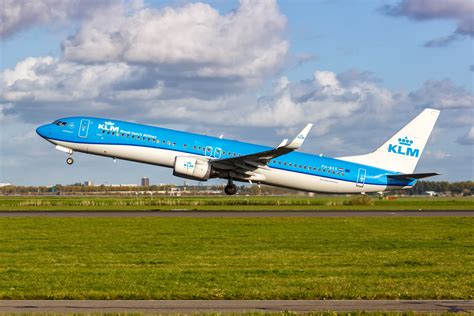
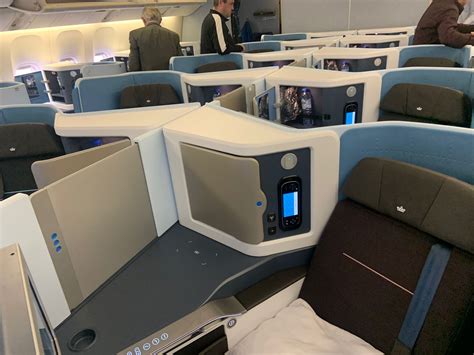
From a traveler’s perspective, the transition is invisible. The aircraft is still branded KLM. Cabin crew remains Dutch. Flight numbers and airport experiences are unchanged. The only difference sits in the left seat of the flight deck, where an Air France captain is now calling the shots.
This subtle integration ensures continuity of brand identity while delivering backend flexibility that benefits travelers. Fewer cancellations, more on-time departures, and a more robust transatlantic schedule during the year’s most demanding travel window—these are outcomes that matter far more than uniform color or language spoken in the cockpit.
Looking to the Future: A Blueprint for a Connected Sky
The Air France-KLM cross-crew operation isn’t just a stopgap for the summer—it’s a strategic test case. If successful, it will unlock a pathway toward deeper integration across European airline groups, where borders no longer dictate resource allocation or limit operational design.
As Europe pursues its climate targets, improves its digital infrastructure, and navigates an evolving geopolitical landscape, flexible, borderless airline models will be essential. The future of aviation in the EU lies not in rigid nationalism but in adaptive cooperation backed by policy and enabled by technology.
This pilot-sharing program between Air France and KLM is a powerful demonstration of that future—where innovation, regulation, and strategic foresight converge at 35,000 feet.
Conclusion: When Policy Meets Practice, Europe Takes Flight
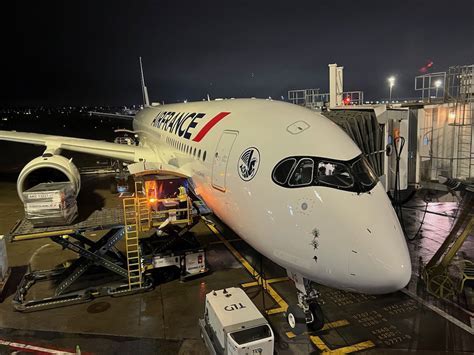
What was once a complex web of national limitations is now being streamlined into a functional, unified European aviation network. Air France pilots flying KLM jets from New York to Amsterdam signals more than a clever workaround—it shows the art of the possible in today’s aviation world.
At a time when travel demand is rising and systemic constraints challenge every carrier, the Air France-KLM Group has demonstrated how to turn policy into practice, strategy into action, and risk into resilience. As more European airline groups explore similar solutions, the sky’s the limit for this new era of integrated aviation.