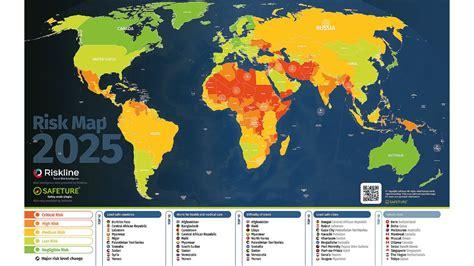
In 2025, a coalition of countries across Southeast Asia, including China, South Korea, Cambodia, Indonesia, Laos, Malaysia, Philippines, Singapore, and Thailand, has issued a series of updated travel advisories aimed at alerting travelers to new dangers and safety concerns. This collaborative effort highlights the region’s ongoing geopolitical tensions, public health risks, and susceptibility to natural disasters, all of which are shaping the travel landscape for millions planning to visit these destinations.
A Closer Look at Each Country’s Advisory
South Korea: Level 1 – Exercise Normal Precautions
Travelers heading to South Korea should remain vigilant despite the country maintaining a Level 1 advisory, indicating it is generally safe for visitors. However, there are notable risks, particularly related to domestic political situations. Large-scale demonstrations can arise unexpectedly, potentially leading to disruptions in transportation and essential services. Although these protests are typically peaceful, travelers are encouraged to stay updated on public gatherings. Furthermore, a shortage of physicians may affect healthcare access, especially outside major urban areas. Comprehensive travel insurance is advisable for any medical needs.
China: Level 2 – Exercise Increased Caution
With its vast political and geographical complexities, China has received a Level 2 advisory, urging travelers to exercise increased caution. Key issues include the arbitrary enforcement of local laws, which can lead to unexpected legal troubles for foreign nationals. Travelers should familiarize themselves with local regulations to avoid complications. Certain remote areas, such as parts of Xinjiang, pose risks of armed bandit attacks and civil unrest. While major tourist destinations remain secure, venturing into less monitored border areas can be perilous. Travelers are advised to keep abreast of current events through reliable news outlets.
Cambodia: Level 1 – Exercise Normal Precautions
Despite being categorized under a Level 1 advisory, Cambodia still presents some risks that travelers should heed. Petty crime, particularly in tourist-heavy locations, is prevalent. Incidents of pickpocketing and bag-snatching are common, necessitating vigilance in crowded markets and streets. Additionally, travelers should be aware of severe storms and flooding during the wet season from July to November, which can create health risks related to waterborne diseases. Adopting basic safety practices is essential for minimizing exposure to these risks while exploring Cambodia’s rich cultural heritage.
Indonesia: Level 2 – Exercise Increased Caution
Indonesia, known for its breathtaking landscapes and vibrant culture, is under a Level 2 advisory. This indicates potential dangers such as terrorism and natural disasters—including earthquakes and volcanic eruptions—which travelers must monitor closely. Civil unrest, particularly in regions like Central and Highland Papua, poses additional risks. Due to limited U.S. government assistance in high-risk areas, travelers are urged to prepare adequately and avoid these regions. Nevertheless, Indonesia remains an attractive destination with over 17,000 islands, but caution is paramount.
Laos: Level 2 – Exercise Increased Caution
The enchanting landscapes and serene lifestyle of Laos come with a Level 2 advisory. Travelers should be mindful of sporadic civil unrest, particularly in provinces like Xaisomboun, and remain cautious of unexploded ordnance left from past conflicts. While urban areas such as Vientiane and Luang Prabang are generally safe, exploring off-the-beaten-path locations requires vigilance due to potential dangers from both banditry and landmines. Laos offers an immersive cultural experience for those willing to navigate its complexities carefully.
Malaysia: Level 1 – Exercise Normal Precautions
Malaysia retains its status as a Level 1 travel destination, indicating a relatively safe environment for tourists. However, concerns about kidnapping-for-ransom in the eastern state of Sabah cannot be overlooked. Travelers are advised to stay aware of their surroundings, especially when venturing into isolated regions. Malaysia boasts world-class attractions ranging from the cosmopolitan city of Kuala Lumpur to the pristine beaches of Langkawi, making it a diverse and appealing destination for travelers.
Philippines: Level 2 – Exercise Increased Caution
Under a Level 2 advisory, the Philippines presents several security challenges, including ongoing threats of terrorism and civil unrest. Regions such as the Sulu Archipelago and Marawi City should be avoided due to active terrorist groups. The risk of kidnapping, particularly in rural areas, further complicates the safety landscape. Despite these risks, the Philippines is home to stunning natural beauty and cultural richness, but travelers must prioritize their safety by remaining informed and cautious.
Singapore: Level 1 – Exercise Normal Precautions
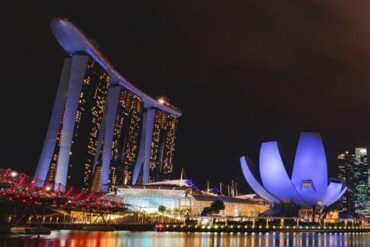
Singapore stands out as one of the safest travel destinations worldwide, maintaining a Level 1 advisory. While there are no significant safety concerns, travelers are encouraged to stay updated on health advisories regarding COVID-19 and other communicable diseases. The city-state is renowned for its modern infrastructure, efficient public services, and excellent healthcare facilities, ensuring a seamless travel experience for visitors.
Thailand: Level 1 – Exercise Normal Precautions
Thailand, a beloved tourist hotspot, continues to receive a Level 1 advisory. While it remains a vibrant destination, travelers should be aware of certain risks, such as potential earthquakes stemming from seismic activity in neighboring Myanmar. Moreover, the southern provinces bordering Malaysia have experienced sporadic violence and civil unrest, warranting caution for those seeking a tranquil vacation. Thailand’s rich cultural heritage and stunning landscapes make it an enticing destination, yet travelers should stay alert and follow local advice.
Navigating Travel Safely in Southeast Asia
The updated travel advisories for Southeast Asia in 2025 underline a complex interplay of safety risks, political unrest, terrorism threats, and natural disasters. Despite many destinations retaining their appeal, travelers must prioritize staying informed, adhering to local guidelines, and taking necessary precautions. By understanding the unique challenges presented by each country, travelers can make educated decisions, enjoy their journeys securely, and contribute to sustainable tourism in the region.