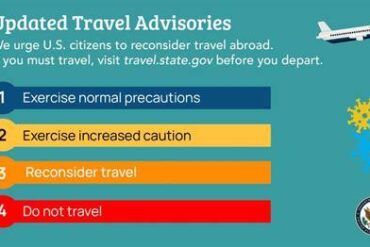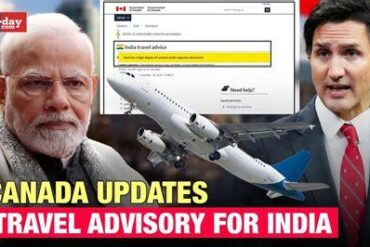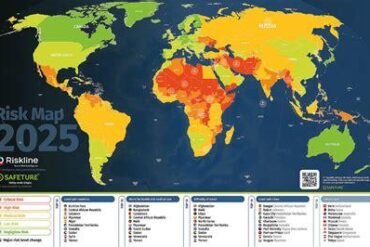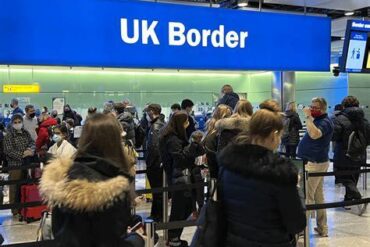
On July 21, 2025, the governments of Canada, the United States and the United Kingdom jointly issued updated travel advisories spanning Europe’s most popular destinations—Spain, Italy, France, Germany, Greece and more—citing a marked uptick in petty crime, civil unrest, cyber vulnerabilities and regional instability. While none of the advisories categorically discourage travel, they share a unified call for heightened vigilance as the continent enters its busiest summer season.
Overview of Continental Alert Dynamics
Europe’s 2025 summer surge brings record crowds to historic landmarks, city centers and transport hubs. Against this backdrop, authorities on both sides of the Atlantic and the Channel have recognized shifting security dynamics: from pickpocket rings exploiting packed plazas to unpredictable demonstrations that can unfold with little warning. By pooling intelligence and harmonizing guidance, Canada, the US and UK aim to equip travelers with real‑time situational awareness and concrete precautions rather than blanket bans.
Spain: From Las Ramblas to Puerta del Sol
In Spain, Canadian officials flag Madrid’s Gran Vía and Puerta del Sol, as well as Barcelona’s Las Ramblas, as hotspots where distraction scams, fake‑police encounters and coordinated pickpocket teams operate relentlessly. Instances of passport theft recur at major transit points like Atocha train station and airport arrival halls. Meanwhile, US advisory notes that spontaneous political rallies can materialize in urban plazas with minimal notice—markets and metro stations are especially vulnerable. The UK guidance underscores zero tolerance for contraband: British nationals have faced arrest for minor drug possession during airport layovers; comprehensive insurance and strict compliance with local laws are essential.
Italy: Crowds, Celebrations and Caution
Roman holidays and Venetian canals draw millions, but Canada warns of petty scams in Rome, Florence and Venice—tourists distracted by a spilled drink or a feigned accident may find their valuables stolen moments later. Vehicle break‑ins and break‑ins of short‑term rentals add to the risks. The US advisory urges registration with embassy services, especially during festivals and peak transit hours, while the UK bulletin signals that Jubilee 2025 events in Rome will heighten crowd density, logistic bottlenecks and temporary closures; dual nationals should carry valid ID at all times.
Germany: Cyber Threats and Lone‑Actor Risks
Germany’s high‑speed trains and public Wi‑Fi zones present fertile ground for both digital and physical crimes. Canadian warnings cite rising incidents of passport theft on regional trains and cyber‑fraud schemes targeting unsecured networks. US officials caution travelers to steer clear of large demonstrations and remain alert for lone‑actor violence in major squares and shopping districts. The UK note highlights renewed border controls with Poland—ID checks and delays at checkpoints are now the norm.
Denmark & Beyond: Regional Snapshots
In Copenhagen, Canada reports seasonal theft surges and gang‑linked incidents in Christiania and Nørrebro; photography in certain zones can provoke harassment. The US flags elevated risk around landmarks and entertainment venues, while UK advice extends strict drug‑penalty warnings to the Faroe Islands and Greenland. In Poland, Canada deems the country generally safe but advises caution near the Ukrainian border; US travelers should enroll in STEP alerts; UK guidance offers specialized support for women, LGBT+ and solo visitors.
Greece: Strikes, Scams and Seasonal Risks
Despite relative stability, Canadian authorities caution against labor strikes and transit scams—particularly on routes between Athens International Airport and the city. US guidance recommends backup itineraries and avoidance of protest‑prone sites like Syntagma Square; UK travelers must monitor wildfire alerts from April through October and carry environmental‑emergency coverage.
Central Europe & Western Highlights
Hungary’s roadside distractions and pickpocket tricks warrant basic precautions (Canada), flexible schedules around political rallies (US) and new UK focus on weather‑related risks and volunteer‑safety in remote areas. France remains at maximum Vigipirate alert (Canada), with visible security forces at stations and landmarks; US citizens should avoid strike‑related roadblocks; UK advice stresses planning around mass gatherings. In the Netherlands, group pickpocketing schemes in Amsterdam’s Red Light District and tram lines spike Canadian concerns; US warnings emphasize real‑time situational awareness; UK guidance covers Dutch Caribbean territories. Switzerland sees purse snatching at service stations (Canada) and train theft; US travelers are encouraged to enroll in emergency systems; UK notes UEFA Women’s Euro 2025 impacts on transit. Austria maintains low overall risk but sees frequent distraction tactics in Vienna (Canada); US and UK advisories echo the importance of situational vigilance and compliance with strict drug laws.
Strategic Recommendations for Every Traveler
Across all advisories, the three nations converge on core best practices: register with your embassy; monitor local media and official alerts; avoid high‑risk zones and spontaneous demonstrations; purchase comprehensive travel insurance covering health, civil unrest and environmental emergencies; secure valuables in anti‑theft pouches; and remain alert in crowds and transit hubs. By blending proactive planning with on‑the‑ground awareness, travelers can continue to explore Europe’s unparalleled cultural tapestry while minimizing exposure to evolving security challenges.