Newly issued travel alerts from the governments of the United States and Canada have sparked renewed concerns over the safety and security of travelers heading to key regions across the American Southwest. With an intensified focus on Los Angeles, urban centers, and the U.S.–Mexico border zones in California, Arizona, New Mexico, and Texas, these warnings serve as a crucial heads-up for both domestic and international visitors navigating an increasingly volatile landscape.
Heightened tensions in Los Angeles, growing threats linked to drug trafficking, and an uptick in urban crime rates have converged to paint a troubling picture—one that governments now feel compelled to officially address.
Widening Scope of Risk in Los Angeles and Beyond
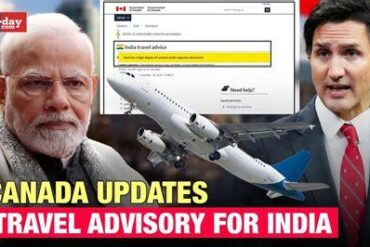
The most pronounced element of Canada’s latest advisory—updated on June 11, 2025—centers around the protests that erupted in Los Angeles on June 6. While political demonstrations are not uncommon in U.S. cities, the current wave in LA has taken on a more disruptive dimension, forcing local authorities to impose strict curfews and ramp up police presence.
The curfew now covers much of downtown Los Angeles from 8 p.m. to 6 a.m., a measure not taken lightly and indicative of serious unrest. Canadian authorities caution their citizens to avoid areas of demonstration and to strictly adhere to all curfew orders. These protests, though largely peaceful by day, have seen sporadic instances of violence, property damage, and confrontations with law enforcement during nighttime hours.
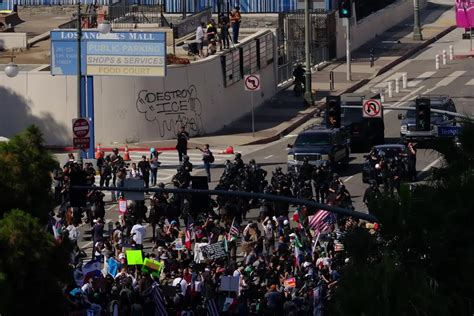
International travelers unfamiliar with the dynamics of American civil demonstrations may find themselves inadvertently caught in tense situations. As such, embassies are urging individuals to monitor local news, register with consular services, and follow real-time law enforcement updates.
Border Regions: Drug Trafficking and Nighttime Dangers
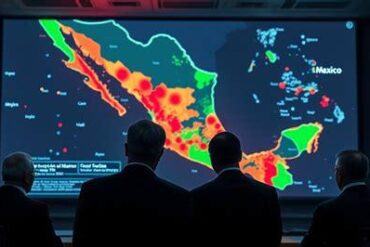
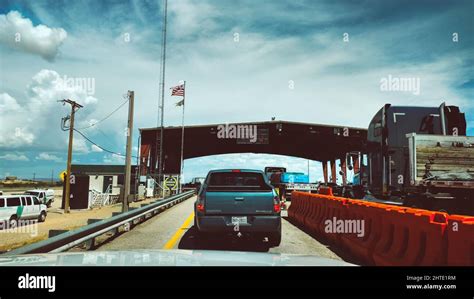
Far from confined to metropolitan turmoil, the advisories also highlight persistent dangers along the U.S.–Mexico border, particularly in remote and poorly lit areas of California, Arizona, New Mexico, and Texas. Canadian officials have flagged drug trafficking as the primary driver of crime in these border zones, often tied to transnational criminal networks operating with impunity after dark.
Nighttime travel is strongly discouraged, especially when crossing borders by car. The risk profile dramatically increases in the evening due to reduced law enforcement visibility, fewer bystanders, and opportunistic criminal activity targeting out-of-town vehicles. Canadians and Americans alike are encouraged to stick to official border crossings, where surveillance infrastructure and personnel presence offer some measure of protection.
Urban Centers See Rising Crime Rates
Beyond the borderlands, urban environments in the southwestern United States have also become focal points for concern. Authorities point to an uptick in both petty crime, such as pickpocketing and purse snatching, and more serious incidents including armed robbery, particularly in lower-income neighborhoods or after dark. These areas, often within striking distance of popular tourist destinations, present a growing dilemma for visitors seeking an authentic urban experience without exposing themselves to avoidable risks.
The Canadian advisory underlines that while violent crime is not typically directed at tourists, the presence of gang-related activity, drug-fueled altercations, and lone-wolf attacks remain unpredictable. Travelers are advised to maintain a low profile, refrain from carrying visible valuables, and avoid traveling alone at night in unfamiliar areas.
Protest Zones and Curfews: A New Travel Reality
Los Angeles is not the only city affected by civil unrest. The new travel alerts suggest that protests may spread or flare up in other urban centers as national debates over policing, immigration, and economic inequality escalate. Canadian officials stress that tourists should never join or observe such events, even out of curiosity. Doing so can invite legal complications or exposure to spontaneous violence.
Law enforcement in the U.S. maintains the authority to detain individuals violating curfew or obstructing police action, regardless of nationality. Thus, travelers are urged to check with local hospitality providers and airports about any changes to operational hours or safety protocols.
U.S. Advisory to Canada: A Minor Yet Telling Update
In a reciprocal move, the United States updated its travel advisory to Canada, though the changes were comparatively minor. The advisory reaffirms a general stance of standard precaution, without highlighting any acute dangers. However, it aligns with Canada’s position on terrorism preparedness, advising American travelers to remain alert, particularly when venturing into remote or isolated areas.
The U.S. advisory also encourages travelers to sign up for STEP (Smart Traveler Enrollment Program), which allows for real-time communication and consular support during emergencies.
Tourism Industry Impact and Public Reaction
The cascading effect of these travel alerts is beginning to ripple through the hospitality and tourism industries in affected states. In Los Angeles, hotel bookings have dipped noticeably since the imposition of curfews, with major hotel chains reporting upticks in cancellations and a decline in last-minute reservations.
Tour operators in the border regions of Arizona and New Mexico are also experiencing slower-than-usual summer traffic, especially from Canadian tourists who form a significant percentage of seasonal travelers. Public sentiment online ranges from concern to defiance, with some travelers asserting confidence in local authorities and others choosing to postpone or cancel their itineraries entirely.
Local business owners, particularly in downtown cores and popular night districts, are lobbying city governments to provide more transparent communication around safety policies to prevent misinformation from dampening tourism even further.
Broader Security Themes: Terrorism, Wilderness, and Air Travel
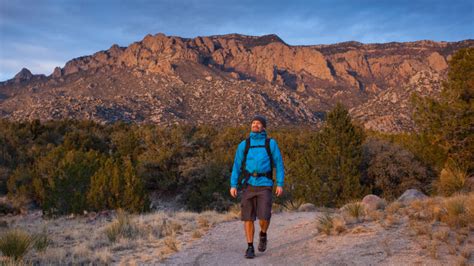
Canada’s alert doesn’t stop at civil unrest and crime. It extends to encompass broad security themes including potential terrorism threats and natural hazards associated with outdoor adventure tourism. Those hiking, camping, or flying in and out of major hubs are advised to familiarize themselves with evacuation procedures, weather alerts, and emergency contact information.
This holistic approach reflects an increasingly interconnected world where risks cannot be confined to one domain. From urban protests to high-altitude wilderness excursions, travelers are now expected to bring a heightened level of self-reliance and digital connectivity to ensure safety.
Recommendations for Travelers: Mitigating Personal Risk
While the alerts may appear daunting, proper planning and vigilance can mitigate much of the risk. Travelers to the affected U.S. regions should:
- Stay updated through official travel websites like travel.gc.ca and travel.state.gov
- Download local emergency alert apps and subscribe to SMS alerts where available
- Maintain flexible itineraries to accommodate sudden changes like curfews or flight delays
- Avoid high-crime neighborhoods, especially at night
- Secure valuables in hotel safes and use discreet travel wallets
- Keep emergency contacts, embassy numbers, and insurance details readily accessible
Conclusion: Awareness Over Alarmism
Although the travel alerts from the U.S. and Canada are not meant to incite panic, they serve as a critical reminder of the evolving risks associated with travel in parts of the American Southwest. Los Angeles’s ongoing protests, the criminal challenges near the border, and surging urban crime underscore a shifting environment that travelers must take seriously.
By remaining informed, adhering to local laws, and exercising heightened awareness, tourists can still enjoy what these diverse states have to offer—without compromising personal safety. As the travel landscape continues to evolve, proactive vigilance remains the most effective travel companion.