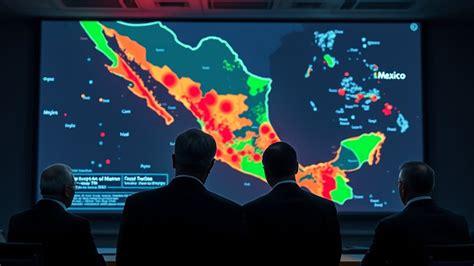
The U.S. government has recently issued urgent travel advisory updates for several countries, including Brazil, India, Mexico, Bolivia, and Colombia, in response to escalating safety concerns for American travelers. These advisories underscore critical crime risks such as violent incidents involving robberies, carjackings, and kidnappings, particularly concentrated in high-crime urban areas and impoverished neighborhoods. Moreover, the advisories highlight dangerous border regions, characterized by increasing criminal activities and geopolitical tensions that pose significant threats to visitors.
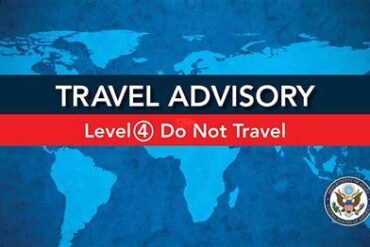
Travelers are strongly advised to exercise increased caution in these areas, given the local instability fueled by organized crime and unsafe conditions. The U.S. government’s travel advisory system employs a four-tier structure, ranging from “exercise normal precautions”—the lowest risk—to “do not travel,” which denotes the highest risk category. While countries like Switzerland and Canada fall under the lowest advisory level, others facing conflict or elevated crime rates find themselves placed under stricter advisories.
Certain nations are generally considered safe but contain specific regions where heightened caution is necessary due to local conditions. For example, border areas in India near Pakistan and some Mexican states grappling with drug trafficking are classified under the highest advisory levels due to ongoing violence and instability.
Brazil: A Tourist Destination with Hidden Dangers
Brazil, known for its vibrant culture and stunning landscapes, has undergone changes in its U.S. travel advisory status. Historically rated under the “exercise increased caution” category, Brazil’s updated advisory now presents more granular details about crime and safety risks across the nation, particularly in select cities and regions. Major urban centers, especially those with high tourist traffic, are notorious for violent crimes, including armed robberies and kidnappings, often perpetrated by organized gangs linked to the illegal drug trade. Cities like Rio de Janeiro have reported a troubling increase in assaults, making it imperative for tourists to remain vigilant.
Tourists who are unfamiliar with local conditions are particularly vulnerable to various forms of attack, including situations where sedatives or drugs may be surreptitiously added to their drinks. Such incidents can occur at any hour, further underscoring the necessity for constant alertness. Additionally, the advisory notes that satellite cities surrounding Brasilia—such as Ceilandia, Santa Maria, São Sebastião, and Paranoa—experience significant levels of organized crime, heightening the risks for travelers.
Those traveling to Brazil should also avoid the country’s border areas, including regions adjacent to neighboring countries like Bolivia, Colombia, and Venezuela. Travelers in government positions must obtain prior authorization to venture within 100 miles of these borders, while independent tourists are urged to exercise extreme caution due to the high concentration of criminal activity in these regions. Despite these risks, many popular tourist destinations in Brazil continue to be safe and welcoming. Foz do Iguaçu, famed for the breathtaking Iguaçu Falls, and the Pantanal National Park, a UNESCO World Heritage site, remain secure options for visitors. However, the U.S. State Department emphasizes the need for extreme caution when visiting informal housing developments, especially favelas, even if on guided tours. These areas, often controlled by gangs and marked by poverty, pose substantial risks for unwary visitors.
India: Navigating the Complex Landscape
In India, the travel advisory has been influenced by regional disparities in safety and security. While many parts of the country are relatively safe, certain areas near the borders with Pakistan and China have been categorized under higher risk levels due to ongoing geopolitical tensions and sporadic violence. Travelers are encouraged to stay informed about local conditions and to seek out reliable sources of information prior to their trips. Popular tourist destinations such as Jaipur, Delhi, and Goa remain largely safe, but travelers should remain cautious in less frequented areas where crime rates may be higher.
Mexico: A Nation of Contrasts
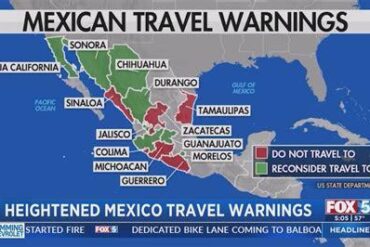
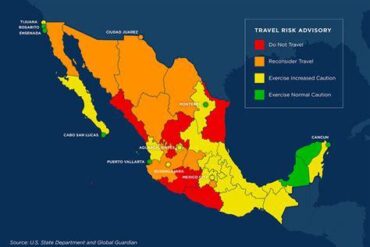
Similarly, Mexico presents a complex landscape for travelers. While regions such as Cancun and Playa del Carmen are popular tourist hotspots with robust security measures in place, many states, particularly those bordering the U.S., face severe challenges related to drug trafficking and organized crime. Areas like Tamaulipas, Sinaloa, and Chihuahua are especially hazardous, and U.S. citizens are strongly advised against traveling to these regions. The stark contrast between safe tourist areas and dangerous territories necessitates diligent research and preparation.
Bolivia and Colombia: Rising Concerns
In Bolivia, the U.S. advisory warns of potential civil unrest and political instability, particularly in regions where protests and strikes may disrupt daily life. Travelers are urged to remain aware of local news and to avoid large gatherings that could escalate into violence. As for Colombia, significant progress has been made in improving safety in major cities like Bogotá and Medellín, yet caution is still advised due to the lingering presence of organized crime in certain rural areas. Tourists are reminded to stay within well-populated zones and to avoid venturing into less secure regions, especially at night.
Staying Safe While Traveling
As the travel advisories for Brazil, India, Mexico, Bolivia, Colombia, and other countries highlight, vigilance is essential when traveling abroad. Here are some crucial safety tips for American travelers:
- Stay Informed: Regularly check the U.S. State Department’s travel advisory website for updates on your destination.
- Avoid High-Risk Areas: Steer clear of neighborhoods known for high crime rates and areas with a significant presence of organized crime.
- Be Cautious with Personal Belongings: Keep valuables secured and out of sight, especially in crowded places.
- Travel in Groups: Whenever possible, travel with companions and avoid solitary excursions, especially at night.
- Use Reliable Transportation: Opt for reputable taxi services or rideshare apps rather than hailing cabs on the street.
The U.S. has issued urgent travel advisory updates for Brazil, India, Mexico, Bolivia, Colombia, and other nations, highlighting critical crime risks, dangerous border areas, and regional hazards that pose significant threats to American travelers. While many parts of these countries offer safe and enjoyable experiences, others present considerable risks, making it essential for tourists to stay informed and adhere to the U.S. government’s travel guidance.