Triple-digit temperatures are gripping Nevada, along with California, Arizona, New Orleans, and Alaska, as an unprecedented heatwave sweeps across these regions. The National Weather Service (NWS) has sounded the alarm with severe heat warnings, highlighting a dangerous combination of extreme heat and dry conditions. From the arid expanses of Death Valley to the bustling streets of Las Vegas, the message is clear: take immediate precautions, and that includes rethinking your coffee and caffeine intake.
The Unrelenting Heatwave: An Early Assault on Summer
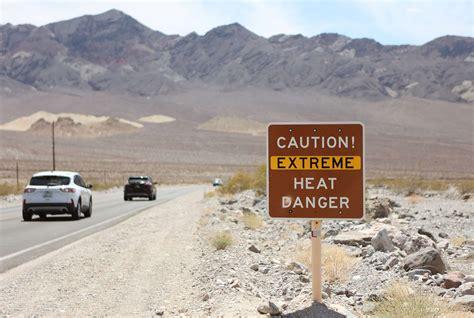
What makes this heatwave particularly alarming is the intensity and early onset. Traditionally, the peak of heatwaves in these states arrives later in the summer, yet June 2025 is already bringing temperatures that shatter records. In places like Lake Mead, residents and visitors are facing searing highs between 107°F and 112°F, while parts of south-central Arizona are bracing for temperatures soaring beyond 115°F. In Death Valley, forecasts predict an unthinkable 120°F, creating conditions that far exceed typical June weather patterns.
This level of heat poses risks far beyond mere discomfort. Health professionals warn that such prolonged exposure to high temperatures can overwhelm even healthy individuals. Vulnerable populations — including young children, seniors, and those with chronic illnesses — are at especially high risk. The warnings emphasize staying indoors during peak heat hours, avoiding strenuous outdoor activities, and most critically, maintaining proper hydration.
Why Coffee and Caffeine Are Dangerous in Extreme Heat
Among the most urgent recommendations from health experts is the call to avoid coffee and caffeinated beverages. Coffee’s popularity, especially as a morning ritual or mid-day pick-me-up, makes this advice particularly significant. But there’s a solid scientific basis behind it.
Caffeine, a key component in coffee and many energy drinks, functions as a diuretic. This means it promotes fluid loss through increased urination — a dangerous effect when the body is already losing fluids rapidly through sweat. When external temperatures skyrocket, the body works overtime to cool itself via perspiration. Add coffee to the mix, and you intensify the risk of dehydration, making it harder for your body to regulate temperature and avoid heat-related illnesses.
The NWS and public health officials stress the importance of hydration — not just any hydration, but hydration that genuinely replenishes what the body loses. While coffee might feel comforting, especially in an air-conditioned space, it could unwittingly set the stage for heat exhaustion or, in severe cases, heatstroke.

The Health Consequences of Heat and Dehydration
The danger of extreme heat lies in its capacity to trigger rapid health deterioration. As temperatures climb, the risk of heat cramps, heat exhaustion, and heatstroke rises dramatically. Heat cramps, often the first warning sign, result from salt depletion due to excessive sweating. Without intervention — namely, rehydration with water or electrolyte solutions — these can progress to heat exhaustion, marked by dizziness, heavy sweating, nausea, and weakness.
Should the condition escalate further, heatstroke emerges, representing a life-threatening emergency. At this stage, the body’s temperature regulation fails entirely, leading to confusion, loss of consciousness, and potential organ damage. The NWS reports that these severe outcomes are increasingly common during such intense heatwaves, particularly when individuals ignore hydration guidelines or continue consuming dehydrating substances like caffeine.
Adding to the peril is the increased risk of wildfires, as parched landscapes across Nevada, California, and Arizona become tinderboxes. The combination of dry vegetation, low humidity, and high temperatures means any spark could ignite catastrophic blazes, threatening both natural habitats and human settlements.
Safe Hydration Strategies During Extreme Heat
In the face of these dangers, it’s crucial to adopt hydration-focused habits. Experts recommend prioritizing beverages that replace fluids and electrolytes without promoting further loss. Water remains the gold standard, but in extreme conditions, supplementing with electrolyte-rich drinks can offer added protection. Here are key hydration strategies:
- Opt for water and electrolyte solutions over caffeinated or alcoholic drinks.
- Infuse water with fruits or herbs like lemon, cucumber, or mint to encourage more frequent consumption without compromising hydration.
- Consume cool or iced herbal teas, avoiding those that contain caffeine.
- Drink small amounts frequently, rather than large amounts infrequently, to help the body absorb fluids effectively.
In addition to fluid intake, staying indoors during peak heat hours (typically between noon and 4 p.m.), wearing light and breathable clothing, and using air conditioning or fans can significantly reduce heat stress.

Coffee Alternatives That Keep You Cool and Hydrated
For those who rely on the ritual of a morning coffee, the shift away from caffeine during a heatwave can feel daunting. However, alternatives abound that offer both refreshment and safety. Herbal teas — particularly those served iced — can provide a soothing start to the day without the diuretic effects of caffeine. Popular options include peppermint, chamomile, and rooibos, all of which can be chilled for extra cooling power.
Cold water infusions, featuring slices of citrus, berries, or fresh herbs, not only taste delicious but also encourage regular sipping, helping maintain hydration throughout the day. For those craving the texture or experience of a café beverage, consider smoothies made from hydrating fruits like watermelon, cantaloupe, or strawberries — nature’s sweet, water-rich treats.
By replacing coffee with these alternatives during periods of extreme heat, you’re not just reducing risk — you’re actively helping your body cope with the environmental stress imposed by the relentless sun.
Broader Implications: Heatwave Preparedness in a Warming World
This historic heatwave underscores a stark reality: extreme weather events are no longer rare anomalies but are becoming part of our new normal. As climate change accelerates, heatwaves like the one affecting Nevada, California, Arizona, New Orleans, and Alaska are expected to increase in both frequency and severity.
Public health agencies, city planners, and emergency responders are grappling with how to protect populations during these ever more common crises. Personal choices, like forgoing coffee during heat advisories, play a small but crucial role in larger heat resilience strategies.
Communities are urged to expand cooling centers, provide public education campaigns on hydration, and implement early-warning systems that help residents prepare in advance. Meanwhile, individuals can bolster their safety by staying informed, heeding advisories, and adopting heat-smart habits — including reconsidering what’s in their cup when temperatures rise.

Final Thoughts: Make Smart Choices to Weather the Heat
As the West and parts of the South endure dangerous heat levels, the advice is clear: prioritize your health and well-being by making informed, intentional choices. Coffee and other caffeinated beverages may be staples of daily life, but during a heatwave, they represent a hidden hazard. By switching to hydrating alternatives, staying indoors during the hottest hours, and listening to your body’s needs, you can navigate the challenges of extreme heat safely.
This heatwave serves as a stark reminder of how fragile our comfort zones can be in the face of nature’s extremes. The good news is that with preparation, vigilance, and sensible habits, we can protect ourselves and those around us — even when the mercury soars.