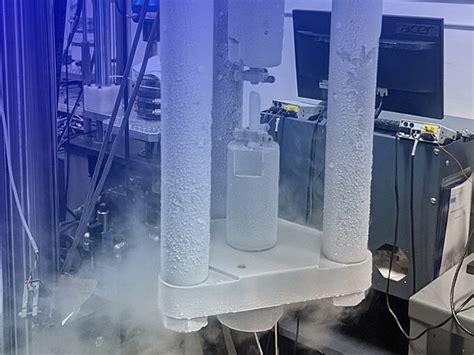
Cryogenic testing has become an indispensable process in modern aerospace, space exploration, hydrogen energy systems, and advanced materials engineering. As global industries push the boundaries of performance and sustainability—driven by goals such as Net Zero by 2050—the ability to validate materials under extreme cold conditions, sometimes as low as -196°C / -321°F, is now essential. This article delves into the significance, methodologies, and real-world applications of cryogenic testing, with a focus on its pivotal role in civil and space technologies.
The Rising Importance of Cryogenic Testing in Engineering
As next-generation materials are developed to support space travel, hydrogen-fueled aircraft, and sub-zero fluid containment, their reliability in ultra-cold environments must be meticulously validated. Cryogenic testing enables this validation by simulating the harshest possible temperature conditions materials may encounter—particularly in vacuum or high-altitude environments where standard testing is insufficient.
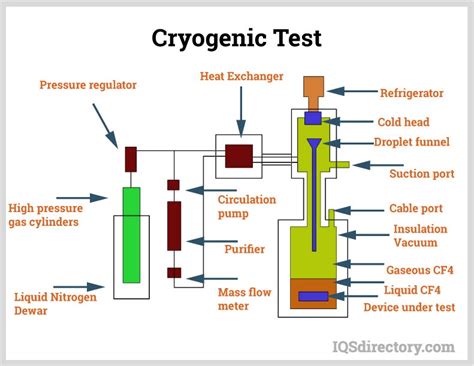
In aerospace engineering, for example, composite structures or titanium-based alloys might exhibit acceptable mechanical characteristics at room temperature, but show embrittlement or microfracture tendencies at cryogenic levels. Similarly, in hydrogen storage tanks used in zero-emission aircraft, the cryogenic liquefaction of hydrogen demands container materials that can maintain integrity under continuous exposure to deep cold.
Understanding the Cryogenic Environment and Its Effects on Materials
The cryogenic range begins around -150°C (-238°F) and extends down to absolute zero (-273.15°C / -459.67°F). Within this domain, molecular behavior, grain structures, and fracture mechanisms behave in fundamentally different ways than at ambient conditions. Materials typically experience:
- Reduced ductility, increasing the risk of brittle failure
- Altered phase transitions in metals and polymers
- Shifts in thermal conductivity and expansion coefficients
- Microstructural transformations under repeated thermal cycling
Due to these factors, cryogenic testing goes beyond basic tensile or fatigue tests. It requires a specialized understanding of material science, thermodynamic response, and microfracture analysis to accurately interpret the outcomes.
Mechanical Testing Capabilities at Cryogenic Levels
At cryogenic temperatures, mechanical property data becomes vital for design assurance. The primary methods utilized include:
- Tensile testing: Assessing the ability of materials to stretch without failure under extremely low temperatures.
- Low Cycle Fatigue (LCF) and High Cycle Fatigue (HCF): Evaluating material endurance under cyclic loading, which simulates operational stresses such as engine startup cycles or launch vibrations.
- Fracture toughness testing: Determining a material’s resistance to crack propagation in brittle states.
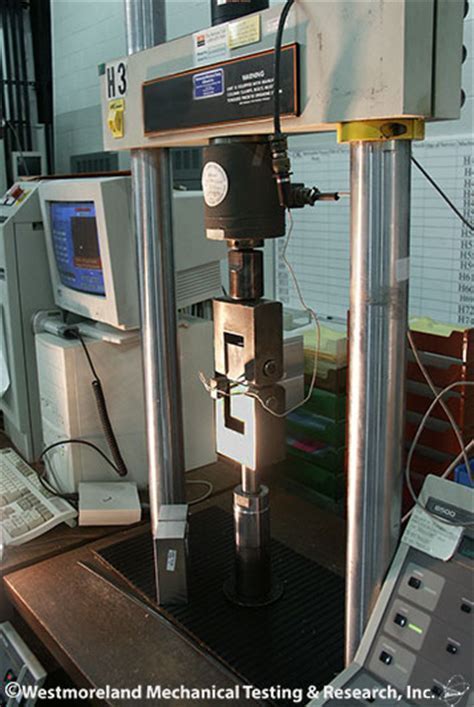
Each test simulates the service conditions specific to the industry application—whether it’s a reusable rocket’s structural ring or a cryo-piping assembly for liquified natural gas (LNG) transport. Cryogenic characterization provides design engineers with trustworthy safety margins for their components.
Challenges in Data Scarcity and Method Development
One of the core limitations facing engineers and material scientists today is the lack of cryogenic performance data. Many advanced alloys and composites, including those produced via additive manufacturing, remain inadequately understood under extreme temperature ranges. Off-the-shelf standards, such as ASTM or ISO, may not fully apply to novel materials or space-grade alloys.
In these cases, test laboratories must go beyond traditional roles. At Lucideon, for instance, material experts collaborate with manufacturers to develop custom test protocols that align precisely with end-use conditions. This partnership model allows for test results to be integrated into broader simulation environments, enhancing predictive modeling accuracy.
Cryogenic Testing for the Space Sector
The space industry, now rapidly expanding due to private launch providers like SpaceX, Blue Origin, and Rocket Lab, has ushered in an era of material innovation. These companies often rely on materials like Inconel, carbon fiber composites, or ceramic matrix composites (CMCs)—all of which must maintain structural integrity during launch, orbital operation, and reentry.
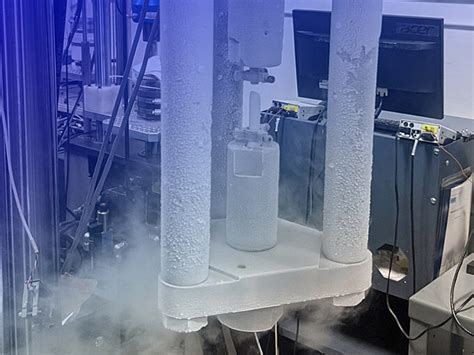
Cryogenic testing validates such materials against thermal fatigue, low-temperature creep, and micrometeoroid impact. Testing simulates not just the temperature extremes of space, but also transitional thermal cycling—where a component might shift between +100°C sunlight exposure and -150°C shadow cooling in seconds.
The Role of Cryogenic Testing in Hydrogen Fuel Systems
With the aviation industry investing heavily in liquid hydrogen (LH2) as a zero-emission fuel, cryogenic testing is essential for tanks, pipelines, pumps, and valves. Unlike conventional fossil fuels, hydrogen liquefies at -253°C (-423°F), requiring materials that resist hydrogen embrittlement, frost-induced cracking, and permeability degradation over time.
Material systems such as aluminum-lithium alloys, multi-layer insulation foils, and composite overwrapped pressure vessels (COPVs) undergo extensive cryogenic testing to verify their viability. In addition, such systems are assessed for fatigue damage, mechanical memory effects, and catastrophic failure thresholds.
Real-Time Data Interpretation: Beyond Just Numbers
A common industry shortfall is the passive handoff of raw test data without interpretation. For engineers responsible for mission-critical decisions, tabulated results are insufficient. True value lies in expert interpretation—an analysis that correlates material behavior with system-level risks, regulatory standards, and long-term performance.
This is why forward-thinking testing facilities embed material scientists directly into the development lifecycle, offering:
- Dynamic updates during testing campaigns
- Collaborative review sessions to adapt test variables
- Comprehensive reporting that includes actionable insights
This model ensures that each test program is not merely a compliance exercise, but a strategic input into product innovation.
Applications in Healthcare and Oil & Gas
Outside of aerospace, cryogenic testing is proving vital in industries such as biomedical engineering and deep-sea oil exploration. In healthcare, cryogenics enables secure storage of vaccines, stem cells, and transplant organs. In oil & gas, cryogenic valves, seals, and conduits ensure safe transport of LNG under sub-zero conditions.
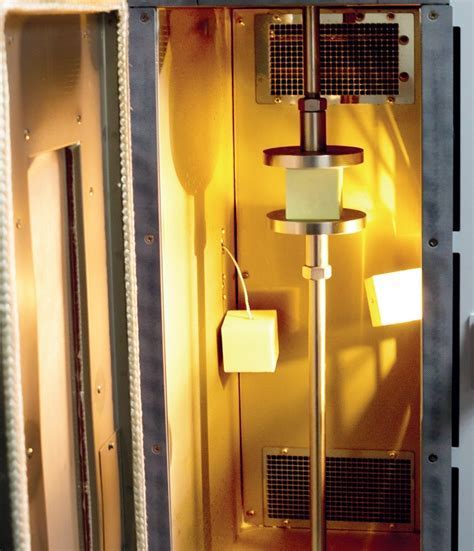
Material selection in these domains must address low-temperature mechanical stability, biocompatibility, and durability under freeze-thaw cycles. Cryogenic evaluation is instrumental in both product development and regulatory validation.
Conclusion: A Custom Approach to Cryogenic Evaluation
The need for advanced cryogenic testing will only increase as industries confront the dual pressures of climate targets and technological ambition. Whether for space vehicles, hydrogen engines, or life-preserving systems, materials must be proven under the coldest of extremes.
Standardized methods offer a starting point—but they are rarely sufficient. A custom testing approach, guided by application-specific insights and expert interpretation, is key to unlocking true material performance.
Cryogenic testing is not simply a laboratory task. It is an engineering imperative, bridging the gap between design dreams and operational reality.