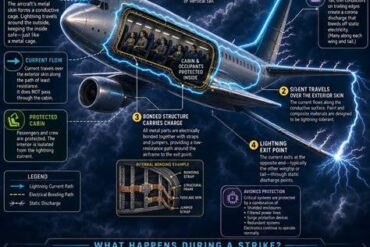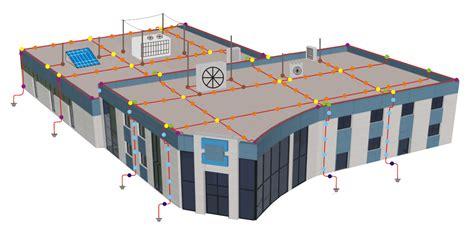
Lightning Protection System (LPS) testing is a non-negotiable safeguard for industrial infrastructure in the modern age of increasing environmental volatility. With lightning strikes surpassing 2.1 billion incidents globally each year, the threat to tall structures and sensitive electronics is more than theoretical—it is a statistical certainty. In regions prone to frequent storms, such as the U.S. Midwest or the North Sea coastlines of Europe, industrial wind farms, radar installations, oil platforms, and communication towers remain at the forefront of this threat. A single bolt can unleash 300 million volts and over 30,000 amps, unleashing thermal and electromagnetic stress capable of frying circuitry, igniting fires, and destroying physical assets.
As a result, regular and methodical testing of LPS becomes imperative. Not only does this maintain operational continuity and asset integrity, but it also ensures compliance with international standards like IEC 62305, NFPA 780, and UL 96A—each mandating rigorous testing schedules for installations across varying risk profiles.
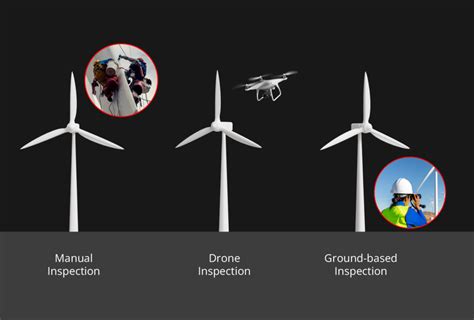
Why Industrial Sites Cannot Afford to Neglect LPS Testing
The consequences of neglecting LPS inspections are both financial and reputational. In 2023 alone, damages attributed to lightning strikes in North America and Europe exceeded $76 billion, with wind turbines accounting for over 60% of blade-related losses. A striking case involved SWF2, an Australian wind farm operator fined $1 million after a lightning-induced blackout impacted 850,000 residents due to failed LPS installation.
Tall, conductive structures and flammable materials are especially vulnerable. Facilities that fall under mandatory LPS protection include:
- Power substations and distribution facilities
- Wind turbines and solar farms
- Chemical storage tanks
- Oil drilling and pumping stations
- Airport and telecom towers
- Military and radar installations
Without LPS testing, these sites risk catastrophic outages, regulatory penalties, and even life-threatening failures.
Standardized Testing Frequencies: IEC 62305, NFPA 780 & UL 96A
To enforce system reliability, global standards define inspection intervals based on asset risk, LPS complexity, and environmental conditions:
IEC 62305 guidelines include:
- LPL 1 & 2 (high-risk sites): Visual inspections annually, complete testing every 2 years
- LPL 3 & 4: Visual inspection every 2 years, complete testing every 4 years
- High-risk flammable assets: Inspections as frequently as every 6 months
NFPA 780 recommends:
- Annual visual inspections
- 6-month inspections in harsh weather zones
- Complete inspections every 3–5 years, or 1–3 years for critical systems
- Earth resistance testing during extreme seasonal changes
UL 96A: Post-installation testing and mandatory reinspection every 5 years for certification renewal.
Methods of LPS Testing: Key Techniques for Safety Validation
Four main methods dominate LPS testing frameworks, each with specific roles in identifying and mitigating system vulnerabilities.
Visual LPS Inspection: First Line of Defense
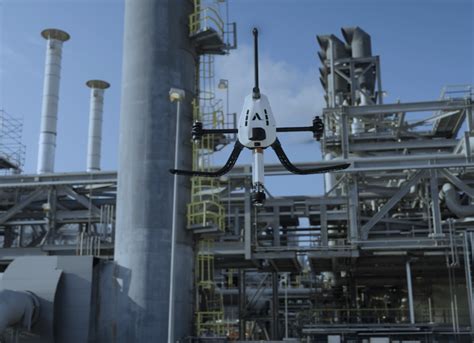
Visual inspections, while basic, provide foundational insights into corrosion, misalignment, and structural damage. Using tools like cherry pickers or advanced drones such as the Voliro T, inspectors can access elevated components with 4K 12 MP cameras, capturing critical angles and conditions.
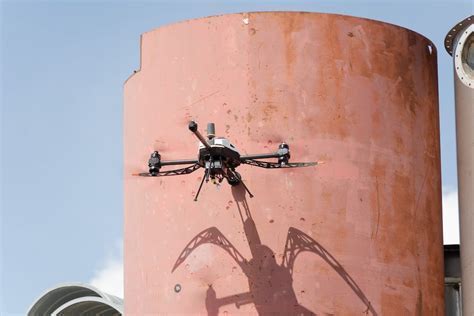
An effective visual inspection confirms:
- Correct assembly and regulatory compliance
- Absence of burrs, breaks, or discoloration
- Firm attachment of all conductors and terminals
- Integrity of grounding connections
However, this method alone cannot assess system continuity or resistance, necessitating further testing.
Continuity Testing: Detecting Path Disruptions
Continuity testing ensures electrical conductivity across LPS components, identifying discontinuities or loose bonds that could interrupt the flow of lightning current. Using digital multimeters or low-resistance ohmmeters (LROs), inspectors trace paths from air terminals through down conductors to ground electrodes.
Modern tools like Voliro T with LPS payload streamline this process. Featuring the VG-BAT-150 Micro-Ohmmeter, the drone enables:
- Resistance measurement as low as 0.001 Ω
- In-situ testing on towers up to 250 meters high
- Continuity assessment in under 30 minutes without shutdowns
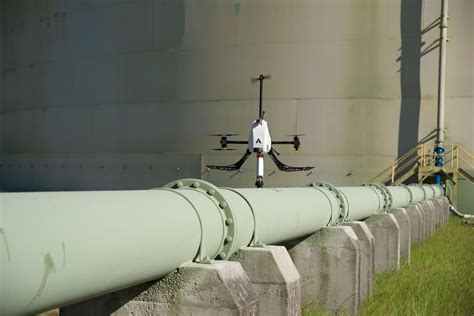
Case in point: In a collaborative project, Skyspecs used Voliro to inspect 210 wind turbines across the U.S. and Germany in just two weeks—achieving throughput 10x faster than manual testing.
Surge Protection Device (SPD) Testing: Preventing Overvoltage Surges
SPDs act as shock absorbers, diverting overvoltages caused by direct or indirect strikes. Per NFPA 70, these components must be installed at all power entry points and remain accessible for periodic validation.
SPD inspections include checks for:
- Conductor bonding and cable shielding
- Voltage clamping function and leakage currents
- Circuit continuity between SPD and earth
- Peak discharge current capacity
Technicians use digital ohmmeters or dedicated SPD testers to assess clamping thresholds and detect early signs of failure.
For flammable or mission-critical assets, inspections should occur every 7 months, especially after lightning incidents.
Ground Resistance Testing: Ensuring Safe Dispersal
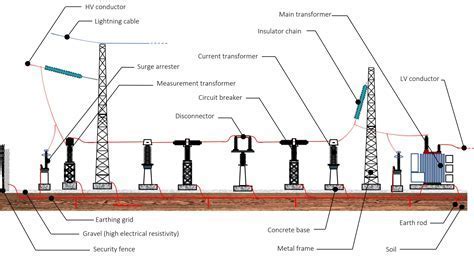
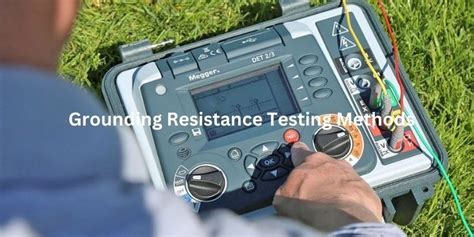
Ground resistance testing measures the LPS’s ability to redirect current safely into the soil. Ideally, resistance should not exceed 5 ohms.
Four methods dominate this domain:
- Soil Resistivity Test: Assesses ground suitability for electrode installation
- Fall-of-Potential Test: Isolates electrode to gauge discharge performance
- Selective Testing: Measures active resistance without disconnection
- Stakeless Testing: Uses current clamps, allowing non-invasive measurements
Voliro drones equipped with 0.30 A current measurement and 0.001–1000 ohms resistance range are redefining ground testing safety, especially post-strike when conditions remain hazardous.
Streamlining LPS Testing with Autonomous Aerial Robotics
Voliro’s drone-based platform transforms how we inspect LPS systems. With AI-assisted autonomy, 360° maneuverability, and plug-and-play electrical test payloads, the platform removes guesswork and human exposure from high-risk zones.
Key benefits include:
- Inspection of 18 turbines per day
- Up to 90% reduction in testing time
- Seamless export of data to industry-standard analysis tools
- Three-day pilot training with every subscription
With increasing pressure from regulators and insurers to demonstrate system integrity, Voliro enables operators to maintain LPS compliance without operational disruptions.
Conclusion: Protecting the Infrastructure of Tomorrow
Lightning Protection System testing is more than regulatory compliance—it is a strategic safeguard that ensures uptime, mitigates risk, and defends critical infrastructure from the elemental force of nature. In the era of automation and environmental volatility, integrating drone-assisted, AI-enhanced testing protocols is no longer futuristic—it is essential. Whether protecting wind farms or substations, the key to resilience lies in accurate, frequent, and data-rich testing, executed with precision tools like Voliro.