The F-16 Fighting Falcon remains one of the most versatile and widely used fighter jets in the world. A crucial component of its design is the canopy, which provides pilots with unparalleled visibility while ensuring structural integrity under extreme flight conditions. However, recent findings regarding structural weaknesses in the canopy sill longerons (CSL) have raised concerns about the long-term durability and safety of aging F-16 airframes. This article provides a detailed analysis of the F-16 canopy, including its design, material composition, recent structural challenges, and implications for global operators.
Structural Integrity Issues with Canopy Sill Longerons (CSL)
Crack Discovery and Potential Risks
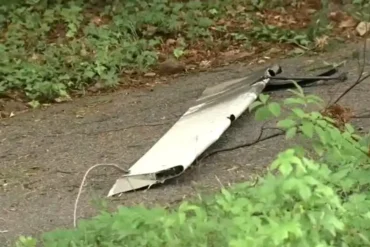
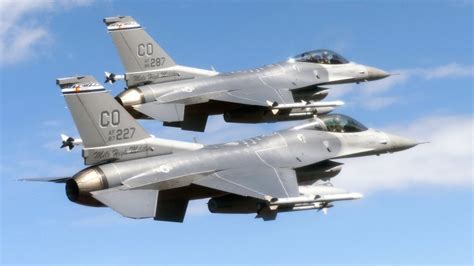
In 2024, the U.S. Air National Guard discovered cracks in the canopy sill longerons (CSL) of several F-16 aircraft. The CSL serves as the primary structural support for the cockpit, preventing deformation and maintaining the aircraft’s aerodynamic integrity during high-G maneuvers. If these cracks are left unaddressed, the consequences could be catastrophic, potentially leading to cockpit detachment mid-flight.
Extent of the Issue
Reports from the Colorado Air National Guard’s 140th Maintenance Group indicate that as many as 90 F-16s may be affected. The oldest airframes, some of which have been in service for over 50 years, are particularly vulnerable due to the repeated exposure to high-G forces (up to 9G) and supersonic speeds. These operational stresses gradually weaken the CSL, making regular inspections and preventive maintenance essential.
Innovative Repair Solutions
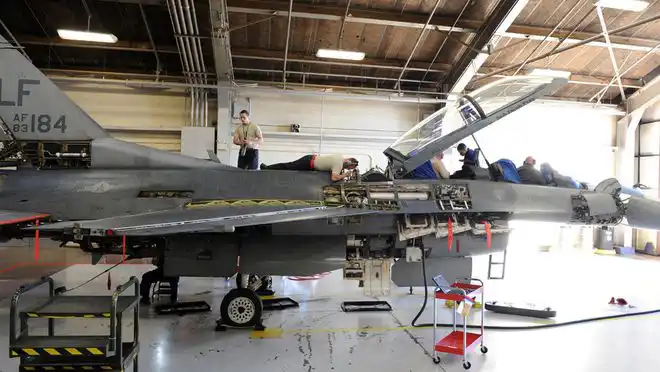
To mitigate the risks without grounding the fleet for extended periods, maintenance teams have developed localized repair techniques. These methods allow structural reinforcements without requiring full disassembly of the aircraft. Such rapid repair techniques ensure that affected jets can return to service faster, minimizing downtime and preserving combat readiness.
Design and Functional Features of the F-16 Canopy
Pilot Visibility and Ergonomics
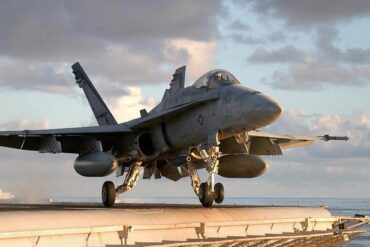
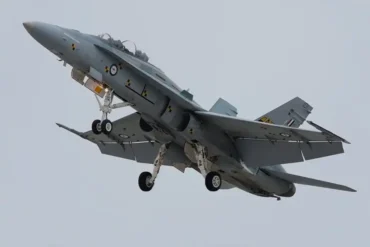
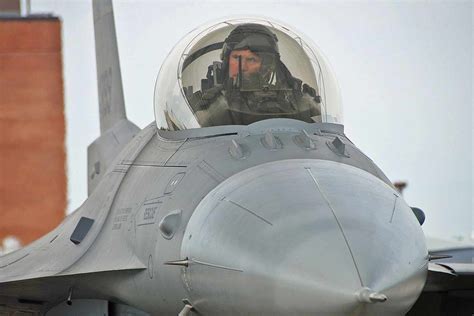
One of the defining features of the F-16 canopy is its bubble-shaped, frameless design, which provides a 360-degree field of view. This configuration is particularly advantageous in air-to-air combat, where superior visibility can mean the difference between life and death. Unlike older fighter designs that feature frame obstructions, the F-16’s canopy maximizes pilot situational awareness, enabling superior dogfighting capabilities.
Material Composition and Structural Benefits
The F-16 canopy is constructed from lightweight yet highly durable materials, specifically polycarbonate with advanced coating technologies to withstand high aerodynamic stress. However, despite these design advantages, the aging airframes and continuous exposure to extreme flight conditions have revealed vulnerabilities, particularly in structural components such as the CSL.
Operational Implications of Canopy Structural Issues
Safety Concerns in High-Intensity Missions
The presence of cracks in the canopy sill longerons represents a significant risk, particularly in high-intensity combat scenarios. The potential for cockpit failure mid-flight underscores the importance of continuous structural assessments. Given the reliance on the F-16 for air superiority and multirole missions, these vulnerabilities could compromise mission effectiveness.
Maintenance Challenges and Trade-Offs
The F-16 is known for its modular design, which allows for frequent upgrades and retrofits. Modern enhancements, such as the addition of Infrared Search and Track (IRST) pods, have improved threat detection capabilities. However, structural repairs remain a resource-intensive process, often requiring significant investments in both time and materials. Balancing mission availability with necessary maintenance efforts presents an ongoing challenge for operators worldwide.
The Global Impact of Canopy Structural Concerns
F-16’s Role in International Defense Forces
With over 4,400 F-16s in operation across more than 20 countries, structural integrity concerns extend beyond the U.S. Air Force. Many allied nations continue to rely on F-16 variants for frontline defense. Any widespread structural issue with the canopy or longerons necessitates global attention and cooperation to ensure continued operational safety.
F-16s in Ukraine and Combat Environments
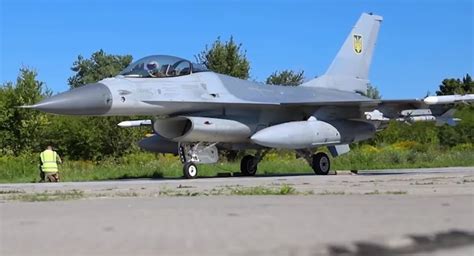
Recent F-16 acquisitions by Ukraine highlight additional challenges. Operating in contested airspace with limited maintenance infrastructure, Ukrainian forces face heightened risks. Any structural flaws, especially in combat conditions, could increase aircraft attrition rates, affecting their ability to maintain air superiority.
Future Longevity and Replacement Considerations
As aging F-16 fleets experience increased wear and tear, many operators are transitioning to newer platforms like the F-35 Lightning II. However, given the sheer number of F-16s still in service, modernization efforts and structural reinforcement programs remain critical for sustaining operational viability.
Conclusion
The F-16 canopy, designed for optimal visibility and structural resilience, is now facing new challenges due to aging airframes and high-G stress factors. The discovery of cracks in the canopy sill longerons has brought renewed focus to structural integrity and maintenance strategies. With innovative repair solutions, the aircraft’s service life can be extended, but ongoing assessments and upgrades will be necessary to maintain safety, readiness, and effectiveness in combat and operational roles.
Frequently Asked Questions (FAQ)
1. Why is the F-16’s canopy frameless?
The frameless bubble canopy provides unobstructed 360-degree visibility, enhancing the pilot’s ability to spot and track enemy aircraft in dogfighting situations. This feature significantly improves situational awareness and reaction time in combat.
2. How are the cracks in the canopy sill longerons being repaired?
Maintenance teams have developed localized repair techniques that reinforce the CSL without requiring full aircraft disassembly. These innovative repair methods allow for faster turnaround times and reduce operational downtime.
3. How does the structural issue affect F-16 operations?
Cracks in the canopy sill longerons could lead to cockpit failure, especially during high-G maneuvers. This presents serious safety risks and may require grounding affected aircraft for repairs, impacting overall mission availability.
The F-16 canopy remains a crucial element of the aircraft’s design, and ongoing structural assessments and repairs will ensure its continued reliability and combat effectiveness for years to come.