The F-22 Raptor, as one of the most advanced fifth-generation fighter jets, is a marvel of engineering, particularly in its canopy design. The canopy plays a crucial role in enhancing stealth, pilot safety, and operational effectiveness. Below, we examine the key aspects of its construction, materials, and strategic advantages.
Bubble-Shaped Design for Enhanced Visibility
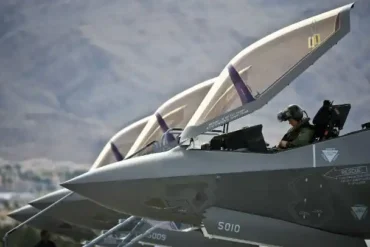
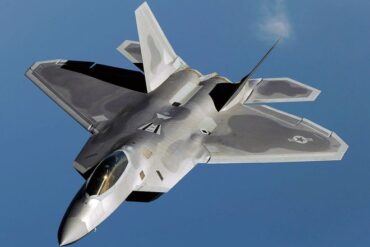
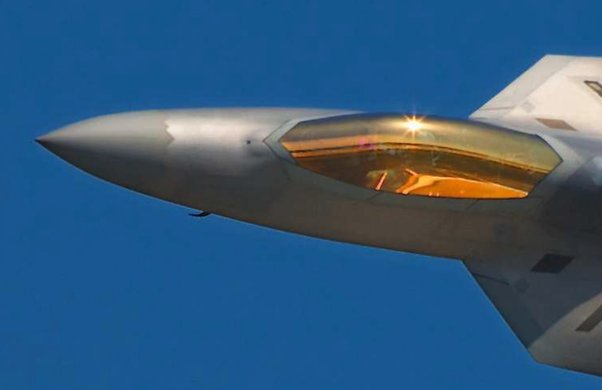
The F-22 Raptor’s canopy features a bubble-shaped structure that extends smoothly from the forward fuselage. This design significantly improves pilot visibility, offering an unobstructed 360-degree field of view.
In combat, this advantage allows pilots to quickly locate enemy aircraft, track multiple threats, and maintain situational awareness in high-speed maneuvers. The aerodynamically optimized shape of the canopy also contributes to reducing aerodynamic drag, ensuring smoother airflow over the fuselage.
Stealth Optimization: Radar-Absorbing Coatings and Design
To maintain low observability (LO), the F-22 canopy is coated with an Indium Tin Oxide (ITO) layer. This metallic oxide film serves two critical purposes:
- Radar Wave Reflection – The ITO coating prevents radar waves from penetrating into the cockpit, which could otherwise reflect off internal avionics and pilot gear, increasing the radar cross-section (RCS).
- Optical Transparency – Despite being a metal-infused layer, the coating maintains high light transmittance, ensuring the pilot’s vision remains unobstructed while providing radar shielding.
Additionally, the edges of the canopy-to-fuselage interface feature a sawtooth design, which helps scatter radar waves rather than reflecting them directly back to enemy radar receivers.
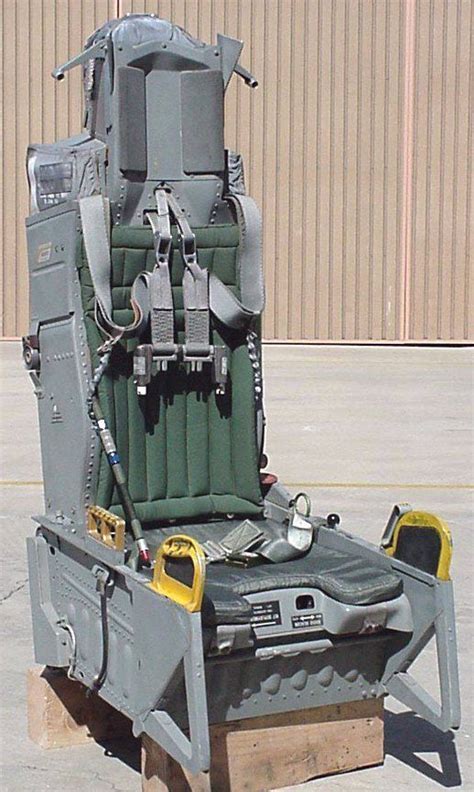
Emergency Ejection System: Integration with ACES II Seat
The F-22’s canopy is directly linked to the ACES II ejection seat system, ensuring a seamless emergency ejection process. This involves:
- Detonation Cord Mechanism – Upon pilot activation, an explosive detonation cord embedded in the canopy frame fractures the canopy, ensuring a clear ejection path.
- Automated Sequential Ejection – The canopy is forcefully removed milliseconds before the ejection seat initiates, preventing potential mid-air collisions between the pilot and the canopy.
- Zero-Zero Ejection Considerations – The F-22 supports a zero-altitude, zero-speed ejection, but under certain wind conditions, canopy trajectory can become unpredictable, posing a potential hazard.
Polycarbonate Composite Structure: Strength and Durability
The canopy is constructed from high-strength polycarbonate composite materials, offering a balance between lightweight properties and structural durability. Key attributes include:
- High Impact Resistance – Protects against bird strikes and high-speed debris.
- Aerodynamic Load Tolerance – Capable of withstanding extreme pressure fluctuations at supersonic speeds.
- Thermal Resistance – Functions efficiently across a broad temperature range, ensuring material integrity from freezing conditions to extreme heat.
Regular maintenance is required to prevent surface scratches that could degrade both optical clarity and stealth performance by disrupting the ITO coating.
Future Upgrades: Integrating Advanced Sensors
As part of the US Air Force’s modernization program, future F-22 canopy enhancements may include:
- Infrared Search and Track (IRST) Compatibility – Upgrading the canopy’s transparency characteristics to optimize IRST sensor efficiency.
- Adaptive Optical Coatings – Research into dynamic coatings that adjust transparency based on mission needs.
- Enhanced Radar Absorption – Exploring advanced nano-material applications to further decrease RCS.
These advancements will ensure the F-22 Raptor remains at the forefront of air superiority for decades to come.
Frequently Asked Questions (FAQ)
1. Why is the F-22’s canopy gold-tinted?
The gold tint comes from the Indium Tin Oxide (ITO) coating, which reduces radar detectability while maintaining optical clarity. It also minimizes glare and protects against UV radiation.
2. How does the F-22’s canopy compare to other fighter jets?
Compared to older fighters like the F-15 or F-16, the F-22 canopy provides superior stealth features, enhanced impact resistance, and a wider field of view due to its bubble-shaped design.
3. Can the F-22 canopy withstand supersonic speeds?
Yes, the polycarbonate composite material allows the canopy to endure high aerodynamic pressures at speeds exceeding Mach 2, ensuring both pilot safety and durability.
The F-22 Raptor’s canopy exemplifies cutting-edge engineering, combining stealth, safety, and operational superiority in a single, highly optimized component. As the aircraft continues to evolve, its canopy technology will remain a critical element in ensuring air dominance for years to come.