Understanding the F-22 Raptor’s G-Limit
The F-22 Raptor, one of the most advanced fifth-generation stealth fighters, is designed for extreme aerial combat maneuverability. A crucial aspect of its performance is its G-limit, which defines the maximum gravitational forces the aircraft and pilot can endure. The F-22’s G-limit ranges from -3.0 G to +9.0 G, allowing for unparalleled combat agility while maintaining airframe integrity and pilot safety.
How the G-Limit Affects Maneuverability
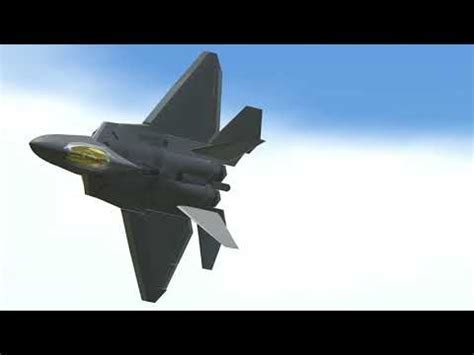
The ability to withstand +9.0 G means that during high-speed engagements, the aircraft can execute extreme high-G maneuvers, such as rapid pitch changes, barrel rolls, and tight-radius turns. At the same time, the -3.0 G capability allows for controlled negative-G movements, which can be useful in defensive maneuvers and certain evasive tactics.
Unlike older fighters that relied on aerodynamic design alone, the F-22 integrates thrust vectoring technology and an advanced fly-by-wire system, ensuring that it can maximize maneuverability while staying within structural and physiological limits.
Structural Engineering: Built to Withstand High G-Forces
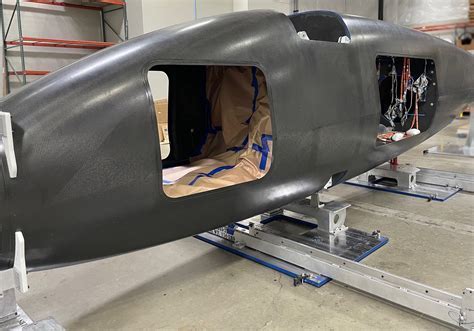
The F-22’s airframe is a product of cutting-edge material science and aerodynamics. The aircraft is constructed from titanium alloys, carbon composites, and radar-absorbent materials (RAM), which provide high structural strength while keeping the aircraft lightweight and stealth-optimized. This combination ensures that even at maximum G-loads, the airframe does not suffer from premature fatigue or structural deformation.
Additionally, reinforced load-bearing components within the fuselage and wings allow the aircraft to absorb the stresses associated with repeated high-G maneuvers without compromising its longevity.
Advanced Flight Control System and G-Limit Management
The fly-by-wire control system plays a crucial role in managing the G-limit to ensure safe flight operations. Unlike traditional mechanical control systems, the F-22’s digital flight control actively prevents pilots from exceeding safe limits while still allowing for aggressive maneuvering.
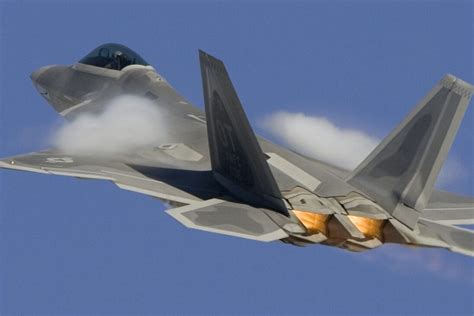
- Thrust Vectoring: The F119-PW-100 engines feature 20-degree thrust vectoring nozzles, which enhance agility by redirecting thrust independent of aerodynamic forces. This enables the F-22 to maintain control at extreme angles of attack and perform maneuvers beyond the capability of conventional fighters.
- G-Protection Algorithms: The flight computer continuously monitors pilot inputs, airspeed, and stress loads to adjust control surfaces accordingly, preventing structural damage and loss of control due to excessive G-forces.
Pilot Endurance: Overcoming the Effects of High G-Forces
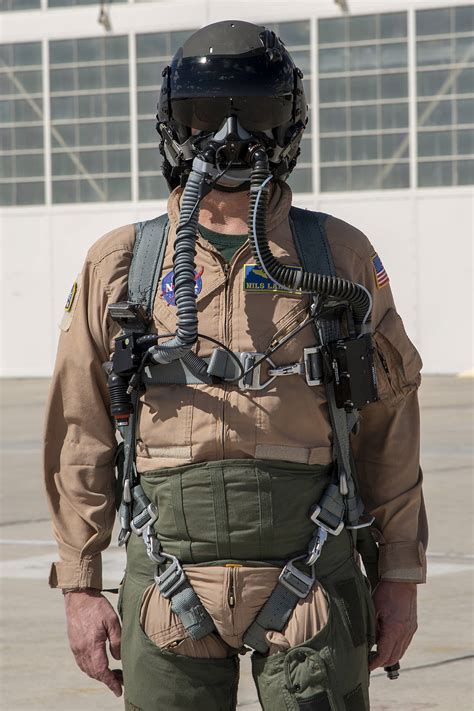
Sustaining +9.0 G in a combat scenario places extreme physiological stress on the pilot. At such forces, the human body experiences a ninefold increase in weight, making it difficult to maintain consciousness. To counteract this, F-22 pilots undergo rigorous G-tolerance training and use specialized equipment:
- Anti-G Suits: These suits apply pressure to the lower body, preventing blood from pooling away from the brain, reducing the risk of G-induced Loss of Consciousness (G-LOC).
- Controlled Breathing Techniques: Pilots employ the AGSM (Anti-G Straining Maneuver), a breathing technique that increases blood pressure and improves circulation under extreme G-forces.
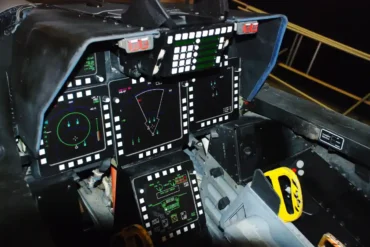
- G-Load Monitoring: The cockpit’s Heads-Up Display (HUD) and tactical avionics provide real-time G-force readings, enabling pilots to adjust their maneuvers accordingly.
Comparing the F-22’s G-Limit to Other Fighter Jets
While many fourth-generation fighters, such as the F-16 and F-15, also have a +9 G-limit, the F-22’s advantage lies in its combination of stealth, advanced avionics, and thrust-vectoring agility.
- F-15 Eagle: Also limited to +9 G, but lacks stealth capabilities and thrust vectoring, reducing its effectiveness in modern air combat scenarios.
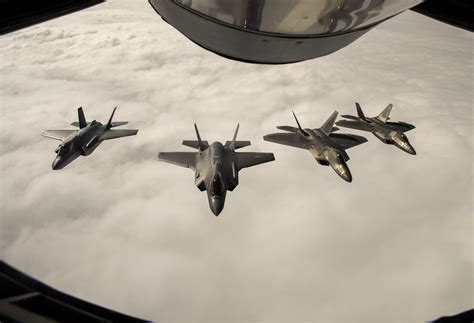
- F-35 Lightning II: Shares the +9 G-limit, but is primarily designed for multi-role missions, not air dominance, making it less maneuverable than the F-22 in high-G dogfights.
- J-20 Mighty Dragon: China’s fifth-generation stealth fighter, but its G-limit remains classified. It lacks thrust vectoring, limiting its instantaneous turn rates compared to the F-22.
- Su-57 Felon: Russia’s answer to the F-22, featuring thrust-vectoring nozzles, but with an estimated G-limit of around +9 G, similar to the F-22. However, stealth technology and avionics are considered inferior.
G-Limit in Combat and Training Considerations
The F-22’s 9G capability is not just a theoretical limit but a critical parameter in real-world combat and training. During dogfighting scenarios, pilots frequently push close to this limit to gain an advantage over adversaries.
Combat Effectiveness
- Tight Turns in Air Combat: At 9G, the F-22 can outmaneuver most opponents, allowing for quick positional advantages in Beyond-Visual-Range (BVR) and Within-Visual-Range (WVR) engagements.
- Defensive Evasion: High-G maneuvers enable rapid course changes, making the aircraft harder to target and lock onto by enemy sensors and missiles.
- Stealth Considerations: Unlike other aircraft, the F-22 must balance its high-G maneuverability with the preservation of its radar-absorbing materials (RAM), which can degrade under high-stress movements.
Pilot Training and G-Limit Adaptation
- Simulated High-G Environments: F-22 pilots regularly train in centrifuge simulators to increase their G-force endurance.
- Tactical Flight Exercises: Live training flights involve pushing the 9G limit under various conditions, including supersonic engagements and low-speed dogfighting.
- G-Load Management: Pilots are trained to distribute G-forces efficiently across different combat scenarios, maximizing maneuverability without overstraining the aircraft.
FAQ: F-22 Raptor G-Limit
1. Why does the F-22 have a 9G limit?
The 9G limit is based on a balance between airframe durability, pilot endurance, and combat effectiveness. It ensures that the aircraft can execute extreme maneuvers while maintaining structural integrity and pilot safety.
2. Can the F-22 exceed 9G in an emergency?
While the fly-by-wire system prevents pilots from exceeding the limit under normal operations, emergency situations may push the airframe beyond 9G momentarily. However, this risks structural damage and pilot incapacitation.
3. How does the F-22’s G-limit compare to newer fighter jets?
The F-22’s G-limit matches or exceeds most modern fighters, but its thrust vectoring and stealth technology give it an edge in combat scenarios. While aircraft like the J-20 and Su-57 are improving, the F-22 remains unmatched in air superiority.