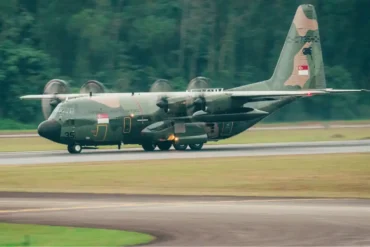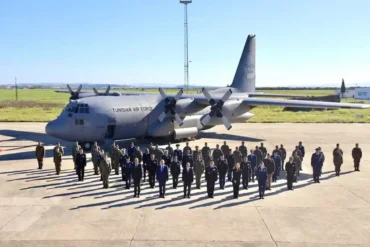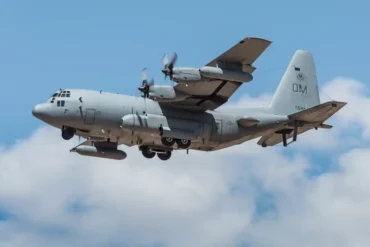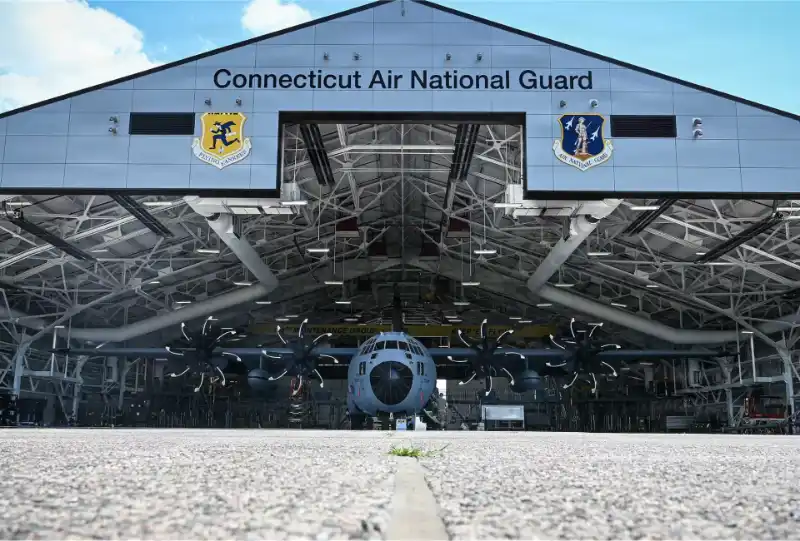
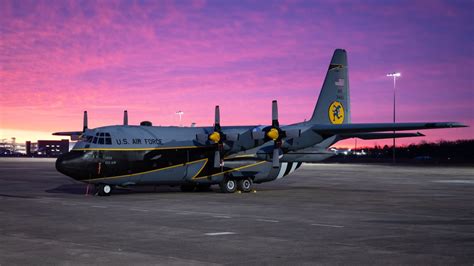
The Connecticut Air National Guard has taken a critical leap forward in air mobility operations with the full modernization of its C-130H Hercules fleet, a move that significantly boosts tactical airlift capability in line with evolving mission demands. This strategic enhancement, announced by the U.S. Department of War on December 23, 2025, reflects a commitment to extending the life and effectiveness of legacy airframes in a rapidly shifting global security environment.
Next-Generation Upgrades for a Legacy Workhorse
The C-130H Hercules, developed by Lockheed and in service since the 1970s, has long been celebrated as a reliable, versatile platform for tactical airlift operations. Designed to carry heavy payloads into austere, unimproved environments, the Hercules has served as a backbone of U.S. military logistics. Now, with a comprehensive modernization program completed by the 103rd Airlift Wing, this stalwart aircraft receives a much-needed technological renaissance.
Key to this transformation are two major enhancements: the installation of Rolls-Royce T56 Series 3.5 engines and NP2000 eight-blade propeller systems. These upgrades, drawn from proven technologies in modern turboprop engineering, bring the C-130H closer to the capabilities of the newer C-130J models—without necessitating an entirely new fleet.
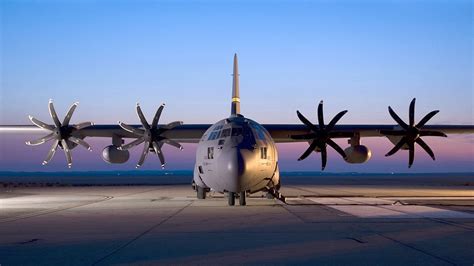
The T56 Series 3.5 engine upgrade introduces state-of-the-art turbine blade designs, improved seals, and a modernized hot section derived from the AE 2100 engine. This results in:
- Up to 9% lower fuel consumption
- Improved high-altitude performance
- Reduced lifecycle maintenance costs
Simultaneously, the NP2000 propeller system replaces the legacy four-blade design with eight advanced composite blades, delivering:
- 10–17% reduction in takeoff distance
- Lower vibration and noise levels
- Greater thrust efficiency
Together, these improvements offer a substantial leap in the C-130H’s operational versatility, safety, and longevity.
Enhanced Performance in Tactical and Humanitarian Operations
The upgraded aircraft is now more capable in short takeoff and landing (STOL) operations, allowing it to deploy from austere or improvised airstrips. This is critical for missions requiring quick ingress and egress in high-threat or disaster-hit zones. Thanks to the modernized engines and propellers, the aircraft now:
- Carries greater payloads on shorter runways
- Supports extended mission range without aerial refueling
- Operates more safely with reduced vibration and noise stress on airframes and crews
These upgrades are especially valuable in the context of the Agile Combat Employment (ACE) doctrine, which emphasizes dispersed operations and flexible basing. The C-130H’s renewed capability allows for deeper penetration into contested environments, reinforcing the U.S. military’s ability to adapt to multi-domain operational challenges.
Cargo Bay Versatility and Mission Adaptability
The C-130H’s 12.5-meter-long cargo bay remains a marvel of modular design. With configurations supporting up to 92 passengers, 64 paratroopers, or 6 standard 463L pallets, the Hercules is capable of quickly pivoting between combat, logistical, and humanitarian missions.
It can also transport:
- Two light tactical vehicles
- Artillery systems
- Medical evacuation kits (up to 74 litter patients with medics)
- MAFFS firefighting modules for aerial emergency response
This adaptability positions the C-130H as a go-to platform for both combat operations and disaster relief missions, especially in geographically isolated or infrastructure-degraded environments.
Digital Cockpit and Navigation Enhancements
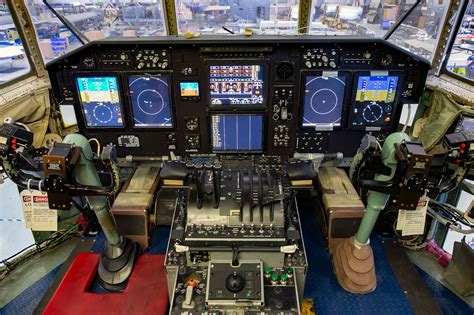
In addition to the engine and propeller modernization, many units have received advanced avionics upgrades. These include:
- Digital flight instrumentation
- Enhanced GPS/INS navigation systems
- Autopilot improvements
- Secure satellite communication (SATCOM)
These enhancements elevate situational awareness, interoperability, and mission coordination, even in GPS-contested environments. With increasing threats from electronic warfare and cyber interference, such upgrades are essential to maintaining tactical superiority.
Strategic Importance in Global Airlift Strategy
As global security dynamics evolve and adversaries invest in anti-access/area denial (A2/AD) systems, the need for agile, responsive air mobility platforms has never been greater. The modernized C-130H offers:
- Sustained relevance in joint force logistics
- Enhanced reliability for expeditionary operations
- A viable alternative to full-fleet replacement with new platforms
The modernization allows the Connecticut Air National Guard to bridge the gap between older legacy platforms and next-generation aircraft, ensuring operational readiness in both peacetime and crisis.
Future-Proofing Through Sustainment and Cost Efficiency
Beyond performance metrics, the upgrades yield significant logistical and cost advantages. By investing in component improvements rather than full platform replacement, the U.S. Air National Guard:
- Reduces downtime due to maintenance
- Streamlines spare parts management
- Optimizes fuel efficiency for long-term savings
This approach supports the Department of Defense’s goals of fiscal responsibility while ensuring the fleet remains combat-ready and mission-flexible for decades to come.
Conclusion: Renewed Relevance for a Tactical Titan
The modernization of the C-130H Hercules fleet represents more than a technical refresh—it is a strategic recalibration. As the world enters an era where mobility, versatility, and readiness define combat effectiveness, the enhanced Hercules stands ready to meet these demands. Whether delivering critical supplies to a forward operating base, evacuating casualties under fire, or responding to natural disasters across the globe, the newly upgraded C-130H provides an indispensable capability for the U.S. Air National Guard and allied forces worldwide.
With a combination of state-of-the-art propulsion, next-gen propellers, avionics upgrades, and enduring airframe resilience, the modernized Hercules embodies the evolving doctrine of 21st-century airpower—capable, flexible, and built to endure.