The EC-130H Compass Call, a cornerstone of the United States Air Force’s (USAF) electronic warfare capabilities, has been in service for over 40 years. However, the evolving demands of modern warfare, technological advancements, and strategic shifts in military priorities have led to the decision to retire this iconic platform. With its aging structure, limitations in mission flexibility, and the need for more advanced capabilities, the EC-130H is being phased out in favor of a more efficient and capable successor, the EA-37B.
In this article, we will explore the reasons behind the retirement of the EC-130H, delve into the advancements of its replacement, and analyze the broader implications for the future of electronic warfare.
The Aging EC-130H and its Operational Limitations

A Legacy of Over 40 Years
The EC-130H Compass Call entered service in 1982, initially based on the C-130 Hercules platform, a versatile transport aircraft. Despite multiple upgrades over the years, the EC-130H’s core design remains rooted in technology developed during the 1980s. While the aircraft has proven its resilience and effectiveness in various electronic warfare roles, its aging airframe and propulsion system are becoming increasingly difficult to maintain.
The EC-130H’s AE2100D3 turboprop engines and structural design have surpassed their optimal operational lifespan. The maintenance costs for these components have steadily risen as the aircraft’s systems age, and newer technologies require more effort to integrate into the existing platform. This is further complicated by the difficulty of sourcing replacement parts as many of the original systems are no longer in production.
A Platform Outpaced by Technological Advancements
The EC-130H was originally designed for electronic attack and electronic countermeasures, providing crucial jamming and communications disruption during missions. However, its electronic systems, based on 1980s-era technology, have been unable to keep up with the rapid pace of technological advancements in the field of electromagnetic spectrum operations (EMSO).
The EC-130H’s jamming capabilities, which can disrupt communications and radar up to 120 kilometers, have become less effective in the face of increasingly sophisticated electronic warfare (EW) technologies developed by adversaries. The platform’s reliance on collaboration with airborne early warning aircraft (e.g., AWACS) to carry out certain missions has also limited its flexibility in modern, distributed combat scenarios.

The Rise of the EA-37B: A New Era in Electronic Warfare
A Platform Built for the Future
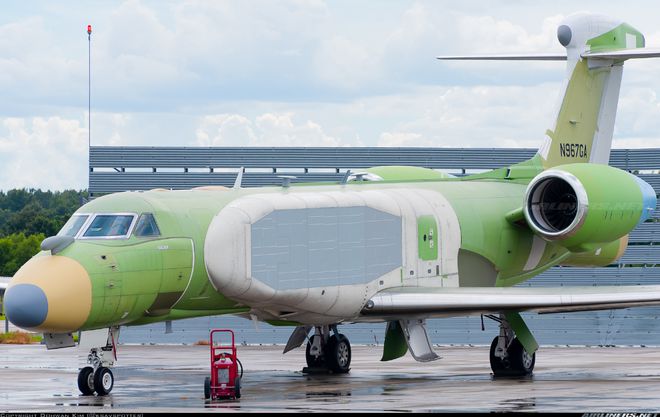
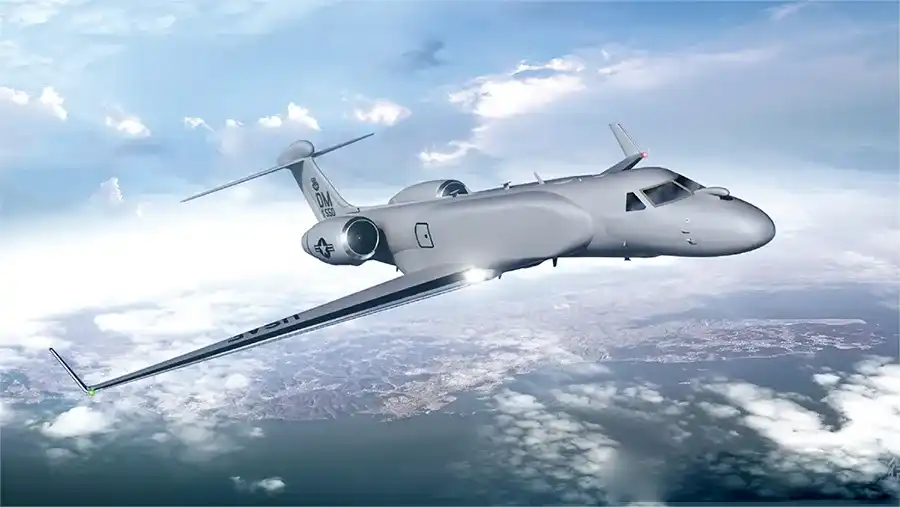
The EA-37B, originally known as the EC-37B, is designed to replace the EC-130H with cutting-edge technologies and greater flexibility. The aircraft is based on the Gulfstream G550 business jet platform, which offers significantly improved speed, range, and altitude compared to the EC-130H’s C-130 airframe.
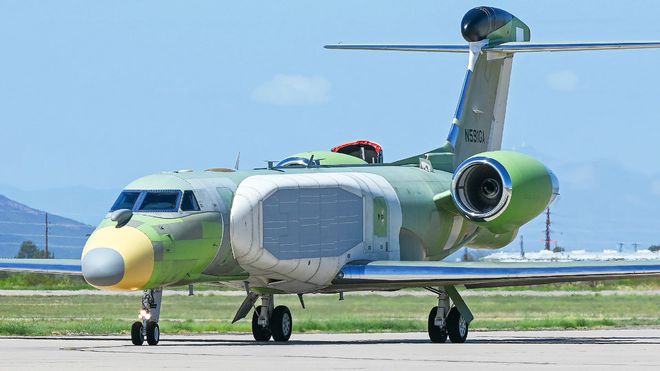
One of the standout features of the EA-37B is its advanced electronic warfare systems, developed by BAE Systems. The EA-37B integrates the latest iterations of the Compass Call system, utilizing open software architecture that allows for rapid upgrades in response to emerging threats. This flexibility is a critical advantage, as it enables the aircraft to quickly adapt to new countermeasures, including threats from C5ISRT (Command, Control, Communications, Computers, Combat Systems, Intelligence, Surveillance, and Reconnaissance).
Enhanced Operational Capabilities
With its new, modernized design, the EA-37B provides a substantial leap forward in mission capabilities. Unlike the EC-130H, which operates at a relatively low altitude (typically around 10,000 feet), the EA-37B can cruise at higher altitudes—around 15,000 meters (50,000 feet)—and reach speeds of up to 900 kilometers per hour. This offers enhanced survivability in contested environments and provides a larger operational envelope, enabling the aircraft to operate at longer ranges and more efficiently carry out electronic attack missions.
The EA-37B also comes equipped with next-generation electromagnetic attack systems, some of which may even possess “hard kill” capabilities. This includes the potential to disrupt or destroy enemy electronics by emitting high-powered electromagnetic pulses (HEMP), a feature the EC-130H lacks.
Cost-Effective and Sustainable
A major concern with the EC-130H was its operating costs. With rising maintenance expenses and the increasing complexity of keeping the aging aircraft in working order, the cost-to-benefit ratio of maintaining the EC-130H fleet has become untenable. In comparison, the EA-37B boasts much lower operating costs, thanks to its more modern design and efficient propulsion system. This results in significant savings for the USAF, even with fewer aircraft in service.
The decision to retire the EC-130H and replace it with the EA-37B is, in part, a financial one. The transition will not only reduce the costs associated with maintaining an aging fleet but also provide a more flexible and powerful platform that can meet the growing demands of modern warfare, including information warfare, cyber operations, and electromagnetic spectrum dominance.

Strategic Shifts in Electronic Warfare: From Defense to Offense
A Paradigm Shift in EW Doctrine
The retirement of the EC-130H is also part of a broader shift in the United States military’s approach to electronic warfare. While the EC-130H primarily served as a defensive tool, conducting electronic jamming and disrupting enemy communications and radar, the EA-37B’s role as an electronic attack (EA) platform represents a more offensive posture.
In the modern battlefield, electromagnetic spectrum dominance is becoming increasingly crucial. The EA-37B is equipped to not only disrupt enemy systems but to actively attack and degrade enemy electronic infrastructure. This includes the ability to target data links, satellite communications, and network nodes, all of which are key to the functioning of modern command and control systems.
By making this shift, the U.S. military is aligning its electronic warfare capabilities with the broader needs of modern conflict, which increasingly revolves around information warfare and cybersecurity. The EA-37B will complement other platforms in the U.S. military’s electronic warfare portfolio, positioning the U.S. to maintain a technological edge over its adversaries, particularly near-peer competitors like China and Russia.

Retirement and Replacement Timeline
The Transition Process
The process of transitioning from the EC-130H to the EA-37B is already underway. The U.S. Air Force plans to phase out the EC-130H by 2025, replacing it with 10 EA-37B aircraft. Although the EA-37B fleet will be smaller in number than the EC-130H fleet, the new aircraft’s superior capabilities mean that fewer units will be needed to achieve the same—if not greater—effectiveness in electronic warfare operations.
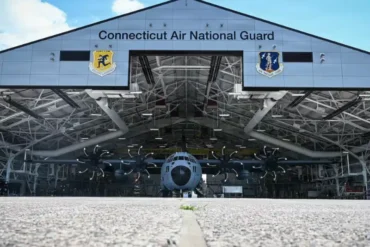
This transition is expected to be completed between 2025 and 2030, with the new EA-37Bs replacing the EC-130Hs at Davis-Monthan Air Force Base in Arizona, where the 55th Electronic Warfare Squadron currently operates the EC-130H. As the EA-37B begins to enter service, the U.S. Air Force’s electronic warfare capabilities will shift to a more advanced and flexible platform, poised to face the challenges of modern conflict.
A Strategic Shift in Force Composition
The shift from EC-130H to EA-37B also signals a change in force composition and operational strategy. With the EC-130H’s reliance on collaborative missions with other assets such as AWACS, the new EA-37B will offer greater independence and flexibility in carrying out electronic attack missions. The transition will also involve adjustments to the tactical role of the platforms, as the U.S. military adapts to the evolving demands of electromagnetic spectrum operations and information warfare.
The EA-37B is not just a replacement for the EC-130H; it represents a fundamental shift in how the U.S. military plans to dominate the electromagnetic spectrum in future conflicts.

Conclusion
The retirement of the EC-130H Compass Call marks the end of a long era of electronic warfare dominance by a platform that has served the United States Air Force for over four decades. However, the transition to the EA-37B marks the beginning of a new chapter in the electromagnetic spectrum dominance and electronic warfare capabilities of the U.S. military.
The EA-37B offers enhanced capabilities, lower maintenance costs, and greater flexibility, allowing the U.S. to maintain its technological advantage in the face of emerging threats. With its advanced technology, greater range, and more offensive posture, the EA-37B is poised to play a central role in the future of electronic warfare—ensuring that the U.S. military is ready for the challenges of modern, information-driven conflict.
In the coming years, the full retirement of the EC-130H and the widespread deployment of the EA-37B will symbolize not only the obsolescence of a legacy platform but also the strategic evolution of the U.S. military’s approach to electronic warfare. The shift from the EC-130H to the EA-37B is a necessary step in ensuring the U.S. remains at the forefront of modern warfare.