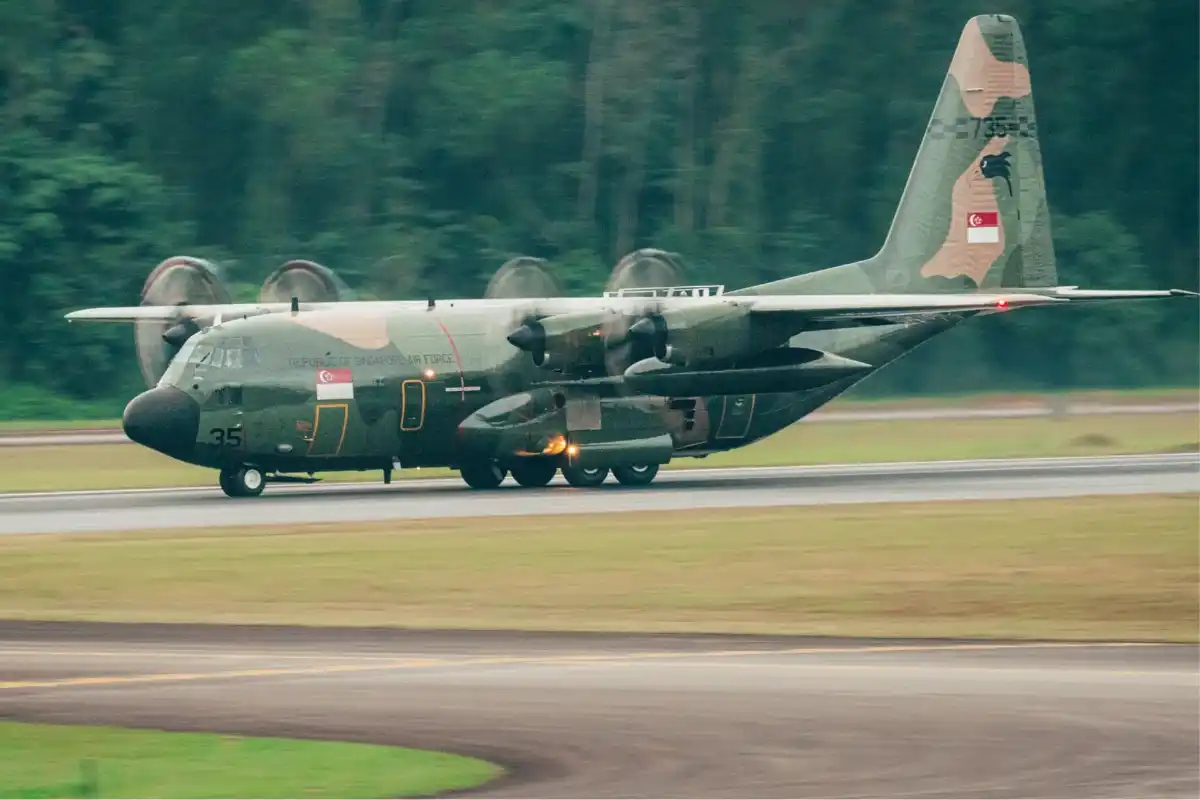
The Republic of Singapore Air Force has quietly begun a consequential transition in its airlift force structure, one that favors endurance, realism, and operational continuity over headline-grabbing procurement. The arrival of pre-owned Lockheed Martin C-130H Hercules aircraft marks the first tangible step in replacing Singapore’s oldest C-130B transports, some of which trace their structural origins back more than six decades. Rather than framing the move as an interim patch, Singapore’s air force leadership has positioned it as a deliberate choice to preserve credible mobility while channeling finite modernization resources toward combat aircraft, sensors, and networked warfare systems.
This decision reflects a distinctly Singaporean logic. Tactical airlift does not attract the same public attention as stealth fighters or missile defenses, yet it underpins nearly every real-world operation, from daily logistics to humanitarian relief and rapid regional response. In Southeast Asia’s fragmented geography, airlift is not a luxury but a strategic utility. By selecting later-generation C-130H aircraft with substantial remaining service life, Singapore ensures that this utility remains dependable well into the 2040s.
Maj. Gen. Kelvin Fan, Chief of the Air Force, confirmed the induction ahead of the Singapore Airshow, emphasizing that the Hercules remains the most credible solution for the nation’s airlift requirements over the next 15 to 20 years. His remarks underline a broader strategic calculus: air forces must modernize, but not every capability benefits equally from generational leaps. Some platforms, when robust, adaptable, and well-understood, are better sustained than replaced.
The oldest C-130B airframes in Singapore’s inventory entered service in the late 1970s, and even then several were acquired second-hand. Despite meticulous maintenance and incremental upgrades, age imposes unavoidable penalties. Structural fatigue accumulates, wiring insulation degrades, and legacy avionics architectures become increasingly difficult to support. At a certain point, maintaining readiness becomes an exercise in diminishing returns. The shift to C-130H airframes is therefore less about expanding capability than about restoring predictability and availability to a mission-critical fleet.
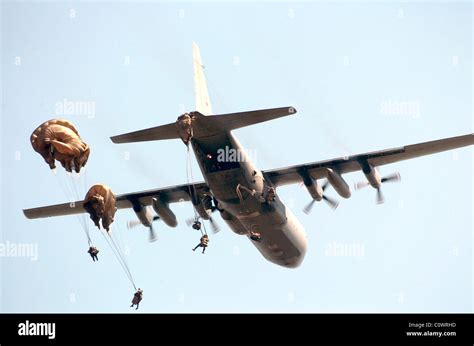
Open-source flight tracking and aviation registry data provide insight into how the transition is unfolding. From mid-December onward, multiple Hercules aircraft arrived in Singapore, including standard C-130H transports and a KC-130H tanker variant. These aircraft have been linked to Blue Aerospace, a Florida-based company known for brokering surplus C-130 airframes. The cancellation of civilian registrations such as N973BA and N974BA shortly after arrival strongly suggests a transfer from commercial custody into military service, even though Singapore has not publicly detailed the transaction.
Operational integration is expected to take place at Paya Lebar Air Base, home to 122 Squadron, Singapore’s sole Hercules unit. The squadron currently operates a mixed fleet of ten aircraft, comprising four C-130Bs and six C-130Hs. This mix has been manageable, but the B-models increasingly dominate maintenance schedules and constrain sortie generation. Replacing them with additional H-models simplifies sustainment while preserving established training pipelines, spares inventories, and ground support equipment.
The specific airframes acquired appear to be ex-Spanish aircraft built in 1976 and 1983, carrying between approximately 16,000 and 19,000 flight hours. In fatigue-managed aircraft like the Hercules, flight hours are often a more meaningful metric than calendar age. These numbers indicate substantial remaining structural life, especially when compared with Singapore’s oldest B-models. Importantly, the aircraft reportedly feature upgraded avionics and digital glass cockpits, reducing the gap between them and Singapore’s existing C-130H configuration.
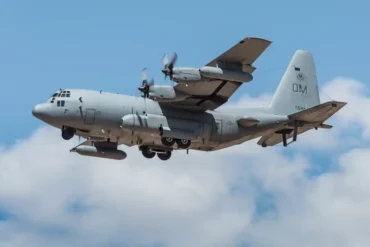
The C-130H occupies a sweet spot in the Hercules lineage. Compared with the earlier B-model, it offers more powerful engines, improved systems reliability, and better growth margins for avionics and mission upgrades. While newer variants like the C-130J deliver further efficiency gains, they also require deeper investment in training, logistics, and infrastructure. For a small but technologically sophisticated air force, the H-model represents an optimal balance between capability and cost.
Singapore’s operational environment further reinforces this logic. Regional missions frequently involve short to medium-range flights into airfields with limited runway length, constrained ground handling, or degraded infrastructure following natural disasters. The Hercules’ rugged landing gear, rear cargo ramp, and high-wing design enable operations where larger strategic airlifters would struggle. Payload flexibility, rapid turnaround, and the ability to sustain high sortie rates often matter more than maximum range or cruise speed.
The reported presence of a C-130H-30 stretched variant within the incoming group adds another layer of utility. The extended fuselage increases internal cargo volume, making it particularly effective for high-cube loads such as relief supplies, shelters, and engineering equipment. In humanitarian assistance and disaster relief missions, where bulk rather than weight is often the limiting factor, this capability directly translates into fewer sorties and faster response times.
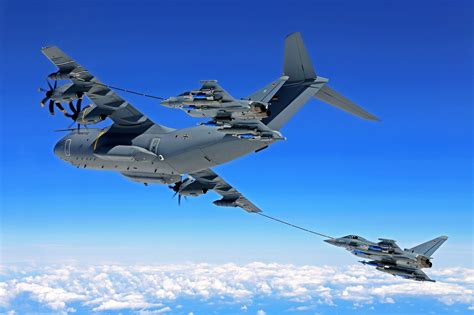
Equally noteworthy is the inclusion of a KC-130H tanker variant. While Singapore has not publicly outlined plans for aerial refueling using this platform, its integration would offer niche flexibility. Hose-and-drogue refueling could support helicopters or select fixed-wing assets during regional operations, training exercises, or coalition missions. Even if used sparingly, the option enhances operational adaptability without requiring a dedicated tanker fleet expansion.
From a sustainment perspective, the transition addresses one of the most pressing challenges facing ageing fleets: availability. As aircraft age, maintenance hours per flight hour increase, and unexpected faults become more common. This erodes readiness precisely when aircraft are needed most, often during crises that demand immediate response. By inducting younger H-model airframes, Singapore effectively buys back readiness, ensuring more aircraft are available on the flightline rather than in hangars awaiting parts or inspections.
Interoperability is another quiet but decisive factor. The C-130 remains one of the most widely operated military transports in the world. Operating a common variant with modernized avionics simplifies participation in multinational exercises and coalition operations, particularly when secure communications and standardized navigation systems are required. Singapore has long emphasized seamless integration with partners, and a refreshed Hercules fleet supports that objective without introducing exotic or bespoke solutions.
The decision also reflects a disciplined approach to defense spending. By opting for pre-owned aircraft with known performance and support characteristics, Singapore frees capital for investments in advanced combat platforms, sensors, and digital integration. Airlift, in this framework, is treated as an enabling backbone rather than a domain for experimentation. It must work, every time, under pressure. The Hercules has proven that reliability across decades of global operations.
In strategic terms, the move reinforces Singapore’s ability to respond autonomously to regional contingencies. Whether evacuating citizens, delivering aid, or supporting stabilization missions, rapid air mobility expands political and military options. In an Indo-Pacific security environment marked by uncertainty and compressed decision timelines, such options carry disproportionate weight. They allow Singapore to act early, decisively, and in concert with partners when circumstances demand.
The induction of used C-130H aircraft therefore represents continuity rather than conservatism. It acknowledges the realities of airlift operations, the limits of budgets, and the enduring value of platforms that have already proven themselves in the harsh arithmetic of real-world missions. By extending the Hercules’ service life through carefully selected acquisitions, the Republic of Singapore Air Force ensures that mobility, resilience, and responsiveness remain embedded in its force structure for decades to come.