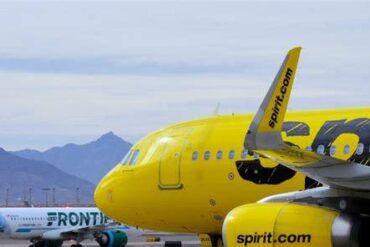
The abrupt shutdown of Spirit Airlines has triggered more than industry shockwaves—it has sparked an unexpected, fast-growing public movement determined to bring the ultra-low-cost carrier back to life. Within just 24 hours of the airline’s final flight, a grassroots initiative branded “Let’s Buy Spirit” reported over $22 million in public pledges, signaling a rare moment where passengers, employees, and aviation enthusiasts are attempting to reshape the future of commercial aviation from the ground up.
What makes this effort remarkable is not just the speed of fundraising, but the philosophy behind it. Supporters are not merely trying to resurrect a failed airline; they are advocating for a community-owned aviation model, one that challenges the deeply entrenched norms of corporate control in an industry known for high barriers to entry and razor-thin margins. The proposal positions Spirit not as a relic of budget travel, but as a symbol of accessible flight in an increasingly expensive market.
Spirit Airlines Collapse: The End of a Low-Cost Giant
Spirit Airlines officially ceased operations on May 2, closing the chapter on a 34-year run that redefined budget air travel in North America. The shutdown followed years of financial instability marked by multiple bankruptcy restructurings, rising operational costs, and failed merger attempts with JetBlue Airways and Frontier Airlines.
The airline’s final hours unfolded with little ceremony but enormous impact. Flights were abruptly canceled, aircraft grounded, and thousands of passengers left scrambling for alternatives. The last revenue flight landed at Dallas/Fort Worth International Airport (DFW), quietly marking the end of one of the most disruptive forces in modern aviation pricing.
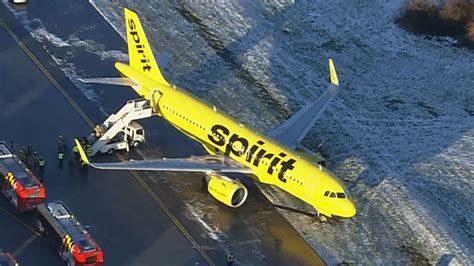
Behind the scenes, Spirit had been battling a perfect storm of economic pressures. Fuel price volatility, mounting debt obligations, and intensifying competition steadily eroded its financial footing. Efforts to secure emergency funding and federal support ultimately failed, leaving the airline with no viable path forward. Its collapse underscores the brutal economics of aviation, where even established carriers can falter under sustained pressure.
“Let’s Buy Spirit”: A Radical Ownership Vision Takes Flight
The “Let’s Buy Spirit” campaign is not simply a crowdfunding effort—it is a bold attempt to rethink airline ownership itself. Organizers have drawn inspiration from the Green Bay Packers, the NFL’s only publicly owned franchise, where thousands of shareholders collectively own the team rather than a single billionaire or corporate entity.
In this proposed model, contributors would effectively become stakeholders in a newly structured airline—informally dubbed “Spirit 2.0”—with a mission to preserve low-cost travel while introducing broader public accountability. The campaign has gained rapid traction through social media platforms, where supporters share branding concepts, fundraising milestones, and visions for a reimagined airline experience.
This approach introduces a fascinating paradox. Aviation is one of the most capital-intensive industries in the world, requiring billions in funding, complex regulatory approvals, fleet acquisition, and operational expertise. Yet the campaign’s early success highlights a powerful truth: consumer loyalty to affordable travel runs deeper than traditional metrics suggest.
Why Spirit Mattered More Than Its Reputation Suggested
Spirit Airlines often found itself the subject of criticism, frequently associated with tight seating, ancillary fees, and inconsistent service. However, those critiques obscure a larger economic reality: Spirit fundamentally reshaped airfare pricing across the United States.
By aggressively undercutting competitors, the airline forced legacy carriers to lower fares on overlapping routes, creating a ripple effect that benefited millions of travelers—including those who never flew Spirit. Its presence acted as a market equalizer, injecting price competition into routes that might otherwise have remained expensive.
For many passengers, Spirit represented something far more significant than convenience. It offered access—to vacations, family visits, and opportunities that might otherwise have been financially out of reach. The emotional response following its shutdown, visible across social media, reflects that deeper connection.
The Emotional Surge Behind a Financial Movement
The rapid accumulation of $22 million in pledges is not purely a financial story—it is an emotional one. Former passengers, laid-off employees, and aviation enthusiasts have rallied around the idea that low-cost air travel should not vanish without a fight.
Online platforms have been flooded with photos of final flights, personal travel stories, and tributes to Spirit’s role in democratizing aviation. This wave of sentiment has translated into tangible support, suggesting that the airline’s value extended beyond its balance sheet.
That emotional energy, however, faces a sobering reality. Turning pledges into a functioning airline requires far more than goodwill. It demands institutional-grade capital, regulatory clearance, operational infrastructure, and experienced leadership—all of which remain uncertain at this stage.
Can a Community-Owned Airline Survive in Modern Aviation?
The concept of a community-backed airline raises profound questions about feasibility. The aviation sector is notoriously unforgiving, defined by volatile fuel costs, labor shortages, maintenance demands, and intense competition. Even major carriers backed by powerful investors routinely struggle to maintain profitability.
A successful revival of Spirit would require:
- Regulatory approval from aviation authorities
- Access to aircraft fleets, either through leasing or acquisition
- Rehiring or recruiting skilled personnel, including pilots and maintenance crews
- Rebuilding route networks and airport partnerships
- Securing sustained capital beyond initial pledges
Each of these elements represents a significant hurdle. Together, they form a challenge that few grassroots movements have ever attempted, let alone achieved. Yet the very ambition of the project has ignited industry-wide discussion about whether alternative ownership models could coexist with traditional aviation structures.
A Turning Point for Affordable Air Travel
Regardless of whether “Let’s Buy Spirit” ultimately succeeds in relaunching the airline, the movement has already achieved something notable: it has reignited debate about the future of low-cost flying in the United States.
Spirit’s disappearance leaves a noticeable gap in the market, particularly for budget-conscious travelers and underserved leisure routes. Without a strong ultra-low-cost competitor, there is concern that airfare could gradually trend upward, reducing accessibility for price-sensitive passengers.
The campaign’s framing of Spirit as “The People’s Carrier” taps into this anxiety, positioning the airline as a public good rather than just another private enterprise. It challenges the assumption that affordability must always be subordinate to profitability in commercial aviation.
What Comes Next for “Spirit 2.0”?
The path forward remains uncertain, but momentum is undeniably on the campaign’s side. Organizers continue to promote their vision, emphasizing transparency, community involvement, and a commitment to preserving ultra-low-cost travel options.
Whether the movement evolves into a legitimate acquisition effort or remains a symbolic stand against rising travel costs, its early success sends a clear message: there is a passionate and financially engaged audience for affordable aviation.
In an industry dominated by consolidation and corporate control, the idea that passengers themselves could shape the future of an airline feels almost radical. Yet with $22 million pledged in a single day, what once seemed improbable now sits firmly within the realm of possibility—an experiment that could redefine not just Spirit Airlines, but the broader economics of flying itself.