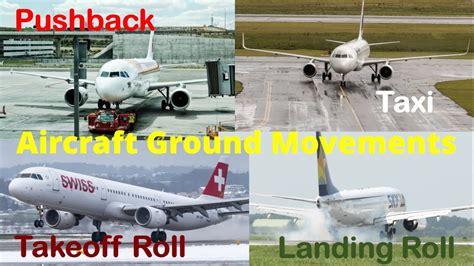
Plane pushback is a critical yet often overlooked process in the aviation industry. It represents the essential first step of an aircraft’s journey—transitioning from the gate to the taxiway—executed with precision, coordination, and specialized ground support equipment. Despite its brief duration, pushback involves a series of carefully orchestrated procedures that prioritize safety, efficiency, and protection of both the aircraft and surrounding infrastructure.
What Is Plane Pushback?
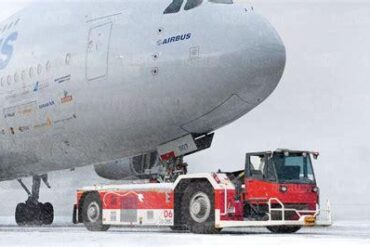
In aviation terminology, plane pushback refers to the rearward movement of an aircraft from its gate position to a designated taxiway using an external vehicle known as a pushback tractor or tug. This process is crucial because aircraft are not designed to reverse under their own power for safety reasons.
Jet engines, though capable of generating reverse thrust, are not used for backtracking near terminals due to high risk of jet blast. The resulting noise pollution, potential for damage to infrastructure, and risk to ground personnel from flying debris make powered reverse an impractical option at commercial airports.
Why Pushback Is Preferred Over Powerback
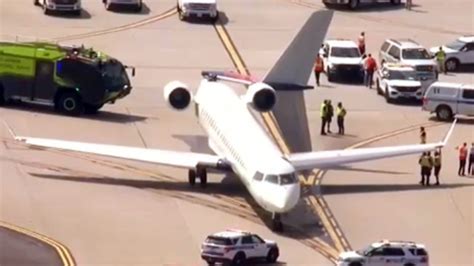
Although aircraft like the Boeing 737 can technically reverse using engine thrust—a technique known as powerback—modern commercial aviation discourages this practice. Jet blast can dislodge foreign objects from the tarmac, creating FOD (Foreign Object Debris) risks that damage engine components. Engine ingestion of debris also increases wear and tear, particularly on polymer composite materials (PCMs) used in modern engines, as documented in material science studies.
Additionally, powerback creates elevated noise levels and requires more fuel, contradicting global sustainability goals in airport operations. Therefore, pushback is the globally accepted standard, especially in congested terminals where precision and environmental safety are paramount.
The Pushback Procedure Explained
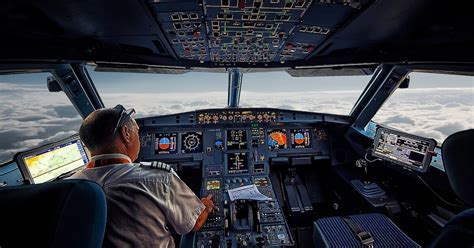
At a busy aerodrome, a pushback procedure begins with the aircraft obtaining clearance from ground control. Once granted, the pilot coordinates with ground handlers through a headset connection near the aircraft’s nose landing gear. Communication clarity is vital as the pilot has no rearward visibility—all steering during pushback is performed by the tug operator.
A critical component in this process is the bypass pin, which is inserted into the nose gear to disengage the aircraft’s own steering system. This prevents accidental control input from interfering with the tug’s operations. Once pushback is completed:
-
The towbar is detached (if used)
-
The bypass pin is removed
-
The handler visually confirms its removal to the cockpit crew
Only after these steps can the aircraft resume forward taxi under its own power.
Types of Pushback Equipment
1. Conventional Tractors with Towbars
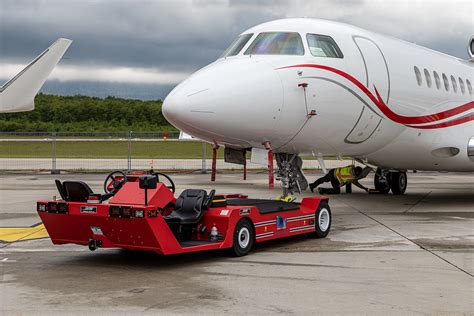
Conventional pushback tractors utilize a towbar to connect to the aircraft’s nose gear. These towbars are fitted with aircraft-specific adapters, and in many cases, the towbar rides on wheels with a hydraulic lifting mechanism to align with aircraft and tractor. Heavy-duty towbars for wide-body jets can handle immense forces, often incorporating shear pins that snap under excessive stress to avoid aircraft damage.
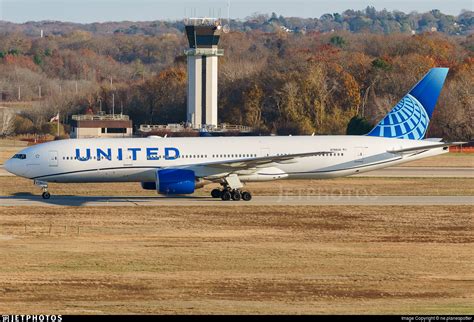
These tractors are low-profile, heavy machines capable of exerting drawbar pulls exceeding 334 kN and weighing over 50 metric tonnes. The cabin is often height-adjustable, allowing better visibility during maneuvering.
2. Towbarless (TBL) Tractors
Towbarless tractors offer streamlined efficiency by eliminating the need for a towbar. Instead, they clamp the nose landing gear directly, lifting it off the ground and using the aircraft’s own weight for traction. Benefits include:
-
Faster hookup and release times
-
Reduced maintenance costs (no towbars to service)
-
Greater maneuverability in confined spaces
Towbarless units are increasingly common in general aviation, business aviation, and narrow-body airline operations due to their adaptability. Many models are electric-powered, aligning with the global push toward low-emission airport operations.
3. Robotic and Semi-Autonomous Systems
The cutting edge of aircraft pushback technology is the semi-robotic tractor. The TaxiBot, developed by Israel Aerospace Industries’ Lahav Division, allows pilots to remotely operate the tug using the aircraft’s controls. This system enables the aircraft to taxi from gate to runway without using its engines—cutting fuel costs, reducing noise, and lowering carbon emissions.
British Airways and other major carriers have explored similar autonomous pushback systems, signaling a shift toward fully integrated digital ground handling.
Handling Small Aircraft and General Aviation
For light aircraft, especially those used in general aviation, pushback is more manual. Ground crews often use:
-
Lightweight aluminum towbars
-
Manually powered jacks
-
Portable tow devices powered by drills or lawnmower engines
Smaller towbars may be stored onboard, offering flexibility at remote airstrips and smaller hangars. In some cases, handlers lift part of the aircraft (tail or nose) and pivot it manually—a practice made safe by the sturdy construction of wing struts and landing gear.
Fuel Efficiency and Environmental Considerations
In efforts to reduce fuel consumption, some airlines experimented with towing aircraft to runway holding points. Virgin Atlantic, for example, adopted this method temporarily, but eventually discontinued it due to increased landing gear maintenance costs caused by prolonged stress during tows.
Despite the challenges, the concept demonstrates industry interest in sustainable pushback alternatives. Solutions like electric-powered tugs, hybrid tow systems, and shared-use towing infrastructure continue to gain traction in airport modernization strategies.
Pushback Beyond Departure
While the primary use of pushback is for aircraft departure, the same equipment is essential for a variety of ground-handling operations:
-
Moving aircraft in and out of hangars
-
Positioning aircraft for maintenance inspections
-
Repositioning grounded or non-powered aircraft
In fact, most large-scale airports maintain a fleet of tugs and tractors capable of 24/7 operation. These systems are integrated with Visual Guidance Docking Systems (VGDS), Air Traffic Control (ATC) communications, and ground safety protocols to ensure seamless movement across the tarmac.
Iconic Moments in Pushback History
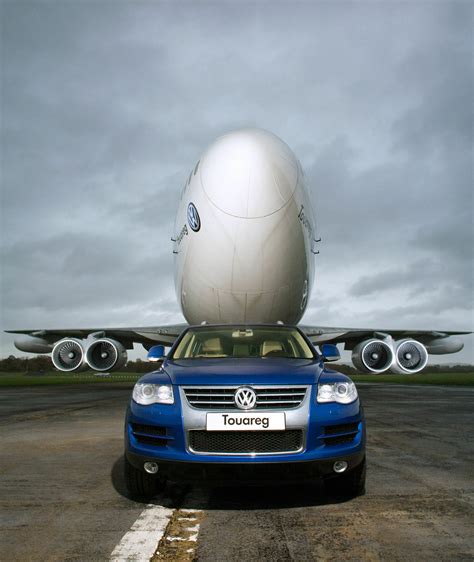
Perhaps the most famous public demonstration of aircraft towing was staged by Volkswagen’s Touareg SUV, which pulled a Boeing 747 as part of a marketing campaign. The car carried additional ballast—over four tons of cement—to simulate the necessary traction of an actual pushback tractor. Though primarily symbolic, the stunt highlighted the physics of pushback, showing the balance between traction, torque, and resistance.
Conclusion
Pushback may appear simple to the untrained eye, but it is a highly regulated, technologically supported, and safety-critical operation that bridges the aircraft’s transition from terminal to taxiway. With innovations such as towbarless technology, robotic tugs, and low-emission systems, the future of aircraft pushback is aligned with efficiency, sustainability, and precision control. As airports grow busier and aircraft become more advanced, pushback systems will continue to evolve, ensuring the first moments of every flight are as safe and seamless as the journey ahead.
FAQs
What is the difference between a towbar and a towbarless tug?
A towbar connects the aircraft to the tug using a metal bar with adapters specific to the aircraft type. Towbarless tugs clamp the aircraft’s nose gear directly, lifting it slightly for easier and quicker handling. Towbarless systems reduce hookup time, minimize damage risk, and require less space for maneuvering.
Why don’t aircraft reverse on their own during pushback?
Using engine thrust to reverse, known as powerback, is discouraged due to safety risks like foreign object debris, excessive noise, and possible damage to airport infrastructure. Pushback with external tugs ensures safe and controlled movement.
How much does a typical pushback tug weigh?
Large pushback tractors for wide-body jets can weigh over 54 metric tonnes (approximately 119,000 pounds). The heavy weight ensures adequate traction to safely push or tow aircraft without skidding or loss of control.