Aircraft hydraulic systems are fundamental to modern aviation, forming the critical foundation upon which essential control and performance mechanisms operate. From commercial jets to military aircraft, these systems empower the most demanding mechanical movements with precision, speed, and reliability. As flight technologies have evolved, so too has the complexity and capability of hydraulic systems, making them indispensable in both civil and defense aerospace industries.
Hydraulic systems operate by transmitting pressurized fluid through a closed network, converting mechanical input into powerful output that can be finely controlled. This method allows pilots and onboard systems to control high-resistance components—such as landing gear, flight control surfaces, and brakes—with minimal manual input.
The Fundamentals of Aircraft Hydraulic Systems
At the heart of the aircraft hydraulic system lies the principle of fluid power transfer. Unlike mechanical linkages or cable-driven systems, hydraulics rely on incompressible fluids—usually specialized oil—to transmit energy efficiently across varying distances and through complex routing paths. These systems are carefully engineered to handle extreme pressure, thermal variation, and mechanical loads, often functioning under operating pressures between 3,000 and 5,000 psi.
The system’s strength lies in its ability to amplify small pilot inputs into large mechanical motions. This characteristic is essential for controlling massive aircraft components under dynamic flight conditions without compromising responsiveness or precision.
Core Components of an Aircraft Hydraulic System
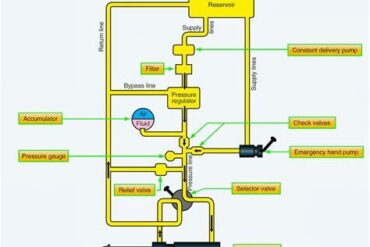
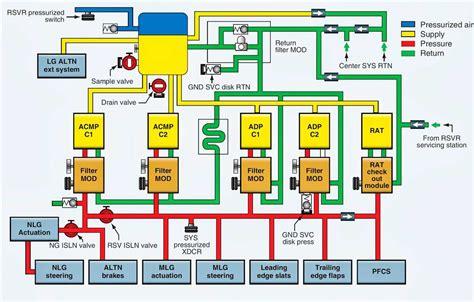
Every aircraft hydraulic system is comprised of several interdependent components, each playing a pivotal role in maintaining the functionality and integrity of the overall system:
Hydraulic Pumps
These are the power-generating elements of the system. Pumps convert mechanical energy from engine or electric motor input into hydraulic pressure, creating the force needed to circulate fluid. There are two main types:
-
Engine-driven pumps for primary system pressure
-
Electric motor-driven pumps (EMDPs) for backup or auxiliary use
Hydraulic Fluid
The lifeblood of the system, the fluid must be:
-
Non-compressible to allow consistent energy transfer
-
Thermally stable for high-altitude conditions
-
Anti-corrosive and lubricative to protect internal components
Common fluids include Skydrol (phosphate ester) and MIL-H-5606 (petroleum-based).
Reservoirs
These store the hydraulic fluid and provide a head pressure to ensure a continuous supply. They also allow for fluid thermal expansion, air separation, and contamination settling.
Actuators and Hydraulic Cylinders
These convert hydraulic pressure into mechanical motion. Actuators typically operate:
-
Landing gear extensions/retractions
-
Control surfaces (flaps, elevators, ailerons, rudders)
-
Braking mechanisms and steering systems
Valves and Flow Regulators
Valves manage the direction, rate, and volume of fluid flow. These include:
-
Selector valves: Control fluid path based on pilot input
-
Relief valves: Prevent over-pressurization
-
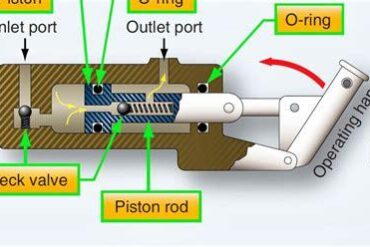
Check valves: Ensure unidirectional flow
Filters
Hydraulic filters remove contaminants and particulates, protecting high-precision components like actuators and servo valves. Filter health is critical to maintaining system longevity.
Hydraulic Circuit Architecture and Redundancy
Aircraft hydraulic systems are often designed with multiple independent circuits, ensuring redundancy and operational integrity in case of system failure. In modern commercial jets like the Boeing 787 or Airbus A350, three or more parallel hydraulic systems operate in tandem.
These may include:
-
Primary system (controls major surfaces)
-
Secondary/backup system (engaged upon failure or demand overflow)
-
Ram Air Turbine (RAT) or Accumulator-fed emergency systems
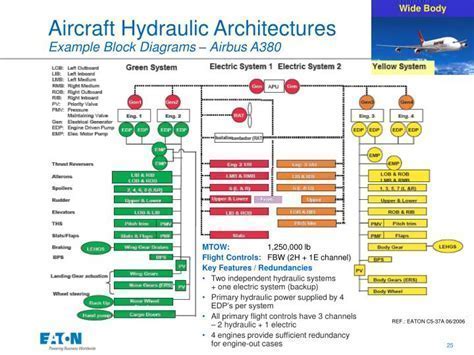
This layered approach ensures that even in the event of dual system failure, a minimum safe level of control remains.
Applications in Modern Aviation
The versatility and strength of aircraft hydraulic systems extend to multiple critical flight operations, including:
Landing Gear Systems
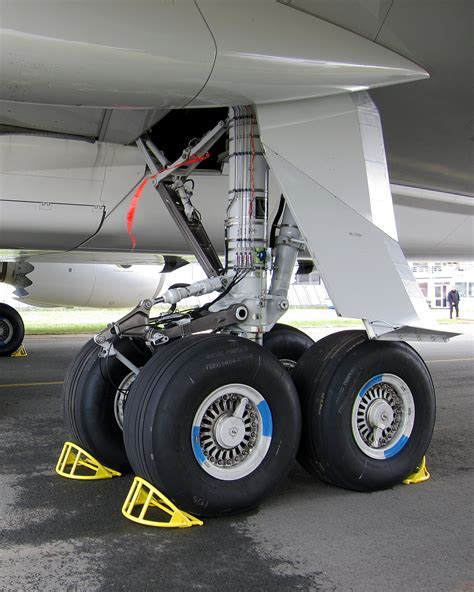
Aircraft landing gear, due to its size and weight, requires significant force to retract or extend. Hydraulics provide this capability with high reliability, even under emergency deployment scenarios.
Flight Control Surfaces
Hydraulics are responsible for operating:
-
Elevators (pitch)
-
Ailerons (roll)
-
Rudder (yaw)
-
Spoilers and flaps (lift and drag control)
These surfaces rely on real-time, responsive motion that only hydraulics can provide efficiently across varying airspeeds and altitudes.
Braking Systems
Aircraft use multi-disc hydraulic brakes, integrated with anti-skid systems for ground deceleration. Hydraulic fluid pressures ensure maximum brake force with regulated input.
Cargo Doors and Steering
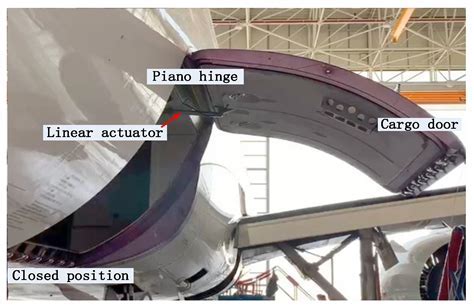
Heavy cargo door operation and nosewheel steering systems are also driven by hydraulic actuators due to the torque required and fine control necessary.
Advantages of Aircraft Hydraulic Systems
Hydraulic systems are preferred over mechanical or electrical systems due to:
-
High Power-to-Weight Ratio: Hydraulics generate immense force without adding excessive mass.
-
Accuracy and Precision: Fluid systems provide smoother and more accurate control inputs.
-
Robustness and Reliability: Hydraulics function reliably under extreme environmental and load conditions.
-
Compact Design: Enables integration into tight spaces with flexible hose routing.
-
Speed of Response: Hydraulic systems can actuate components instantly without delay or electrical lag.
Operational Challenges and Maintenance
Despite their benefits, aircraft hydraulic systems present unique maintenance and operational challenges, requiring rigorous monitoring and upkeep:
Leak Detection and Fluid Loss
Leaks can develop due to seal degradation, hose failure, or component cracks. Visual inspections, pressure checks, and fluid level monitoring are essential.
Contamination Control
Microscopic debris or water ingress can compromise valves and actuators, leading to system failure. Maintenance includes:
-
Filter replacement
-
Fluid sampling and analysis
-
Flushing of contaminated lines
Thermal Management
At high altitudes or on the ground under extreme heat, fluid viscosity changes may reduce system responsiveness. Integrated fluid coolers and heat exchangers mitigate thermal issues.
System Monitoring and Diagnostics
Modern aircraft employ Electronic Centralized Aircraft Monitor (ECAM) or Engine Indicating and Crew Alerting System (EICAS) to continuously monitor hydraulic system performance. Real-time data allows predictive maintenance and rapid fault isolation.
Future Trends in Hydraulic Technology
As aviation leans toward more-electric aircraft (MEA) designs, some hydraulic functions are gradually being replaced by electro-hydrostatic actuators (EHAs) or electro-mechanical actuators (EMAs). However, full hydraulic systems remain dominant in large airliners and military platforms due to their unmatched power density and fail-safe characteristics.
Hybrid systems combining electrical and hydraulic control technologies are emerging, offering weight savings and reduced fluid usage while maintaining performance. Additionally, new fluid formulations and additive manufacturing techniques are enhancing system reliability, environmental compliance, and repairability.
Conclusion
Aircraft hydraulic systems form the essential nerve and muscle network of aviation. These systems enable the operation of complex, heavy, and mission-critical components with unmatched accuracy, responsiveness, and force. From routine braking to emergency gear deployment, hydraulics ensure that flight remains not just possible, but safe and efficient.
As aviation technology evolves, hydraulic systems continue to adapt—incorporating better materials, smarter diagnostics, and integrated backup designs. For aircraft manufacturers, maintenance crews, and flight crews alike, understanding the architecture and operation of these systems is paramount to preserving flight safety and operational excellence.
FAQs
What type of fluid is used in aircraft hydraulic systems?
Aircraft hydraulic systems typically use Skydrol (phosphate ester-based) or MIL-H-5606 (petroleum-based) fluids, chosen for their stability under high temperature, pressure, and altitude conditions.
How often are hydraulic systems inspected?
Hydraulic systems are inspected at every scheduled maintenance interval, with critical elements such as filters, seals, fluid levels, and pressure sensors evaluated during pre-flight checks and major service overhauls.
Can an aircraft operate without hydraulics?
While small aircraft may use mechanical linkages, modern jets heavily rely on hydraulics. In the event of hydraulic failure, redundant systems or emergency backups like accumulators or RATs allow limited operation until the aircraft can land safely.