Understanding Aviation Psychology: The Human Element in Aviation Safety
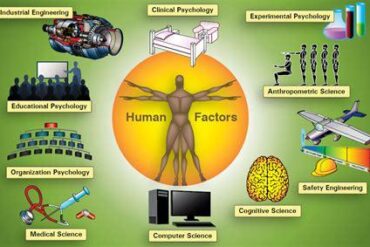
Aviation psychology is a highly specialized subfield of psychology that explores the cognitive, emotional, and behavioral dimensions of individuals operating within the aviation industry. It plays a critical role in enhancing air safety, operational efficiency, and the psychological well-being of aviation personnel and passengers. This field synthesizes concepts from clinical, organizational, and cognitive psychology to address the unique psychological demands of flight.
Aviation psychology’s origins are rooted in military flight operations during the First and Second World Wars, where psychological evaluations were employed to select pilots for combat roles. Today, its scope has dramatically expanded to encompass commercial aviation, space travel, and even passenger behavior dynamics.
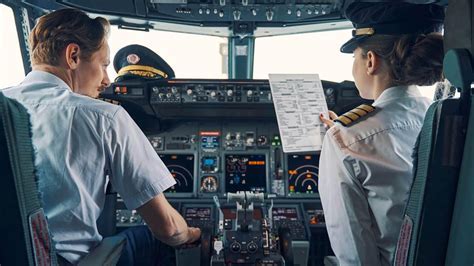
The Unnatural Act of Flying: Psychological Strain at 35,000 Feet
Flight, while commonplace, imposes conditions that are profoundly unnatural to human physiology and psychology. Modern commercial aircraft cruise at altitudes above 10,000 meters, with cabin conditions significantly deviating from ground-level norms. The partial oxygen pressure is 25–30% lower, affecting not only the body but also cognitive performance.
For passengers, this can translate into:
-
Ear barotrauma from pressure changes
-
Jet lag and circadian disruption
-
Motion sickness
-
Psychological discomfort from confinement and proximity to strangers
Flight crew members encounter further stressors such as:
-
Irregular shift work and sleep disturbances
-
Navigating commercial pressures and tight schedules
-
Managing anxious or aggressive passengers
The demands on attention, perception, and decision-making fluctuate wildly during a flight, making mental resilience a pivotal requirement for operational success.
The Role of Aviation Psychologists: Guardians of Mental Airworthiness
Aviation psychologists are entrusted with ensuring that psychological factors do not jeopardize flight safety or performance. Their work begins at recruitment and extends to the entire life cycle of aviation professionals. These experts:
-
Design selection systems for pilots, cabin crew, and air traffic controllers
-
Conduct cognitive and psychomotor assessments
-
Offer counseling and post-incident psychological care
-
Develop team resource management (TRM) strategies
-
Implement peer support and stress management programs
-
Facilitate passenger behavior analysis and communication strategies
Their overarching mission is to embed psychological insight into aviation systems, ensuring both individuals and teams operate at peak psychological capacity.
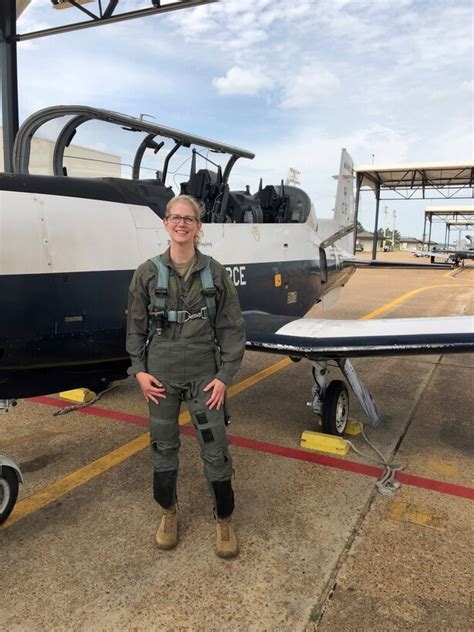
Who Aviation Psychologists Work With: A Wide Reach Across the Industry
According to research by Bor et al. (2020), aviation psychologists provide support across a wide operational spectrum, including:
-
Pilots, co-pilots, and flight instructors
-
Cabin crew and flight attendants
-
Air traffic controllers and security personnel
-
Aircraft engineers and maintenance staff
-
Meteorologists and dispatch teams
-
Inspectors, auditors, and regulatory agents
-
Airport operations and ground handling staff
-
Aircraft designers and manufacturers
Each of these roles contributes uniquely to flight safety and efficiency, and thus each benefits from tailored psychological evaluation and support protocols.
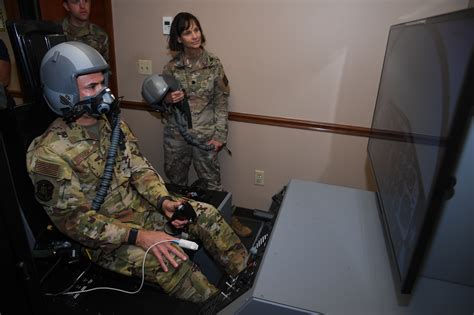
Integrating Subfields of Psychology Into Aviation Operations
The field draws from several major branches of psychology, each contributing specific methodologies and perspectives:
-
Industrial/Organizational Psychology informs recruitment, training, and team performance
-
Social Psychology examines interpersonal interactions, authority gradients, and crew dynamics
-
Health Psychology investigates fatigue, sleep, and occupational stress
-
Intercultural Psychology addresses diversity and communication across multinational crews
-
Clinical Psychology plays a key role in diagnosing and managing psychological disorders
Together, these disciplines provide a multi-dimensional view of human functioning in aviation, enabling comprehensive support systems.
Clinical Psychology in Aviation: Mental Health as a Safety Imperative
The safe operation of an aircraft hinges not only on a pilot’s technical skills but also on mental stability and emotional regulation. Clinical psychologists within the aviation field monitor mental health continuously, detecting early signs of cognitive or emotional dysfunction.
Routine evaluations help identify conditions such as:
-
Depression and anxiety disorders
-
Burnout and chronic fatigue
-
Insomnia and attention deficits
-
Substance misuse or dependency
The devastating crash of Germanwings Flight 9525 in 2015, caused by a co-pilot with undetected psychological pathology, marked a turning point in the industry. Post-incident investigations emphasized the importance of pathological personality screening during pilot selection.

Personality Disorders and Risk in Flight Operations
Various personality disorders can compromise flight safety if not identified and managed:
-
A paranoid pilot may become distrustful of colleagues, undermining team cohesion.
-
A narcissistic aviator might disregard established procedures, believing their judgment to be superior.
-
A dependent co-pilot may hesitate to take necessary action during emergencies, leading to catastrophic delays.
These conditions, while not always immediately apparent, can impair critical functions such as decision-making, situational awareness, and assertiveness, increasing systemic risk.
As such, comprehensive psychological screening and regular mental health evaluations are non-negotiable components of aviation safety protocols.
Interventions: Building Resilience and Psychological Readiness
Aviation psychologists implement a variety of interventions aimed at building psychological resilience and optimizing crew performance:
-
Crisis debriefings following emergencies or critical incidents
-
Fatigue risk management systems (FRMS)
-
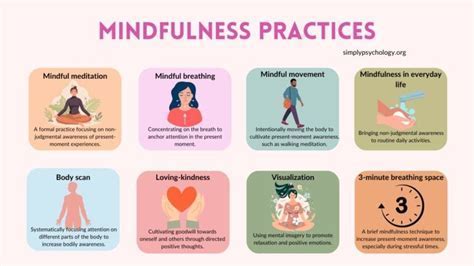
Mindfulness-based stress reduction (MBSR) workshops
-
Emotional regulation and self-awareness training
-
Cognitive-behavioral therapy (CBT) for managing phobias or intrusive thoughts
The success of these interventions hinges on organizational buy-in, continuous research, and the integration of psychological best practices into every level of aviation training and operations.
Conclusion: Aviation Psychology as a Strategic Safety Asset
In an era where aviation incidents can quickly cascade into global tragedies, the psychological fitness of aviation personnel is paramount. Aviation psychology is not a luxury or an afterthought—it is a strategic necessity. Through advanced assessment tools, personalized support systems, and empirical research, aviation psychologists safeguard not only the minds of those who fly but also the lives of the passengers they carry.
As we move toward increasingly autonomous and AI-integrated cockpits, the role of aviation psychology will evolve, but its foundational mission will remain unchanged: to understand and support the human being behind the controls.
FAQ
What is the main role of aviation psychologists?
Aviation psychologists assess, support, and optimize the psychological health and performance of aviation personnel. They are instrumental in recruitment, crisis management, crew coordination, and maintaining safety standards through mental health monitoring.
Why is mental health so important in aviation?
Mental health directly influences decision-making, perception, communication, and stress tolerance. In aviation, where even minor lapses can have catastrophic outcomes, psychological stability is a cornerstone of operational safety.
How often are pilots psychologically evaluated?
Pilots undergo initial psychological screenings during recruitment and periodic evaluations throughout their careers. These assessments vary by country and airline but are increasingly rigorous following high-profile incidents linked to mental health conditions.