Understanding Human Factors Psychology
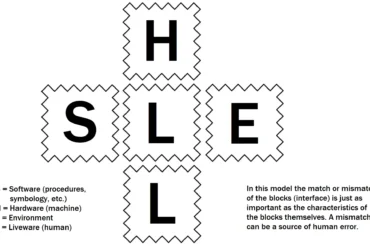
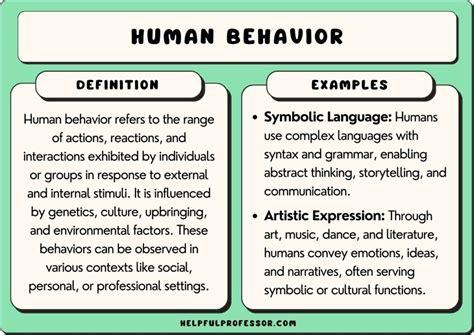
Human factors psychology is a vital subfield of applied psychology that examines the dynamic interplay between humans and systems, environments, or machines. Unlike clinical or counseling psychology, its focus lies not in diagnosing mental disorders but in enhancing safety, usability, and performance within technological or organizational systems.
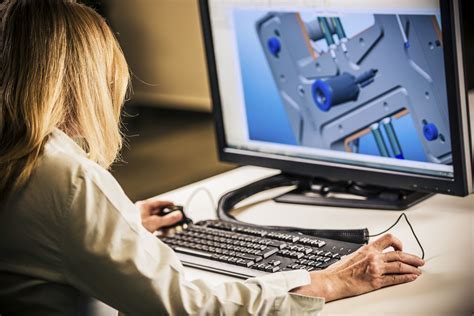
At its core, human factors psychology analyzes cognitive, perceptual, and motor limitations to inform the design of products, interfaces, workspaces, and systems. By aligning engineering decisions with psychological principles, this discipline ensures humans can interact with technology efficiently and safely.
The term “human factors” is frequently interchanged with “ergonomics,” particularly in European contexts. Regardless of terminology, the goal remains consistent: optimize design by placing human needs and capabilities at the forefront.
The Origins and Evolution of Human Factors Psychology
The roots of human factors psychology trace back to World War II, a period when engineers, psychologists, and military strategists collaborated to improve operator performance in high-stakes scenarios. Poorly designed cockpits and confusing controls led to preventable errors—highlighting the need to account for human limitations in design.
Post-war, this field expanded into civilian domains. As computer systems grew more complex, the demand for insights into human-computer interaction surged. The Human Factors and Ergonomics Society (HFES), established in 1957, became a pivotal organization championing research and best practices across industries.
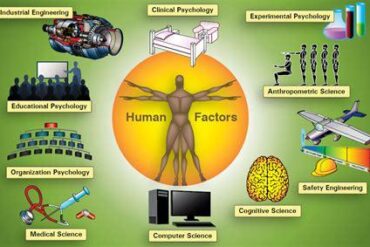
Today, the field integrates cognitive psychology, industrial engineering, systems design, and user experience (UX), extending its influence to aviation, healthcare, automotive design, software development, and occupational safety.
Real-World Human Factors Psychology Example: Redesigning a Power Plant Interface
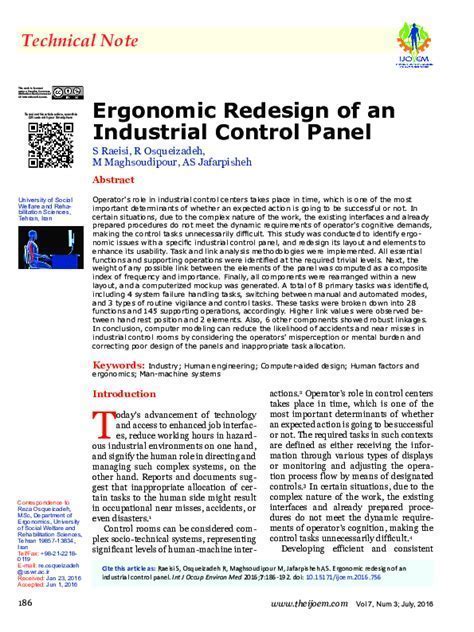
Consider the case of a human factors psychologist evaluating the digital interface used by technicians at an electrical power plant. Initially, the interface displayed critical data in a cluttered format, requiring excessive scrolling and mental calculations. Errors were common, ranging from missed alerts to improper responses during voltage surges.
The psychologist conducted extensive task analysis, eye-tracking studies, and cognitive load assessments. Findings revealed that workers were experiencing decision fatigue and cognitive overload.
Following evidence-based redesign, the new interface implemented:
-
Color-coded alerts for immediate hazard recognition
-
Simplified layouts prioritizing key operational metrics
-
Predictive automation to assist decision-making
-
Redundant systems to reduce the likelihood of catastrophic single-point failures
As a result, error rates dropped by 37%, and response times to critical events improved by 42%. This example showcases the tangible value of human factors in life-critical environments.
Key Domains of Human Factors Psychology
Cognitive Engineering
This branch focuses on designing systems that align with mental models, information processing capacities, and attention spans. It plays a pivotal role in software, control rooms, aviation dashboards, and medical devices.
Ergonomics
This area is concerned with physical interactions between humans and tools or environments. From desk chairs to cockpit seats, ergonomics ensures equipment minimizes fatigue and supports biomechanical health.
Human-Computer Interaction (HCI)
HCI explores how individuals engage with digital technologies—from smartphones and tablets to augmented reality interfaces. HCI experts ensure interfaces are intuitive, accessible, and user-centered.
Industrial-Organizational Psychology
Although broader in scope, I-O psychology intersects with human factors when evaluating employee productivity, safety protocols, and the efficacy of training programs.
User Experience (UX) Engineering
UX engineering emphasizes how users feel when interacting with a product or system. Human factors psychologists in this domain work closely with designers to enhance satisfaction and task success.
Applications Across Industries
Human factors principles are deeply embedded in numerous sectors:
-
Aerospace: Designing cockpits and flight instruments for spatial awareness and error recovery.
-
Healthcare: Optimizing surgical tools, medical records systems, and patient monitoring devices to reduce medical errors.
-
Automotive: Crafting dashboard displays and driver-assist technologies with clear affordances.
-
Military and Defense: Ensuring soldier interfaces and command systems function under extreme stress.
-
Consumer Electronics: Developing smartphones, ATMs, or kiosks that are easily operable by diverse populations.

Career Pathways in Human Factors Psychology
Becoming a human factors psychologist typically begins with a bachelor’s degree in psychology or engineering, followed by a master’s or Ph.D. in human factors, cognitive psychology, or ergonomics. Programs accredited by HFES—like those at Virginia Tech, Clemson University, and George Mason University—provide robust academic foundations.
Professionals may find employment in:
-
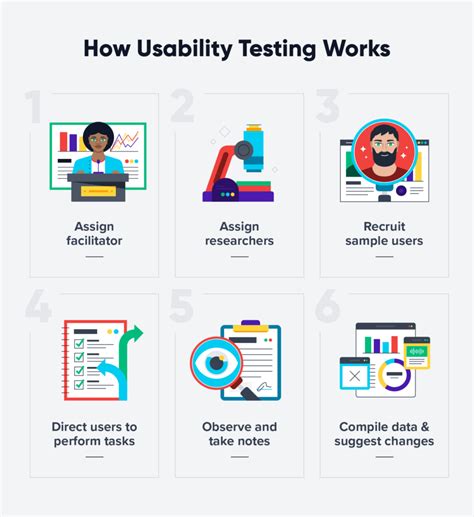
Research institutions conducting usability trials
-
Government agencies designing defense systems
-
Private corporations improving consumer tech
-
Consulting firms offering design evaluations and user research

Salary and Demand Trends
As of 2024, human factors psychologists command a substantial average salary of $154,056 annually in the United States. Hourly, this equates to about $74 per hour, a figure far exceeding the national median wage. This salary reflects not just demand but also the complexity and impact of the work involved.
Factors influencing salary include:
-
Level of education (Ph.D. vs. Master’s)
-
Industry (aerospace and defense often pay more than academia)
-
Geographic location (urban tech hubs yield higher compensation)

Why Human Factors Psychology Matters
In a world increasingly reliant on complex systems and automation, human error remains a leading cause of failure. Rather than blaming the user, human factors psychology seeks to redesign the system to accommodate human behavior.
Whether it’s reducing surgical errors, preventing aircraft crashes, or simplifying consumer tech, the field ensures that human limitations are not fatal flaws, but design parameters. It is through this lens that we can build a world that is both advanced and profoundly human-centered.
Frequently Asked Questions
What is an example of human factors psychology in action?
A classic example is the redesign of aircraft cockpits during World War II. Pilots frequently crashed due to similar-looking gear and flap levers. By changing their shape and spacing, confusion was reduced, and safety improved. More recently, redesigning digital medical record systems has helped reduce physician burnout and patient errors.
What education is needed to become a human factors psychologist?
A minimum of a bachelor’s degree in psychology or a related field is required, but most positions demand a master’s or doctoral degree in human factors psychology, cognitive psychology, or ergonomics. Accredited graduate programs provide training in user research, statistical methods, and applied design science.
What industries hire human factors psychologists?
Industries with safety-critical systems or high user interface complexity frequently hire human factors professionals. These include aviation, automotive, healthcare, consumer technology, defense, transportation, and software development. Increasingly, the tech sector is recognizing the value of psychological insights in product design.