Understanding the Value of a Masters in Human Factors Psychology
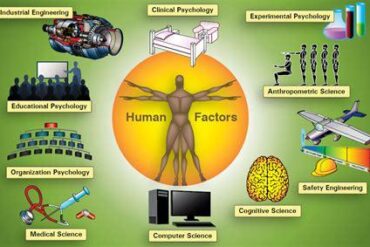
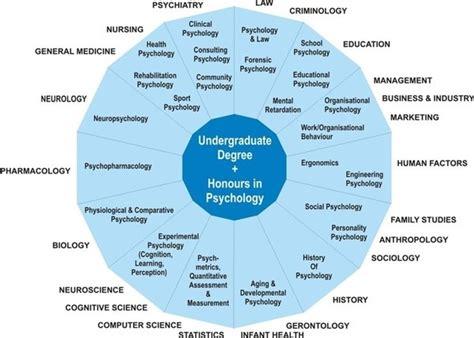
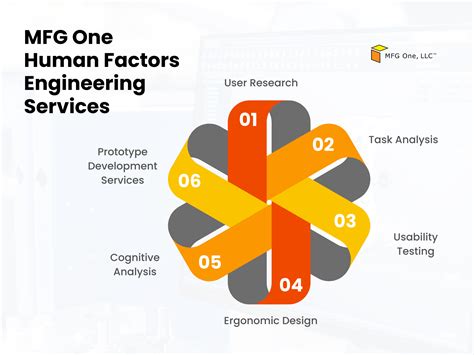
In a rapidly evolving world where technology, healthcare, defense, and transportation increasingly intersect with cognitive psychology, a Masters in Human Factors Psychology (MSHF) emerges as a uniquely powerful degree. This advanced program focuses on optimizing human interaction with systems, from cockpit interfaces in aircraft to robot-assisted surgical equipment, and everything in between. It is not a generic psychology degree—it is a multidisciplinary framework that blends psychology, engineering, design, and user experience (UX) into actionable expertise.
Many graduates from psychology backgrounds often find themselves at a career crossroads—interested in cognitive applications, yet unsure of how to specialize in a way that leads to high-impact roles. In such scenarios, the MSHF stands out not merely as a qualification but as a gateway into industries where precision human input is mission-critical.
Why Embry-Riddle’s MSHF Stands Out
Among the programs available, the Embry-Riddle Aeronautical University (ERAU) online Masters in Human Factors Psychology commands significant attention. Known for its strong presence in aerospace and defense, ERAU has built an educational ecosystem that places human-systems performance at its core. While some may initially hesitate due to the online modality, ERAU’s Worldwide Campus mirrors the curriculum of its in-person counterpart. The degree’s industry recognition outweighs concerns about format, especially when paired with hands-on research or internship collaborations.
The degree opens doors not only in aviation but in sectors such as:
-
Defense and military ergonomics
-
Healthcare and surgical robotics
-
Transportation systems
-
Energy and nuclear monitoring
-
Artificial Intelligence systems design
We must emphasize: ERAU’s alumni network is exceptionally strong. It spans across Lockheed Martin, Sikorsky, Medtronic, and numerous defense agencies. Graduates often land roles such as Human Factors Design Engineer, HMI Specialist, or Cognitive Systems Analyst, roles commanding six-figure salaries within five years of graduation.
Career Prospects: Is It Worth the Investment?
The anxiety many students express—especially those from traditional psychology BAs—is valid. Graduate education is expensive, and the job market feels saturated. Yet, when it comes to Human Factors, the employment dynamics shift. The marketability of an MSHF degree hinges on its applicability to real-world problem solving. Graduates find opportunities in:
-
Medical device development: especially with companies like Medtronic, Stryker, or Intuitive Surgical
-
Defense technology: with employers such as Raytheon, Northrop Grumman, or DARPA
-
Transportation design: working on ergonomics and safety systems for aviation, rail, and automotive firms
-
AI and automation: in roles evaluating the human trust interface in machine learning systems
We see firsthand accounts of individuals who, even during their coursework, secured internships or transitioned into adjacent roles, gaining critical experience that amplifies the value of the MSHF.
Regional Considerations: Do You Need to Relocate?
Another key factor raised by prospective students is geography. It’s true—Human Factors roles tend to be concentrated around major metros and research hubs. Cities like Chicago, San Diego, Boston, and Washington D.C. host clusters of defense contractors, medical device firms, and transportation regulators. That said, remote and hybrid roles are increasingly viable, particularly in software UX and telemedicine interface design. But if you’re aiming for labs, simulators, or physical systems design, relocation may be required.

Industry Demand: A Multisectoral Skillset
The cross-functional nature of Human Factors Psychology cannot be overstated. Employers are not simply hiring psychologists—they’re seeking specialists in human cognition within complex systems. Here’s how the demand plays out across sectors:
Healthcare
With an aging population and expanded medical technology, companies need experts to reduce user error and streamline interface design for devices like infusion pumps, MRIs, and surgical robots.
Defense
As military platforms incorporate AI and automation, there’s an acute need for engineers who can design pilot support systems, command interfaces, and drone operation panels with psychological precision.
Aerospace
Organizations like NASA, Boeing, and Airbus seek human factors psychologists for flight simulation design, spacecraft usability testing, and crew system integration.
AI & Tech
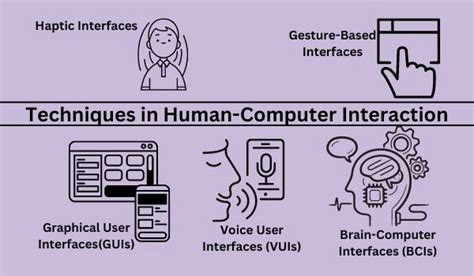
Startups and tech giants alike are investing in HCI (Human-Computer Interaction) and HFE (Human Factors Engineering) to make AI interpretable and human-in-the-loop friendly.

The Gender Gap and Industry Culture
A less-discussed but very real concern in the Human Factors field is gender equity. Many of the industries hiring MSHF graduates—especially defense, aerospace, and transportation—are historically male-dominated. Female professionals report challenges ranging from subtle biases to overt exclusion in both academic and industry settings. However, we are seeing incremental change. Initiatives promoting STEM diversity, targeted fellowships, and corporate DEI mandates are helping. But any prospective student—especially women—should enter with strategic awareness of these dynamics.
The Research Component: Where the Real Learning Happens
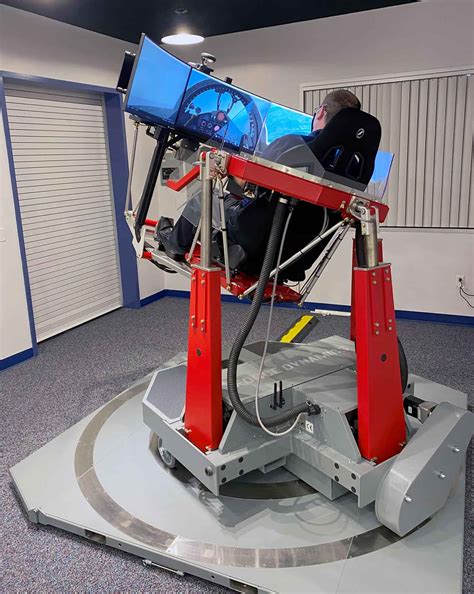
Perhaps the greatest differentiator in a strong MSHF program is research integration. While coursework lays the theoretical foundation, it’s the design, execution, and analysis of real-world studies that solidify competence. Whether evaluating eye tracking in cockpit interfaces, analyzing gesture-based control in surgical settings, or mapping stress responses in control room operators, research is where theory meets application.
ERAU students report that research partnerships with external firms and internal labs catalyze their career confidence and professional network. For those choosing the online format, seeking independent research projects, internships, or even cooperative thesis programs is essential to achieving similar outcomes.
Final Thought: Aligning Passion with Practicality
If you are considering an MSHF because you love cognition, usability, and systems thinking, then it’s likely the right direction. But beyond passion lies the pragmatic reality: without a graduate degree, entry-level roles in this niche field are scarce. Many BA/BS graduates find themselves redirected into marketing, sales, or general UX support, often lacking the credentials to engage in design-critical conversations. A Master’s degree in Human Factors, especially from a recognized institution like ERAU, positions you above the noise.
FAQ
Is a Masters in Human Factors Psychology worth it in 2025?
Yes—particularly if you’re interested in applied psychology careers in defense, healthcare, transportation, or aerospace. While the upfront cost is significant, the long-term ROI in terms of salary, job stability, and intellectual fulfillment is strong. Most roles in this space require a master’s-level understanding of systems and cognition.
Can I work in Human Factors with just a BA or BS?
It’s possible, but challenging. Entry-level roles exist, often under job titles like HFE assistant or ergonomics associate, but advancement is limited. Most professionals report that without an MSHF or equivalent, it’s hard to break into core design or research positions.
Do I need to relocate for Human Factors jobs?
In many cases, yes. The most active hubs for HF roles are in cities tied to defense and healthcare clusters—San Diego, Boston, Chicago, D.C., Seattle, etc. That said, the growth of remote work and telehealth is opening new hybrid and fully remote roles, particularly in UX and software-integrated systems.