Understanding Human Factors in Aviation
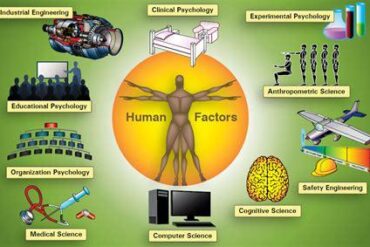
In modern aviation, human factors represent a core pillar in the pursuit of operational safety and system reliability. These factors encompass the broad spectrum of psychological, physiological, and ergonomic principles that influence the behavior and performance of pilots, air traffic controllers, maintenance technicians, and all personnel involved in flight operations.
The Federal Aviation Administration (FAA) has increasingly emphasized the importance of human factors through its Aviation Safety (AVS) division. By integrating human performance considerations into aircraft design, maintenance procedures, flight operations, and certification standards, the FAA aims to reduce human error—the most consistent contributor to aviation accidents.
The FAA’s Commitment to Human-Centric Safety
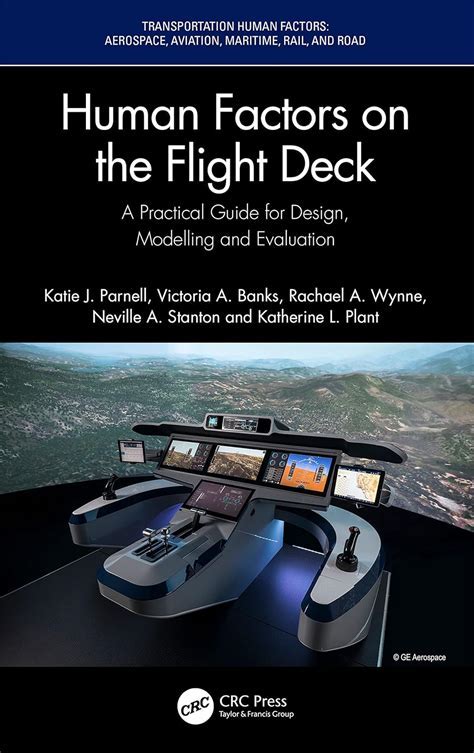
The FAA’s AVS organization houses a team of human factors specialists who are tasked with addressing systemic vulnerabilities that originate from or affect human behavior. These professionals possess deep expertise in evaluating aircraft systems, procedural frameworks, and operational environments. Their responsibilities span:
- Designing and assessing flight deck interfaces
- Reviewing pilot and mechanic performance metrics
- Supporting the creation of aviation safety regulations
- Recommending training enhancements for operational personnel
Within the FAA, various departments such as the Aircraft Certification Service (AIR), the Flight Standards Service, and Aerospace Medical and Human Factors Research collaboratively work to improve the human-machine interface and optimize procedures to match human capabilities.
Flight Deck Automation: Managing Complexity
One of the most impactful changes in modern aviation is the widespread integration of flight deck automation systems. These systems—while reducing pilot workload and improving precision—have introduced new challenges related to situational awareness, trust, and system dependency.
The PARC/CAST Flight Deck Automation Working Group, under FAA oversight, conducted an extensive review of flight operations data dating back to 1996. Their final report on the Operational Use of Flight Path Management Systems identified key automation-induced risks:
- Overreliance on automation leading to loss of manual flying proficiency
- Mode confusion due to poor interface feedback
- Delayed reaction during unexpected system transitions or failures
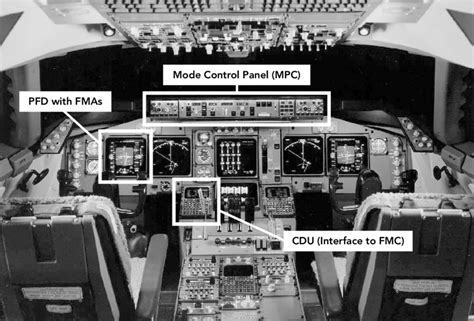
The group’s data-driven findings led to actionable recommendations aimed at improving training syllabi, redesigning flight displays, and updating certification requirements. These insights remain foundational to FAA human factors policy.
Designing Flight Deck Interfaces: Ergonomics and Cognitive Load
A central concern of human factors engineering is the design of flight deck displays and controls. Version 2.0 of the FAA’s “Human Factors Considerations in the Design and Evaluation of Flight Deck Displays and Controls” provides comprehensive guidelines for optimizing user interface design.
This guidance incorporates:
- Cognitive psychology to ensure information is presented in a way that matches pilot decision-making processes
- Ergonomic standards to reduce physical strain during prolonged flight
- Color theory and layout dynamics to minimize visual fatigue and maximize data prioritization
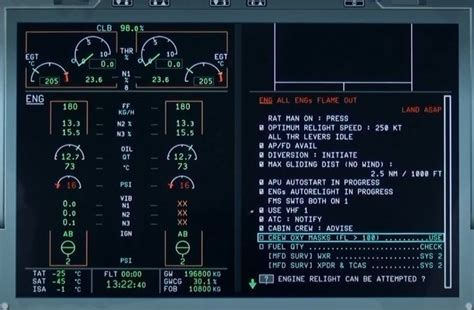
Designing for human users also means accounting for error management. Displays must not only alert pilots to problems but also support rapid comprehension and resolution, especially in time-sensitive scenarios.
Regulatory Framework and Certification Standards
The FAA’s human factors protocols are deeply embedded in the Title 14 Code of Federal Regulations (14 CFR), which outlines requirements for aircraft certification, pilot licensing, and operational standards. This framework mandates that all certified aircraft and equipment:
- Be operationally intuitive to prevent cognitive overload
- Include safeguards against inadvertent input or action
- Provide redundant yet non-conflicting feedback in critical systems
These principles are applied throughout the design approval and certification lifecycle, from production to continued airworthiness assessments. Moreover, policies are continually updated based on the findings of accident investigations and industry feedback.
Maintenance Human Factors: Preventing the Invisible Failures
Aviation maintenance is another domain where human factors are pivotal. Errors in this area often go unnoticed until they manifest during flight, posing severe risks. The FAA mandates training in human factors for all certified mechanics, emphasizing themes such as:
- Fatigue management and circadian rhythm awareness
- Standardized communication protocols during shift changes
- Tool and parts accountability systems to reduce omissions
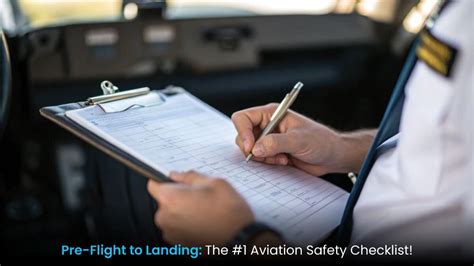
Additionally, human-centered design is incorporated into maintenance documentation, ensuring clarity and minimizing the likelihood of misinterpretation during repairs or inspections.
Human Factors in Air Traffic Management
While much focus is placed on pilots and engineers, air traffic controllers (ATC) also operate in highly demanding cognitive environments. Human factors research supports NextGen systems that aim to reduce ATC workload, optimize voice-data communication, and enhance predictive decision support tools.
The FAA’s Human Factors Division within the NextGen Organization (ANG-C1) spearheads these initiatives by evaluating controller task loads, interface designs, and the cognitive demands of managing dense airspace traffic.
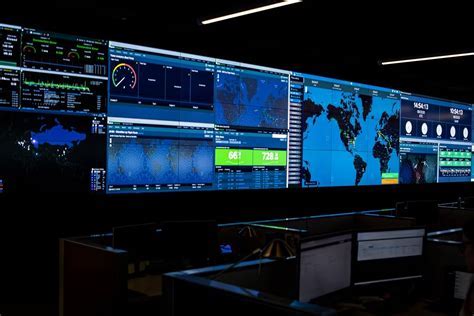
These innovations are critical in preventing information bottlenecks and maintaining situational awareness, especially under high-traffic conditions or when handling flight anomalies.
Psychological and Physiological Aspects of Human Factors
Human performance is also shaped by physiological limits and psychological resilience. Aviation medicine, under the FAA’s Office of Aerospace Medicine (AAM), explores how variables such as hypoxia, dehydration, stress, and emotional fatigue affect flight safety.
Current research initiatives investigate:
- The effects of sleep deprivation on reaction time and decision-making
- Cognitive impacts of altitude-related hypoxia in pressurized cabins
- Stress inoculation training as a countermeasure to in-flight emergencies
These efforts directly inform certification medical standards and training requirements, ensuring that personnel are both mentally and physically prepared for their duties.
The Evolution of Human Factors Policy
From its early focus on crash survivability and pilot error, human factors science has evolved into a comprehensive discipline that touches every layer of aviation safety. The FAA’s multipronged approach—including research, regulation, and training—continues to adapt to new technologies, global operations, and evolving threat landscapes.
Key milestones in policy evolution include:
- Incorporation of Safety Management Systems (SMS) to institutionalize human error reporting
- Introduction of LOSA (Line Operations Safety Audit) frameworks that observe crews in non-punitive environments
- Data analytics integration through Flight Data Monitoring (FDM) to identify precursors to error
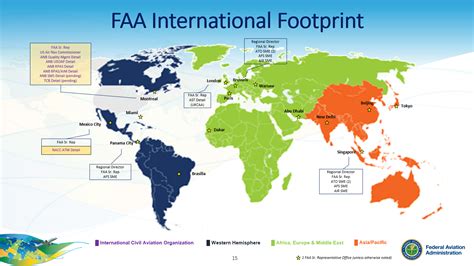
The FAA’s collaborations with aircraft manufacturers, commercial operators, and international bodies ensure that human factors integration remains aligned with both domestic regulations and global safety standards.
Frequently Asked Questions
What are human factors in aviation?
Human factors in aviation refer to the study of how humans interact with various elements of the aviation system. This includes physical interactions with aircraft, cognitive decision-making, communication, workload, and the overall human-machine interface. The goal is to optimize performance and reduce errors.
Why is automation a concern for human factors specialists?
While automation increases efficiency, it can lead to overreliance, reduced manual flying skills, and confusion about system behavior. Human factors specialists study these interactions to improve interface design, pilot training, and system logic to prevent misunderstandings or misuses of automated systems.
How does the FAA apply human factors in maintenance operations?
The FAA integrates human factors training into mechanic certification and procedural development. This includes attention to fatigue, communication, documentation clarity, and workspace ergonomics to reduce human errors during aircraft maintenance and inspection activities.