In the high-stakes world of aviation, where safety, efficiency, and longevity of aircraft systems are paramount, non-destructive testing (NDT) plays a pivotal role. By enabling detailed inspection and flaw detection without damaging components, NDT ensures airworthiness, cost efficiency, and regulatory compliance across all phases of an aircraft’s lifecycle.
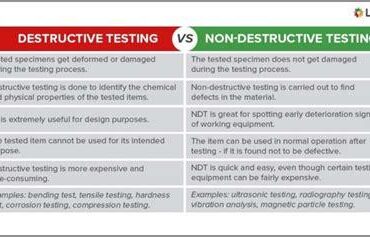
The use of destructive testing, although valuable for understanding physical limits, is often impractical in aviation where components are expensive, limited in quantity, and mission-critical. NDT techniques allow engineers to inspect, evaluate, and monitor the integrity of materials and structures—without impairing their functionality. This approach is indispensable in both commercial and military aviation.
Importance of NDT in Aircraft Lifecycle
From aircraft design and material qualification to in-service maintenance and overhaul, non-destructive testing is utilized at every stage. During development, engineers depend on NDT to evaluate novel composite materials and lightweight structures, ensuring their durability without resorting to destructive methods. During manufacturing, these techniques verify the quality of joins, welds, and fabricated components, while in service, technicians rely on NDT to detect fatigue cracks, corrosion, and structural anomalies that could otherwise lead to catastrophic failures.
Surface vs. Subsurface Inspection Techniques in Aerospace NDT
Non-destructive testing methods fall into two broad categories: surface and subsurface techniques. Each encompasses a variety of tools and methodologies tailored to specific materials, defect types, and inspection environments.
Visual Inspection: The Frontline of Aviation Safety
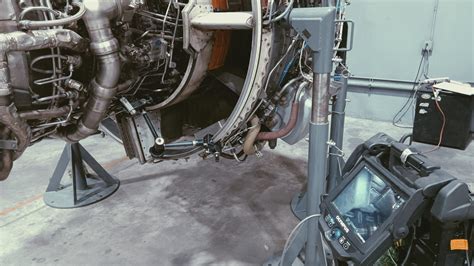
The most fundamental NDT method, visual inspection, remains a frontline technique in aviation maintenance. Human visual acuity, often augmented by magnifying glasses, borescopes, mirrors, and video-enhanced systems, enables identification of surface cracks, corrosion, and deformation. Technicians use remote viewing systems and charge-coupled devices to inspect confined areas, including engine interiors and fuel tanks.
Liquid Penetrant Testing: Simple Yet Invaluable
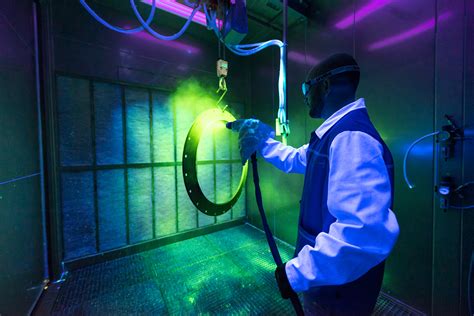
Liquid penetrant testing involves applying a dye solution to the surface of a part. The dye infiltrates microscopic cracks, and after cleaning the surface, any remaining dye reveals flaws under ultraviolet or white light. Fluorescent dyes enhance detection sensitivity and are especially useful in inspecting non-porous alloys and composites. The flexibility of this method allows its application both in the hangar and on the flight line, making it ideal for routine checks and post-cleaning evaluations.
Acoustic Emission Testing and Tap Tests
Acoustic emission testing, often called the tap test, applies localized force and records stress waves emitted by the material in response. While basic tests rely on technician auditory assessment, advanced systems deploy multiple sensors and real-time waveform analysis to pinpoint deformations or delaminations. This method is especially suited for evaluating composite structures, where traditional techniques might fail.
Radiographic Testing and 3D Computed Tomography (CT)
Radiographic inspection employs X-rays or gamma rays to visualize the internal structure of a component. Traditional film-based radiography is now giving way to digital radiography, offering faster imaging and improved defect characterization. 3D computed tomography (CT) enhances this further by creating high-resolution cross-sectional images, allowing virtual dissection of components and accurate localization of flaws.
Ultrasonic Testing: Penetrating the Depths of Aerospace Components
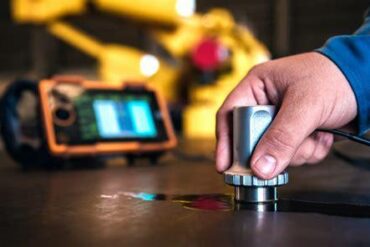
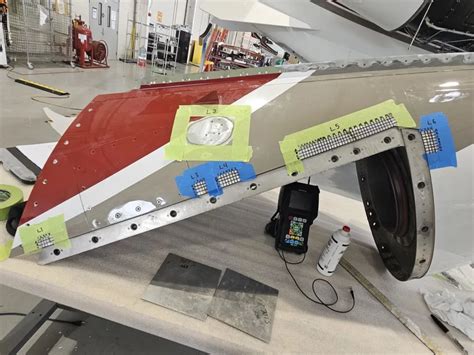
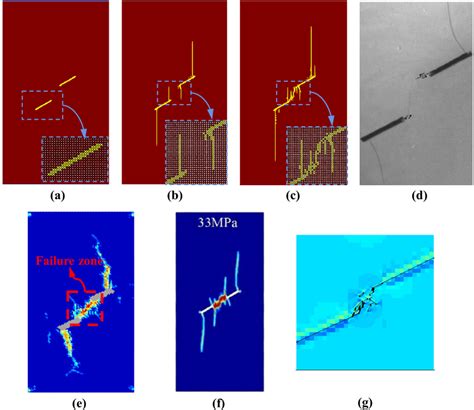
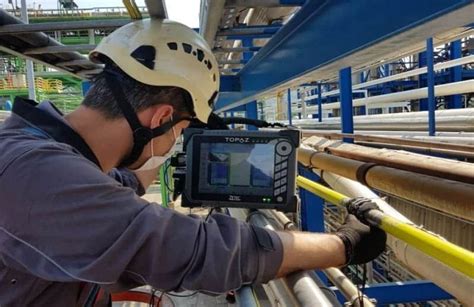
Ultrasonic testing uses high-frequency sound waves to identify subsurface defects. Variants include straight beam, immersion, and phased array ultrasonic testing (PAUT). In aerospace, ultrasonic testing is critical for assessing bond integrity, welds, fasteners, and laminated composite panels. The use of automated scanners and RollerFORM tools allows comprehensive and repeatable inspection over large surfaces.
Magnetic Particle Inspection: Detecting Flaws in Ferromagnetic Materials
For ferromagnetic parts such as landing gear, engine mounts, and airframe brackets, magnetic particle testing offers a fast and reliable method. By inducing a magnetic field and applying fluorescent or colored particles, technicians can detect surface and slightly subsurface cracks. Devices like yokes, prods, and coils vary depending on the object’s geometry and size.
Eddy Current Testing: Precision in Crack and Corrosion Detection
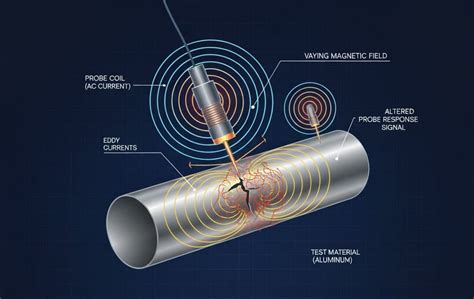
Eddy current testing is ideal for detecting fatigue cracks, corrosion, and material thinning in electrically conductive materials. This technique is particularly valuable during scheduled airframe maintenance and engine inspections. It allows rapid, contactless detection of hidden flaws beneath surface coatings without removing paint or insulation.
Vibration Analysis and Predictive Maintenance
Vibration analysis identifies deviations in rotating machinery performance by analyzing vibration signatures. Sensors such as accelerometers and eddy current proximity probes monitor shaft dynamics, allowing engineers to detect bearing wear, imbalances, or misalignments before failure. This non-invasive monitoring supports condition-based maintenance (CBM) programs across fleets.
Thermal/Infrared Testing: Mapping Heat Anomalies
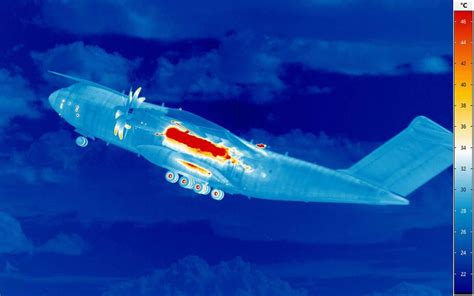
Infrared thermography captures surface temperature profiles, exposing defects like delamination, voids, and corrosion through thermal discontinuities. Aircraft systems such as electrical circuits, hydraulic lines, and composite fuselage panels benefit from infrared testing due to its ability to detect developing issues invisible to the naked eye.
Laser-Based Techniques: Holography and Shearography
Advanced NDT methods such as laser holography and shearography utilize coherent light to analyze surface deformation under stress conditions. Shearography is especially useful for inspecting large composite structures like radomes and fairings. These methods are sensitive enough to detect minute flaws in the micrometer range, which are critical in high-stress environments.
Global Standards and Training in Aviation NDT
Given the critical nature of aircraft safety, international standards ensure uniformity in NDT practice across the aviation industry. Leading bodies include:
- American Society for Nondestructive Testing (ASNT)
- British Institute of Non-Destructive Testing (BINDT)
- International Committee for NDT (ICNDT)
- European Federation for NDT (EFNDT)
- ISO and ASTM International
Certification frameworks such as SNT-TC-1A define three levels of technician qualifications, outlining specific competencies, from basic inspection to interpretation and supervisory responsibilities. Programs like ASNT’s ACCP standardize NDT personnel qualifications globally.
Conclusion: A Non-Negotiable in Aviation Safety
Non-destructive testing is an irreplaceable component of modern aviation. From the earliest design phases through the full operational life of an aircraft, it guarantees structural integrity without sacrificing usability. As technology advances—ushering in automated robotics, AI-enhanced detection, and digital twins—the scope and accuracy of NDT will continue to evolve. Yet, traditional methods still hold firm, their simplicity and effectiveness ensuring their continued relevance.
The aviation industry’s uncompromising focus on safety demands rigorous adherence to standards, continuous personnel training, and ongoing innovation in testing techniques. As aircraft become more complex, and as fleets age, the role of NDT becomes not just supportive, but absolutely essential for a safe, reliable, and sustainable future in aerospace.