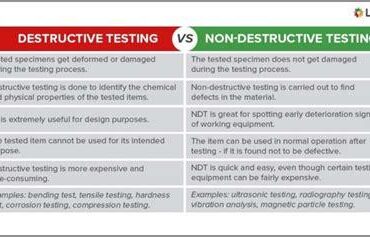
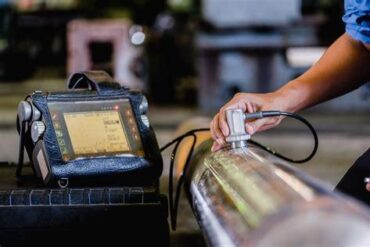
Non-Destructive Testing (NDT) stands as a cornerstone of modern engineering quality assurance, allowing professionals to evaluate materials, components, and systems without altering or damaging their functional integrity. Across critical sectors like aerospace, oil and gas, automotive, and power generation, NDT ensures structural soundness, operational safety, and regulatory compliance without the cost of destruction.
At its core, NDT encompasses a spectrum of scientific techniques, each drawing upon principles from physics, chemistry, and mathematics to detect discontinuities, identify material properties, and monitor integrity. As industrial systems become more complex, the demand for accurate, non-invasive diagnostics continues to expand.
Thermal and Infrared Testing: Mapping Heat to Find Hidden Defects
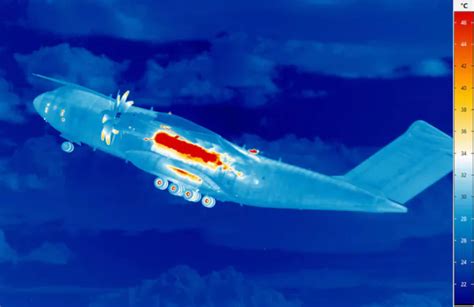
Thermal/Infrared Testing (IR) utilizes thermographic imaging to detect variations in surface temperature, which often correlate with subsurface anomalies like delamination, corrosion, or cracks. This technique can be performed via passive (natural thermal radiation) or active (externally induced heat sources) thermography, with the latter providing higher resolution for internal defects.
In aerospace, flash thermography helps locate disbonds in fuselage panels. In microelectronics, it visualizes heat generation inconsistencies that may signify circuit failure. In automotive manufacturing, IR imaging evaluates laser weld quality and composite structures, aiding both development and routine inspection cycles.
Radiographic Testing: Penetrating Vision with X-rays and Gamma Rays
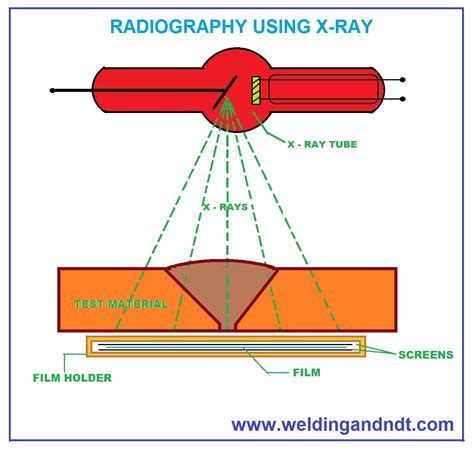
Radiographic Testing (RT) deploys either X-radiation or gamma radiation to penetrate dense materials. Upon interacting with a detector or photographic film, these rays produce a shadowgraph, revealing hidden flaws like voids, porosity, or foreign inclusions.
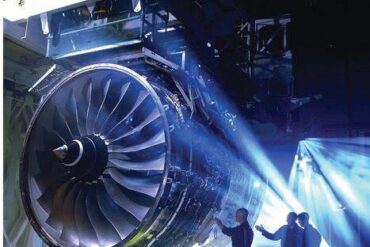
Industrial applications of RT are vast. In pipeline fabrication, RT ensures weld quality and material consistency. Computed tomography (CT) scanning, a more advanced variant, offers three-dimensional internal visualization, making it indispensable in aerospace turbine blade inspections or critical defense components.
Visual Inspection: The First Line of Defense in NDT
Visual Inspection (VT) remains the most widely used form of NDT. Whether through direct observation or aided by borescopes and video probes, VT identifies obvious surface flaws such as cracks, corrosion, wear, or distortion.
In routine machinery maintenance, technicians inspect gearboxes, housings, and structural joints visually before escalating to more complex tests. Remote Visual Inspection (RVI) offers enhanced safety by allowing inspections in hazardous environments, such as nuclear containment vessels or pressurized boiler systems.
Leak Testing: Listening and Watching for Escaping Fluids
Leak Testing evaluates the integrity of sealed systems and is crucial in applications where containment of gases or liquids is vital. Methods range from bubble tests using soap solutions to ultrasonic detectors, helium mass spectrometry, and pressure decay systems.
Industries dealing with pharmaceutical packaging, gas turbine housings, or semiconductor vacuum chambers rely on this method to prevent hazardous emissions, product contamination, or performance loss. Properly conducted, leak testing uncovers micro-leaks as small as 10^-9 atm-cc/sec.
Acoustic Emission Testing: Listening to Material Stress
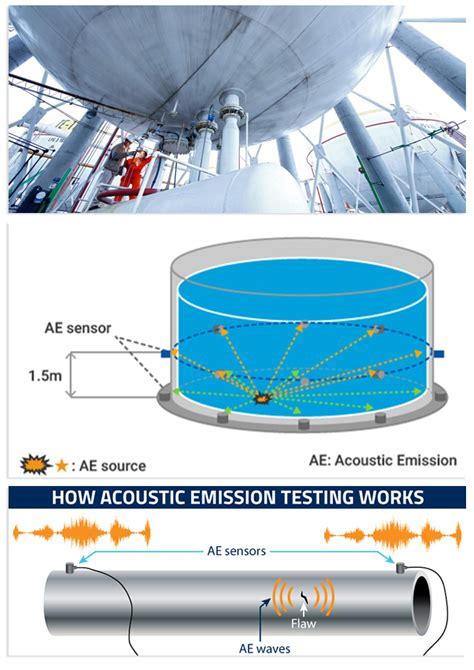
Acoustic Emission (AE) Testing identifies defects by detecting high-frequency sound waves emitted from crack formation, fiber breakage, or plastic deformation. Sensors attached to a structure monitor these emissions in real time, triangulating their origin and severity.
Used in composite pressure vessels, bridge cables, and metal pipelines, AE is ideal for real-time structural monitoring under load. Its strength lies in evaluating dynamic responses—identifying flaws as they occur rather than as they exist statically.
Ultrasonic Testing: Echoes That Reveal the Invisible
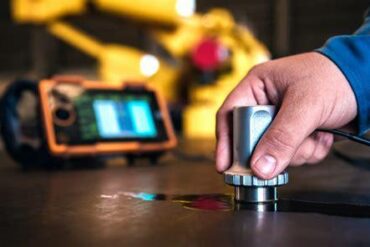
Ultrasonic Testing (UT) relies on high-frequency sound waves to detect subsurface flaws, measure wall thickness, or determine material properties. A transducer emits pulses into the material, and the return echo is analyzed for discontinuities.
UT is particularly effective for weld inspection, corrosion mapping, and composite integrity checks. Phased array ultrasonic testing (PAUT) and time-of-flight diffraction (TOFD) offer enhanced flaw sizing and imaging. Industries like rail transport, shipbuilding, and wind turbine manufacturing use UT for its depth penetration and quantitative accuracy.
Magnetic Particle Inspection: Visualizing Magnetic Field Distortions
Magnetic Particle Testing (MT) detects surface and near-surface discontinuities in ferromagnetic materials. When a magnetic field is induced in the specimen, flaws cause leakage fields. Sprinkled iron particles gather along these field lines, revealing defect patterns.
MT is indispensable in the inspection of steel forgings, boiler tubes, pressure vessels, and military-grade equipment. Portable kits allow on-site inspection, while wet-method bench systems offer high sensitivity for laboratory evaluations.
Liquid Penetrant Testing: Dye That Exposes the Surface Secrets
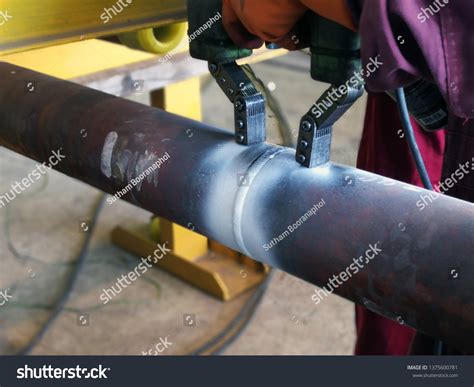
Liquid Penetrant Testing (PT) reveals surface-breaking defects in non-porous materials by applying a fluorescent or visible dye. The dye penetrates flaws, and after removal of excess liquid, a developer draws it out, highlighting discontinuities.
Widely used in weld integrity assessment, aerospace maintenance, and machined surface inspections, PT is cost-effective and simple to apply. Its sensitivity to fine cracks, porosity, and incomplete fusion makes it valuable during final quality checks.
Eddy Current Testing: Electromagnetic Probing for Flaws
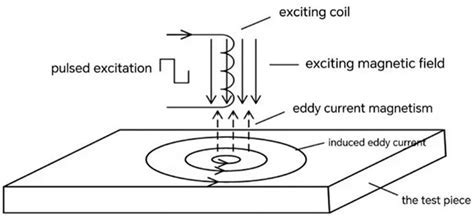
Eddy Current Testing (ET) employs electromagnetic induction to detect surface and near-surface flaws. As eddy currents flow in a conductive material, disruptions caused by cracks, corrosion, or variations in material composition alter the signal.
This technique is essential for aircraft skin inspections, fastener hole evaluations, and tube integrity checks in heat exchangers. ET provides rapid, high-resolution results, especially on conductive materials like aluminum or copper alloys.
Industries Benefiting from NDT: Ensuring Reliability Without Destruction
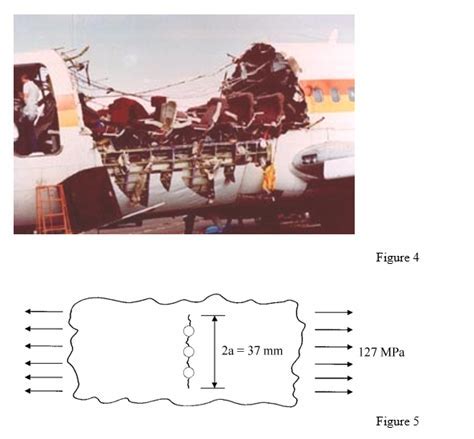
Non-destructive testing supports nearly every major industrial sector, offering a universal language of reliability, safety, and product integrity. Key industries include:
- Aerospace: Inspecting structural components, turbine blades, and fuselage panels
- Oil & Gas: Monitoring pipeline welds, pressure vessels, and offshore structures
- Automotive: Checking castings, spot welds, and composite parts
- Power Generation: Assessing nuclear steam generators, wind turbines, and turbine shafts
- Medical Devices: Validating implant integrity and surface finishes
- Defense: Certifying armor plating and aerospace-grade metals
The rise of automated and robotic NDT systems, coupled with cloud-based analytics and AI-driven pattern recognition, has ushered in a new era of predictive maintenance and proactive safety protocols.
Conclusion: NDT as a Backbone of Quality Assurance and Structural Health
As materials evolve and system complexities deepen, the role of non-destructive testing becomes even more pivotal. Each technique—whether it is ultrasound, radiation, or thermal imaging—delivers a critical perspective on integrity that no destructive method can match.
Companies that invest in NDT expertise and modern inspection technology not only meet compliance but also enhance longevity, performance, and trustworthiness. The future lies in integrated NDT strategies, combining the strengths of each method for multi-layered defense against failure, ensuring safer skies, roads, plants, and lives.