Understanding the Human Factors Major: An Interdisciplinary Foundation
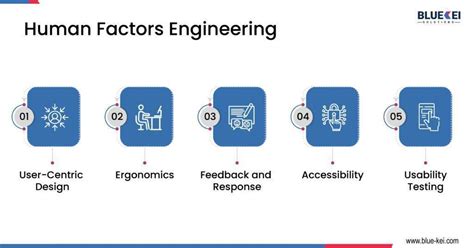
Human Factors (HF) is the scientific discipline that explores the relationship between humans and the systems they interact with. A Human Factors major is not simply about designing better user experiences; it is about optimizing the intersection of psychology, engineering, design, and usability. This field has grown essential in industries such as aerospace, healthcare, transportation, consumer electronics, and defense, where safety, performance, and user satisfaction are critical.
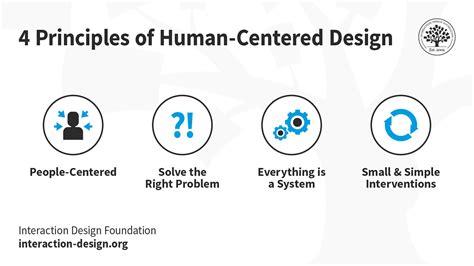
Although some universities offer a formal Human Factors bachelor’s degree, many successful professionals in the field come from adjacent disciplines such as psychology, industrial engineering, cognitive science, and UX design. What distinguishes Human Factors is its commitment to user-centered design, grounded in empirical research and systems thinking.
Academic Pathways into Human Factors
Those aiming to major in Human Factors must first understand that this field welcomes a variety of academic backgrounds. Bachelor’s programs often blend courses in psychology, systems engineering, and human-computer interaction. While not every institution offers a formal HF major, students can strategically select relevant coursework to prepare for a graduate path or direct entry into the field.
Key undergraduate subjects include:
- Cognitive Psychology: Offers insights into attention, memory, decision-making, and perception.
- Industrial and Systems Engineering: Lays the groundwork for analyzing and optimizing complex systems.
- Human-Computer Interaction (HCI): Introduces the principles of interactive system design.
- Neuroscience: Helps decode the biological underpinnings of behavior and cognitive function.
The absence of a formal degree does not hinder one’s chances in Human Factors. Instead, what matters is the integration of behavioral science and engineering knowledge to design human-centered systems.
Graduate Studies: Mastering Human-Centered Design
For deeper specialization, graduate programs in Human Factors Engineering (HFE) or Ergonomics equip students with comprehensive technical, psychological, and research training. A master’s or doctoral degree enables candidates to conduct advanced research and take on leadership roles.
Critical components of graduate curricula include:
1. Research Methodologies
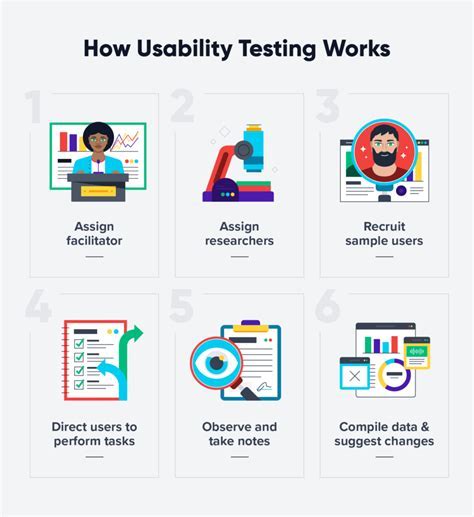
Empirical research is the backbone of HFE. Students gain expertise in qualitative and quantitative research, from user testing protocols and ethnographic observation to statistical data analysis. The iterative design process relies on such data to drive user-centered decisions.
2. User Interface and Interaction Design
The effectiveness of a digital system depends largely on its interface. HF graduates master usability heuristics, wireframing, prototyping, and usability evaluation techniques, ensuring products align with human cognition.
3. System Safety and Risk Mitigation
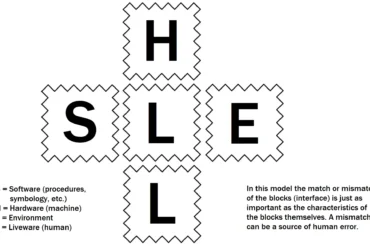
Human error contributes significantly to accidents in critical systems. HF professionals study failure modes, risk analysis, and resilient system design to prevent harm and enhance reliability in sectors such as aviation and medical technology.
4. Biomechanics and Ergonomics
Understanding how the body moves and reacts to physical stress is essential. Through biomechanical analysis, students design tools, workspaces, and equipment that minimize strain, fatigue, and injury.
5. Cognitive Engineering
Designing for human cognitive limitations is crucial. This area covers decision support systems, mental workload modeling, situation awareness, and more to ensure that systems support the way people think and process information.
Career Trajectories in Human Factors
Graduates with a Human Factors major or related qualification enter a job market that values interdisciplinary fluency and user-centered innovation. Roles range from usability engineers and human factors specialists to UX researchers, systems engineers, and product designers. In high-stakes industries like healthcare, defense, and aviation, human factors roles are often embedded within cross-functional teams to ensure safety, compliance, and usability from the start of product development.
Key employers include:
- Medical device manufacturers (e.g., Medtronic, Abbott, BD)
- Aerospace and automotive firms (e.g., Boeing, Lockheed Martin, Ford)
- Tech giants (e.g., Apple, Google, Microsoft)
- Government agencies (e.g., NASA, FAA, NHTSA)
Networking: A Catalyst for Human Factors Careers
Success in Human Factors is strongly influenced by professional networking. This field thrives on knowledge exchange, mentorship, and industry dialogue. Aspiring professionals should actively engage in the following avenues:
- Conferences and Workshops: Events like the HFES Annual Meeting or the IEA Congress provide immersive experiences to learn, present research, and connect with experts.
- Professional Organizations: Joining HFES, IEA, or regional associations grants access to forums, journals, and mentorship networks.
- LinkedIn and Online Communities: Engage with professionals, follow HF-related hashtags, and participate in virtual discussions.
- Mentorship: Learning directly from experienced practitioners can guide career choices and open job opportunities.
- Informational Interviews: Talking with professionals about their paths, challenges, and advice provides valuable insider knowledge.

Human Factors Internships and Early Opportunities
Entry into the field is often facilitated by internships, co-ops, and rotational programs, particularly within regulated industries like healthcare, aerospace, and transportation. These programs expose students to real-world challenges in usability testing, design iteration, and user feedback analysis.
For example, medical device companies frequently offer internships that rotate across HF, quality, regulatory, and R&D teams. Such experiences help students find their niche, whether in usability engineering, systems design, or cognitive modeling. Many professionals begin their journey through these programs and continue to build expertise within interdisciplinary design teams.
Emerging Trends and Future Directions in Human Factors
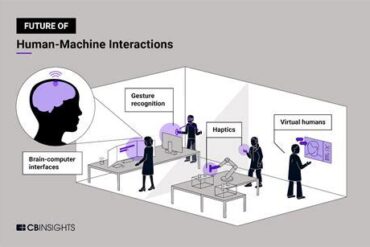
The field of Human Factors continues to evolve with advancements in artificial intelligence, extended reality (XR), machine learning, and autonomous systems. Professionals today must adapt their knowledge to understand human-AI collaboration, immersive environments, and ethical usability.
Key future directions include:
- Designing interfaces for autonomous vehicles and drones
- Evaluating augmented reality systems for surgery and industrial training
- Studying human-robot interaction in healthcare and logistics
- Enhancing accessibility and inclusivity in digital design
These developments require a deep integration of behavioral sciences with emerging technologies, reinforcing the value of comprehensive education in Human Factors.
Human Factors at THRIVE: A Real-World Application
At firms like THRIVE, Human Factors specialists apply their expertise to design safe, effective, and satisfying products across domains. Their teams support product development for both lay users in home settings and trained professionals in clinical environments. Their scope spans early research, usability testing, risk analysis, and final design validation.
Whether partnering with startups or Fortune 500 companies, organizations like THRIVE exemplify how Human Factors Engineering improves safety, usability, and innovation at every stage of product development.

FAQs About Human Factors Majors
What jobs can you get with a Human Factors major?
Graduates can become usability engineers, UX researchers, human factors specialists, systems designers, or ergonomics consultants. Jobs are available across tech, healthcare, defense, automotive, and government sectors.
Is Human Factors the same as UX design?
While related, UX design typically focuses on digital interfaces, while Human Factors encompasses a broader range of systems, including physical products and high-risk environments. HF integrates psychology, engineering, and safety research.
Do you need a graduate degree for a career in Human Factors?
While not always required, a master’s or PhD opens more opportunities, especially in research-heavy roles or industries with regulatory demands, such as healthcare or aerospace. Advanced degrees also allow for specialization and greater leadership potential.