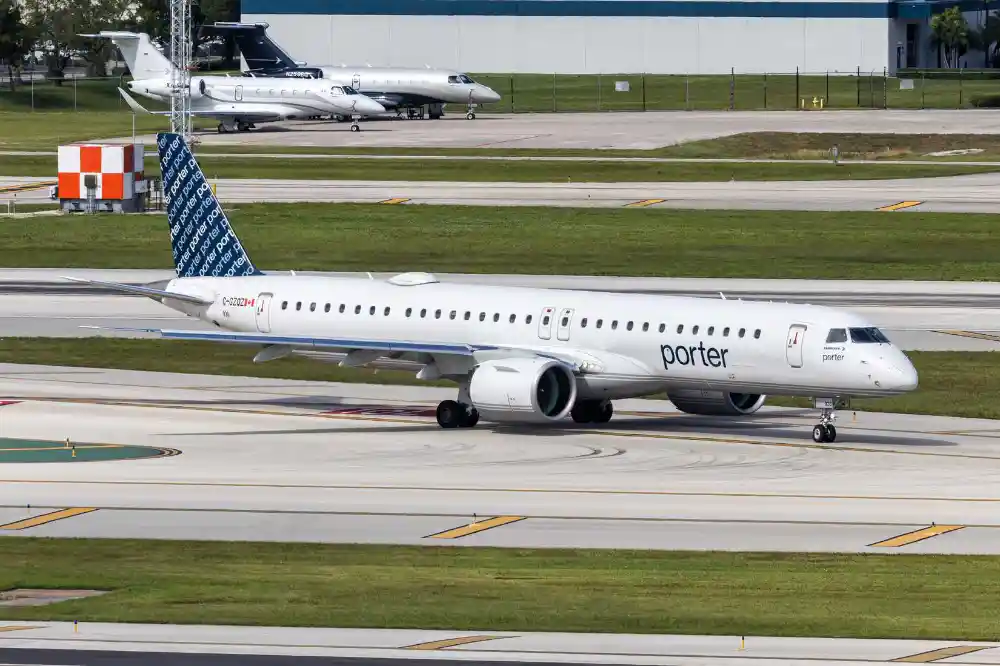
Canada’s fast-growing carrier is entering the second half of the year with its largest network expansion in recent memory. Porter Airlines has introduced 15 new domestic routes during June, dramatically strengthening its presence across the country while turning Montreal Metropolitan Airport into a major operating hub. The expansion highlights the airline’s ambitions as it moves toward a record year in passenger capacity and continues to grow its fleet of modern Embraer jets.
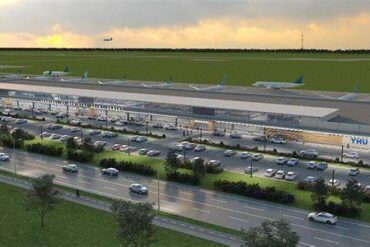
The most significant changes are taking place at Montreal Metropolitan Airport (YHU), where Porter has established a new base supported by the recently opened passenger terminal. Backed by Porter and its investment partners, the facility has enabled the carrier to launch an aggressive series of new services connecting Quebec with destinations throughout Atlantic Canada, Ontario, Western Canada, and Newfoundland.
During June, eleven new routes were introduced from Montreal Metropolitan Airport alone. Seven services entered operation immediately following the opening of the new terminal, while four additional routes were scheduled to begin later in the month. The expansion transforms YHU into one of Porter’s most important domestic gateways and gives travelers an alternative to traditional airports serving Montreal.
The network additions connect Montreal with Toronto Billy Bishop Airport, Toronto Pearson International Airport, Halifax, Vancouver, Edmonton, St. John’s, Calgary, Charlottetown, Winnipeg, Moncton, and Hamilton. These destinations significantly broaden Porter’s reach and strengthen links between eastern and western Canada.
Montreal Metropolitan Airport Becomes the Center of Growth
The opening of the new passenger terminal at Montreal Metropolitan Airport marked a turning point for Porter Airlines. Within days, aircraft were departing to major Canadian cities, signaling the airline’s determination to build a strong presence outside traditional metropolitan airports.
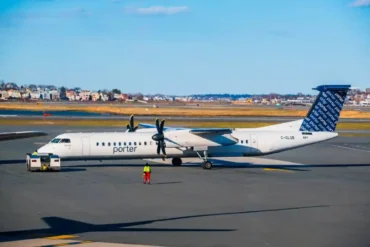
Most routes are operated using the carrier’s fleet of Embraer E195-E2 jets, while several shorter sectors rely on the reliable De Havilland Dash 8-400 turboprops. The Dash 8 aircraft are primarily assigned to services connecting Montreal with Toronto Billy Bishop, Hamilton, and Moncton.
The new routes launched from YHU include:
- Montreal–Toronto Billy Bishop
- Montreal–Halifax
- Montreal–Toronto Pearson
- Montreal–Vancouver
- Montreal–Edmonton
- Montreal–St. John’s
- Montreal–Calgary
- Montreal–Charlottetown
- Montreal–Winnipeg
- Montreal–Moncton
- Montreal–Hamilton
Together, these routes create a powerful domestic network that spans almost the entire country.
Additional Routes Expand Presence Beyond Montreal
Although Montreal represents the centerpiece of the expansion, Porter has also strengthened operations from several other airports. Deer Lake Regional Airport in Newfoundland received two new services, improving connectivity between eastern Canada and major population centers.
Flights between Deer Lake and Ottawa launched during June, while a new Deer Lake–Toronto Pearson route also entered the schedule. Toronto Pearson itself gained another connection with the addition of flights to Charlottetown.
Meanwhile, Hamilton International Airport is preparing to launch service to Ottawa, further expanding Porter’s footprint in Ontario. This route will be operated using the Dash 8-400 turboprop and adds another link between two important regional markets.
These additions demonstrate that Porter’s strategy extends beyond a single hub. Instead, the carrier is gradually developing a wider network capable of serving travelers across multiple provinces.
Embraer E195-E2 Fleet Powers Network Expansion
Behind Porter’s rapid growth lies one aircraft type that has become the backbone of its operation: the Embraer E195-E2. With more than fifty examples already in service, the Brazilian-built regional jet has allowed the airline to dramatically increase capacity while maintaining fuel efficiency.
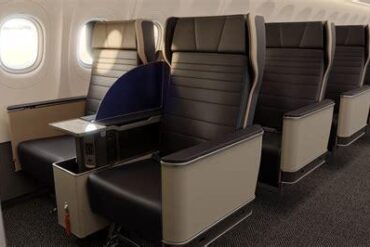
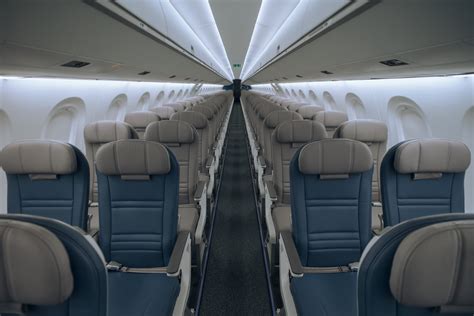
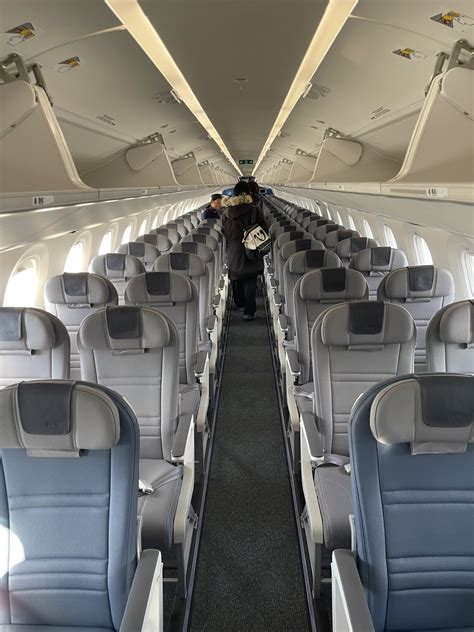
Configured with 132 seats in an all-economy 2-2 layout, the aircraft eliminates middle seats and provides passengers with additional comfort. The cabin includes 16 PorterReserve seats, 20 PorterClassic Stretch seats, and 96 PorterClassic seats.
Its range of approximately 3,000 nautical miles enables nonstop flights across North America with sectors approaching six hours. These capabilities have allowed Porter to compete on routes previously dominated by larger carriers while maintaining lower operating costs.
The E195-E2 has become essential to Porter’s long-term strategy, providing the flexibility needed to open new markets and increase frequencies without sacrificing passenger comfort.
Fleet Growth Supports Ambitious Future Plans
Porter’s expansion is far from complete. Following a previous order for additional E195-E2 aircraft, the airline is expected to eventually operate a fleet of 75 jets. Options for another 25 aircraft could increase that number to 100, giving the company even greater room for expansion.
Such growth is expected to push Porter beyond the milestone of 10 million scheduled seats annually, representing the highest capacity in the airline’s history. The increasing fleet size also positions the carrier to continue expanding throughout North America and potentially enter additional markets in the years ahead.
Porter Strengthens Its Position in Canada’s Competitive Market
Porter Airlines’ June expansion represents more than just the addition of new flights. It reflects the carrier’s transformation from a regional operator into one of Canada’s most ambitious airlines. With 15 new routes introduced in a single month, a growing fleet of E195-E2 aircraft, and a new hub at Montreal Metropolitan Airport, the airline is reshaping domestic connectivity across the country.
As passenger demand continues to recover and fleet deliveries increase, Porter appears well positioned to challenge established competitors while offering travelers more choices and improved access between major Canadian cities. The rapid expansion underway suggests that June may only be the beginning of a much larger growth story.