Air New Zealand has announced a significant capacity boost across key domestic routes, adding 36,000 additional seats to its network for the winter and spring travel period. The move, which takes effect from June 28 through October 25, comes amid mounting pressure over domestic airfare affordability and regional accessibility. With the new seats focused on high-demand routes including Dunedin, Christchurch, and Queenstown, the airline is positioning itself to meet the surge in seasonal travel demand while reinforcing its commitment to regional connectivity.
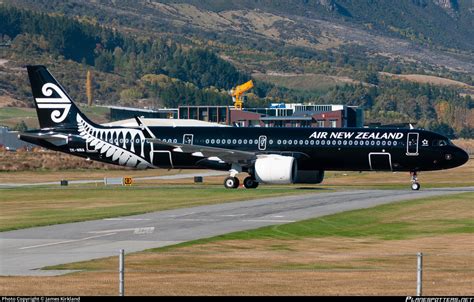
A Strategic Move: A321s Replace A320s on Select Routes
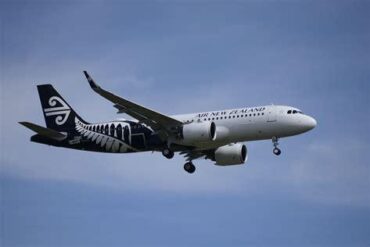
The Airbus A321, a newer and larger narrow-body aircraft, will play a central role in this capacity expansion. By replacing the smaller Airbus A320s on select routes, Air New Zealand will leverage the higher seating and cargo capacity of the A321 to increase supply without significantly altering flight frequency. This transition will be especially visible on routes into Queenstown, Dunedin, and Christchurch—destinations known for their seasonal tourism peaks.
The A321, part of the Airbus A320neo family, offers nearly 50 more seats per aircraft and improved fuel efficiency. This upgauge is expected to benefit not just leisure travelers heading to the South Island’s adventure hubs but also university students, event-goers, and regional commuters who often face capacity constraints during key travel periods.
Supporting Students and Events: Strategic Timing for Peak Dates
Air New Zealand has deliberately aligned this capacity boost with key academic and cultural calendar dates. A notable example is the University of Otago’s semester start on July 14, prompting increased seat availability between Auckland and Dunedin—a crucial student corridor. This route will also see additional capacity around August 30 and September 8, dates that coincide with Otago’s mid-semester break and return.
Further aligning with the nation’s cultural calendar, Air NZ will apply the A321 upgauge to flights for The Big Sing, a prominent national choral festival drawing secondary school students from across New Zealand to Dunedin in late August. These targeted increases are a response not only to predictable passenger spikes but also to growing concerns over domestic travel equity during peak event seasons.
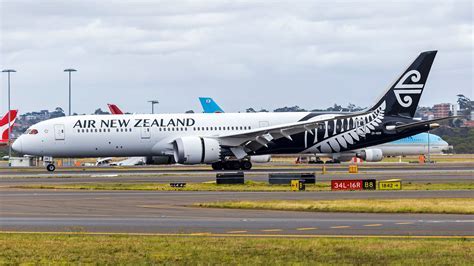
Sporting Surge: Catering to Rugby Fans for the All Blacks-France Test
Beyond academic and cultural events, rugby remains a cornerstone of New Zealand’s national identity, and Air New Zealand is not overlooking its significance. The airline confirmed that Auckland to Dunedin flights will receive larger aircraft for the July 5 All Blacks versus France test match at Forsyth Barr Stadium. With thousands expected to travel for the high-profile match, the A321’s expanded capacity ensures more fans can fly directly into Dunedin without having to route through alternative cities or accept inflated last-minute fares.
This tactical scheduling speaks to Air NZ’s growing agility in fleet deployment, using market intelligence and travel data to respond to spikes in demand while also generating goodwill by supporting national passions.
New Jet Service Launch Complements Capacity Expansion
The announcement of these 36,000 seats comes on the heels of another major development—the launch of a jet service between Hamilton and Christchurch, a move unveiled just last week. This new domestic jet route, served by modern jets rather than turboprops, enhances North-South Island connectivity and complements the broader network strategy aimed at decentralizing access beyond just Auckland and Wellington.
This addition signals a broader shift in Air New Zealand’s domestic service blueprint, emphasizing regional hubs and second-tier cities while maintaining the robustness of the main trunk network. As infrastructure in cities like Hamilton continues to improve, demand for direct inter-island services is expected to rise, making such jet services increasingly viable.
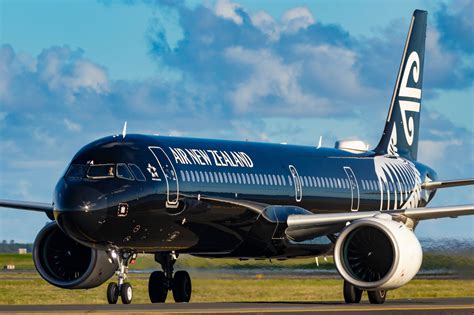
Consumer Pressure and Pricing Transparency
This capacity expansion also arrives at a critical time for the airline industry in New Zealand. Consumer NZ has recently called for a market study into domestic airfares, citing concerns over price transparency and affordability. With fares often spiking during school holidays, public events, or semester starts, critics argue that New Zealanders face undue financial barriers when trying to fly within their own country.
By adding more seats via larger aircraft rather than increasing ticket prices, Air New Zealand appears to be taking a proactive approach to such scrutiny. Higher seat availability during peak times could help reduce fare volatility, a common side effect of constrained supply. However, it remains to be seen whether the extra capacity will be sufficient to materially impact pricing, especially on in-demand corridors.
Statement from Air New Zealand’s Chief Commercial Officer
Jeremy O’Brien, Air New Zealand’s Chief Commercial Officer, underscored the broader mission behind the expansion: “This isn’t just about adding flights, it’s about supporting our regions.” His comment reflects a growing awareness within the airline of its role in not just facilitating travel, but also in enabling economic participation, tourism, and education in communities often underserved by the market forces of air travel.
O’Brien’s remarks also align with Air New Zealand’s broader post-pandemic strategy of domestic network resilience, seeking to reduce reliance on international routes while ensuring that regional New Zealand is not left behind in the country’s recovery.

Aircraft Utilization and Operational Efficiency
Replacing A320s with A321s on select legs is not just a capacity win—it also represents a smarter utilization of fleet resources. With similar crew training profiles and cockpit layouts, the transition between these aircraft types is operationally smooth, reducing complexity and downtime.
The A321neo models also offer enhanced fuel efficiency, quieter engines, and improved environmental performance. These features contribute to the airline’s sustainability targets while allowing it to carry more passengers per flight, improving both load factor efficiency and profit margins without passing costs directly onto consumers.
As Air New Zealand continues to navigate the post-COVID era, such fleet modernization and optimization strategies are expected to be a major theme. By upgauging selectively, the carrier can match aircraft to route profiles with greater precision—a hallmark of high-performing airlines worldwide.
Regional Empowerment Through Connectivity
While this announcement is framed as a network adjustment, the longer-term implications are economic. Increased seat availability to cities like Dunedin and Queenstown during peak periods means local businesses, hotels, restaurants, and events will benefit from increased foot traffic and tourism spending. In cities like Christchurch, which serves both tourists and government traffic, the benefits of increased frequency and capacity are equally distributed between leisure and business sectors.
Queenstown, in particular, stands to gain significantly. Often constrained by its limited airport slots and high seasonal demand, additional A321 flights will allow more travelers to reach the resort town without needing to transit through multiple cities, making it more competitive against international winter destinations.
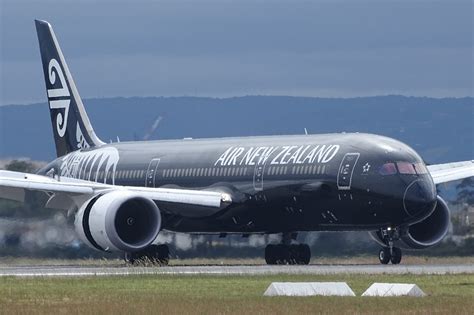
A Calculated Step Toward Balanced Growth
Air New Zealand’s decision to inject 36,000 new seats across its domestic winter and spring schedule is more than just a reaction to seasonal trends—it’s a calculated effort to redefine accessibility and reliability in New Zealand’s domestic aviation landscape. From student travel to cultural festivals, rugby matches to leisure escapes, this move signals the airline’s intent to evolve with its customers while staying one step ahead of scrutiny.
If executed effectively, the increased capacity may serve as a model for sustainable, demand-responsive domestic air service, especially as more Kiwis look inward for travel options in a world still affected by international uncertainties.
With rising expectations for fairer pricing, consistent access, and stronger regional support, this latest move is a clear indicator that Air New Zealand sees the future of its growth written not just in long-haul international routes, but in the heart of its domestic skies.