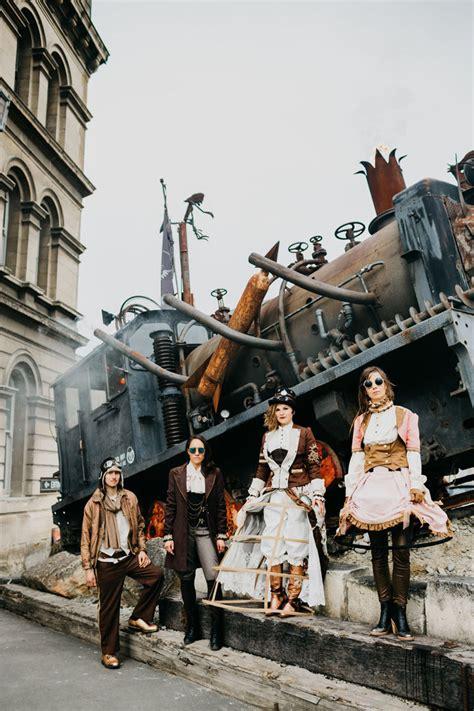
New Zealand has officially joined forces with a variety of nations, including the United States, Malaysia, Spain, Armenia, St. Kitts and Nevis, and South Africa to create a network of vibrant festivals aimed at fostering cultural pride and stimulating economic growth. This year, the spotlight shines brightly on New Zealand’s own Steampunk Festival in Oamaru, which has recently secured a $10,000 lifeline to enhance its impact on tourism during the traditionally quieter months of the year. This financial support is more than just a monetary boost; it represents a commitment to revitalizing local economies and bringing communities together through shared experiences.
The Steampunk Festival, known for its unique blend of Victorian retro-futurism and imaginative sci-fi elements, has evolved from a quirky local event into a nationally recognized attraction that draws visitors from far and wide. The festival’s recent funding comes from the Ministry of Business, Innovation and Employment’s Regional Event Fund, an initiative designed to support rural and remote communities by encouraging tourism and economic engagement. This investment illustrates the growing confidence in the festival’s potential to not only extend visitor stays but also to attract a diverse range of travelers eager to experience the charm of Oamaru during its quieter seasons.
Oamaru’s Steampunk Festival has become a testament to resilience and creativity, transforming the town into a bustling hub of activity during the King’s Birthday weekend. In the 2025 edition, the festival saw record-breaking attendance, with 1,723 paid event tickets sold alongside hundreds attending community-led performances and parades without charge. This surge in participation didn’t occur overnight; it is the result of years of dedication to establishing a reputation for immersive, family-friendly events that resonate with both domestic tourists and international steampunk enthusiasts.

The festival’s timing could not be more opportune. As competition intensifies within the tourism sector, events like the Steampunk Festival offer small towns a unique way to stand out. Oamaru, renowned for its stunning limestone architecture and rich historical background, has successfully leveraged this festival as a seasonal draw, inviting visitors to immerse themselves in a world that transcends the ordinary. Beyond the elaborate costumes and engaging activities, the festival embodies community pride and serves as a catalyst for year-round economic sustainability.
The local economy is already witnessing tangible benefits from the festival’s success. Cafes and restaurants are bustling with customers, accommodations are fully booked weeks in advance, and retail shops are experiencing increased foot traffic. Event vendors are reporting strong sales, highlighting how the festival has transformed what would typically be a slow long weekend into a vibrant celebration that drives economic activity.
The $10,000 grant is significant, as it equips organizers with essential resources to enhance marketing efforts, streamline logistics, and improve the overall visitor experience. Future promotional campaigns will focus on attracting out-of-region travelers, with the goal of converting casual day visitors into multi-day tourists who contribute more significantly to the local economy. This growth aligns seamlessly with broader government strategies aimed at decentralizing tourism away from major urban centers, fostering a more resilient and inclusive tourism economy that benefits all stakeholders, not just large corporations or city-based businesses.
In addition to the local excitement, New Zealand tourism officials are actively encouraging both international and domestic travelers to explore lesser-known regions. The Steampunk Festival exemplifies this initiative by offering an unconventional and captivating experience that is sure to be shareable on social media platforms, appealing to modern travelers seeking unique adventures. The emphasis on cultivating creative cultural experiences is viewed as vital for sustainable tourism, with a clear message that New Zealand is not only open for business but is also redefining the travel landscape.
As the planning for next year’s festival is already underway, organizers are expected to allocate new funding toward enhancing infrastructure to accommodate larger crowds, diversifying the lineup of events, and bringing in international acts to further enrich the festival experience. This strategic pivot is set to deliver substantial returns across various sectors, including hospitality, accommodation, and brand recognition.
Rural areas often struggle to gain visibility in the crowded tourism market, but well-executed events like the Steampunk Festival can elevate them into the spotlight. While the aesthetic of steampunk may evoke images of brass goggles and Victorian attire, behind the scenes lies a meticulously crafted tourism engine that now has even more fuel to drive its growth.
Global Festivals in June: An Economic Phenomenon
June marks not only the onset of summer but also the peak season for cultural celebrations worldwide. From the lively rhythms of the Caribbean to the enchanting performances of South Africa, festivals during this month do far more than entertain—they inject millions into local economies, rejuvenate industries, and foster connections among communities through shared cultural heritage. The statistics speak volumes about the economic uplift brought about by these celebrations, showcasing the intertwined nature of tourism, trade, and transformation.
In the United States, for instance, the arrival of the Savannah Bananas in Charlotte was a game-changer. More than 148,000 fans flocked to the stadiums, resulting in packed hotels and thriving local businesses. Restaurants in the Uptown area experienced a surge in customers, illustrating how a single traveling sports team can catalyze significant economic gains. Similarly, the Outside Festival Summit in Denver attracted 18,000 visitors, generating approximately $16 million in direct revenue for the local economy over just one weekend.
In the Caribbean, the St. Kitts Music Festival is another shining example of how festivals can bolster tourism during off-peak seasons. With its late June schedule, this event not only fills hotel rooms but also ensures taxis are running nonstop, while local vendors enjoy a windfall in sales. Each musical note reverberates through the islands, breathing life into the economy when it is needed most.
Across the Atlantic, Armenia’s Wine Days festival drew in over 25,000 tourists along with 120,000 locals, resulting in a remarkable infusion of $25 million into Yerevan’s economy over three days. Such figures highlight the powerful impact that cultural festivals can have on local commerce and community engagement.
However, not all news from Europe is celebratory. Popular tourist destinations such as Italy, Portugal, France, Greece, and Spain are tightening regulations to protect local lifestyles. Fines are now being enforced for seemingly minor infractions, such as wearing swimwear off the beach or collecting shells. While these measures aim to preserve local traditions and environments, they serve as a reminder for tourists to stay informed about local customs to avoid inadvertently stepping on toes.
In Asia and Africa, festivals continue to flourish as well. The Rainforest World Music Festival in Sarawak, Malaysia welcomed over 26,000 attendees, celebrating indigenous music and culture while simultaneously boosting the region’s profile and economic vitality. Further north, the China-South Asia Expo in Kunming attracted thousands of delegates and tourists, resulting in trade deals exceeding $56 billion, alongside a surge in tourism that benefited local hotels, markets, and attractions.
In South Africa, the National Arts Festival in Makhanda stands as the continent’s largest celebration of art and performance, drawing in over 200,000 visitors. This influx translates into a significant spike in accommodation bookings, local shopping, and cultural tourism, further underscoring the economic significance of such events.
Conclusion: Festivals as Economic Engines
The festivals taking place in June around the globe are far more than fleeting moments of joy; they are robust economic engines that invigorate tourism during off-peak seasons, support local livelihoods, and forge global connections. Whether it’s the electrifying atmosphere in Charlotte, the melodic tunes in Yerevan, or the vibrant dances in Sarawak, one thing remains clear: celebrations not only fuel economies but also unite people across continents. As New Zealand’s Steampunk Festival demonstrates, embracing cultural events can be a powerful strategy for revitalizing local communities and creating lasting impacts in the world of tourism.