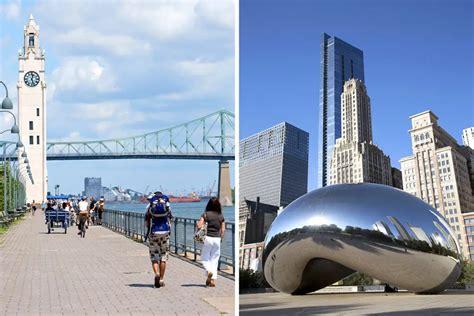
As summer unfolds, New York, Chicago, San Diego, Montreal, and Vancouver are set to lead the way with magical summer festivals that promise unforgettable experiences filled with energy, creativity, and cultural vibrancy. These cities are not merely hosting events; they are transforming travel across America and Canada, drawing travelers into a whirlwind of music, fireworks, art, and cultural celebrations. The festivals serve as catalysts for entire regions, igniting new journeys and reshaping tourism landscapes. Each city brings its unique flavor, creating moments that resonate long after the summer sun has faded.
In New York, the skyline becomes a backdrop for some of the most iconic festivals of the summer, including the SummerStage Festival, which features a diverse lineup of artists from various genres. This festival not only showcases musical talent but also promotes community engagement through workshops and performances in Central Park. As visitors flock to the city, they find themselves immersed in an atmosphere where art and culture thrive, making it a must-visit destination during the warm months.
In the heart of Chicago, the Lollapalooza Festival takes center stage from July 31 to August 3, turning Grant Park into a bustling hub for music enthusiasts. Attracting over 400,000 attendees, Lollapalooza is more than just a concert—it’s a cultural phenomenon that revitalizes the city. Local businesses thrive as hotel occupancy rates soar, and restaurants fill to capacity with hungry festival-goers. The event amplifies Chicago’s reputation as a music capital, showcasing both emerging artists and established acts, thereby creating an unparalleled experience for all attendees.
As the festival fever spreads, San Diego gears up for the Comic-Con International, scheduled for July 24-27. This renowned event is not merely a celebration of pop culture; it is a pivotal moment for the travel industry, as over 135,000 fans and professionals converge in the Gaslamp Quarter. The influx of visitors generates substantial economic activity, with heightened demand for flights, hotels, and local attractions. For those in the travel sector, Comic-Con exemplifies how niche events can drive significant economic benefits, illustrating the symbiotic relationship between entertainment and tourism.
In Canada, the summer festival calendar is equally vibrant, with Montreal’s Just for Laughs festival running from July 16-27. As the world’s largest comedy festival, it attracts comedians and audiences from around the globe, creating a lively atmosphere that emphasizes cultural diversity. The city becomes an international playground of humor, reinforcing its status as a bilingual cultural hub. The festival not only entertains but also significantly boosts local tourism, filling venues and hotels alike.
Meanwhile, Vancouver dazzles with the Celebration of Light, a spectacular fireworks competition held on July 26, July 30, and August 2. This event transforms the city’s skyline into a canvas of color, attracting nearly a million spectators. The economic impact is profound, with hotel bookings skyrocketing and local transit systems extending services to accommodate the influx. The Celebration of Light demonstrates how pyrotechnics can fuel economic sparks, turning a festival into a major tourism powerhouse.
In the heart of Calgary, the Stampede runs from July 4-13, showcasing Canada’s Western heritage through rodeos, concerts, and midway attractions. This cultural juggernaut generates over $400 million in economic activity, making it a critical event for local businesses and tourism. Travelers flock to Calgary for the cowboy spirit, enjoying not only the attractions but also the renowned hospitality that characterizes Alberta’s biggest party. The Stampede highlights how traditional festivals can become catalysts for regional identity and economic growth.
August marks a transition in the festival scene, with events like Osheaga in Montreal (August 1-3) emerging as Canada’s answer to Lollapalooza. This music festival attracts a diverse array of indie rock, hip-hop, and electronic acts, packing Parc Jean-Drapeau with eager festival-goers. The ripple effect on the local economy is undeniable, as hotels fill up and restaurants buzz with patrons. Osheaga serves as a prime example of how music festivals can elevate a city’s profile on the global stage, attracting tourists from far and wide.
The Toronto Caribbean Carnival, known as Caribana, takes place from July 31 to August 3, becoming North America’s largest celebration of Caribbean culture. With nearly two million visitors expected, the Grand Parade on August 2 is a highlight, showcasing vibrant costumes, infectious music, and lively street parties. Caribana is not just a festival; it is an economic engine that supports local vendors, hotels, and restaurants, solidifying Toronto’s position as one of the continent’s most diverse cities.
Understanding the significance of these summer festivals is crucial for both travelers and industry professionals. They are not merely entertainment; they represent vital economic drivers shaping air traffic, hotel occupancy, and local business revenue. As we move through the summer of 2025, it is clear that these festivals are more than just events—they are integral to the cultural fabric and economic landscape of North America.
As communities come together to celebrate art, music, and culture, the ripple effects are felt across the continent. For travelers, being aware of when and where to engage with these festivities can enhance their experiences, allowing them to participate in the excitement while also navigating potential crowds. Festivals like Lollapalooza, Comic-Con, and the Calgary Stampede are not just dates on a calendar; they are opportunities to forge connections, create memories, and contribute to the dynamic tapestry of North American culture. Indeed, summer is not just a season; it is a spectacular stage where culture, commerce, and community converge in vibrant celebration.