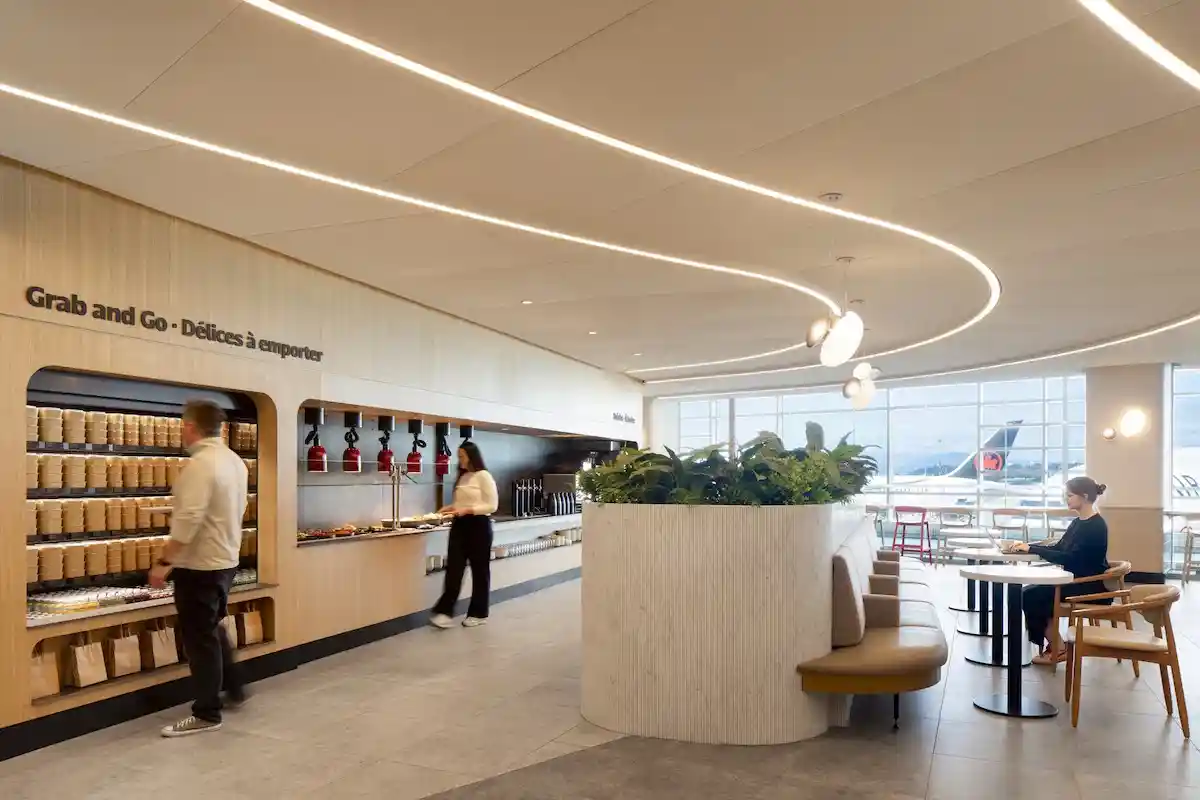
The evolution of airport lounges has entered a decisive new phase, and Air Canada is positioning itself at the forefront. With the opening of additional Air Canada Café locations at Montréal–Trudeau International Airport and Vancouver International Airport, the airline has expanded its innovative lounge network to six locations, reinforcing a bold shift toward speed, flexibility, and modern passenger expectations.
This expansion is not merely about adding more square footage—it represents a recalibration of how premium travelers engage with airport spaces. Rather than lingering in crowded lounges, passengers are increasingly prioritizing efficiency, and Air Canada Café is designed precisely for that behavioral shift.
A Strategic Doubling at Key Canadian Hubs
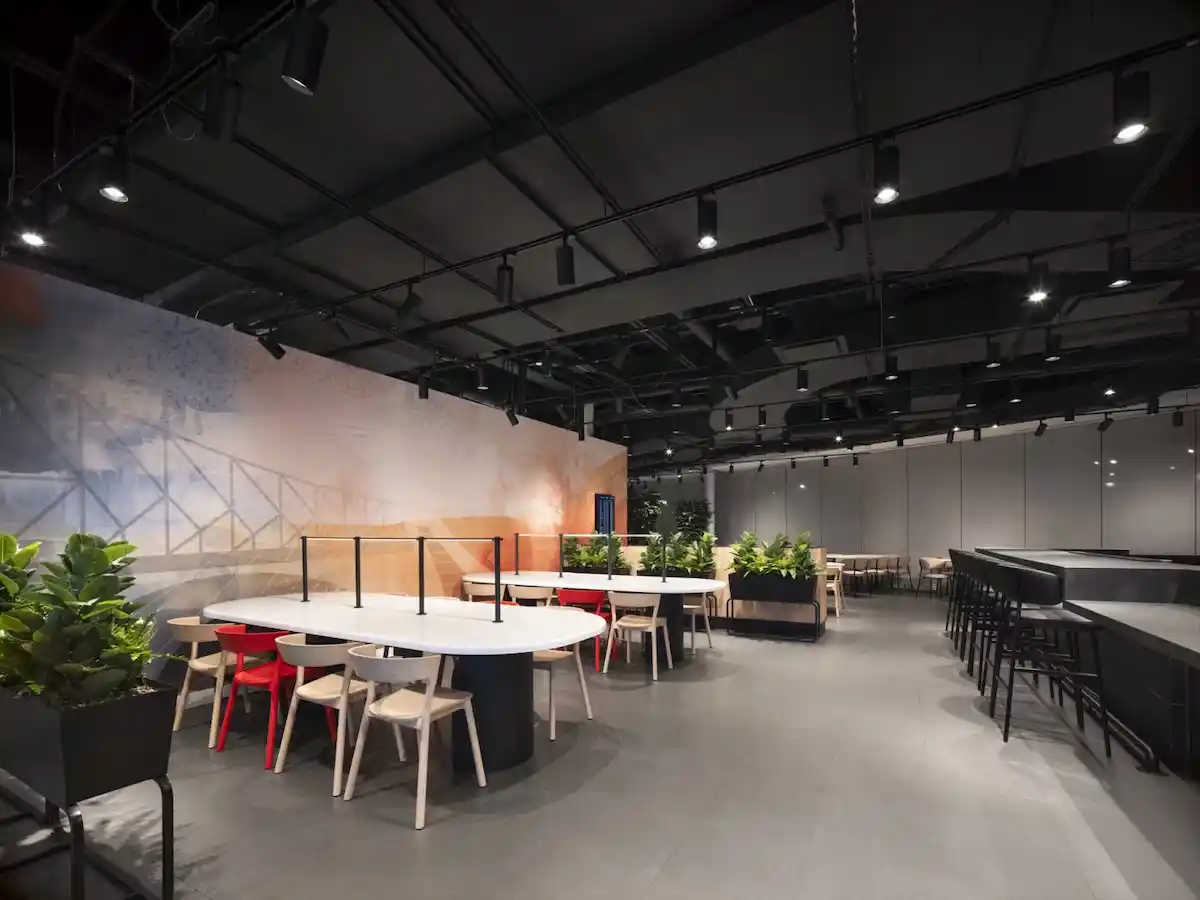
Air Canada’s decision to introduce second Café locations in both Montreal and Vancouver underscores the strong performance and demand for this concept. At Vancouver International Airport, the newly opened Café is situated in the domestic departures area at Concourse C, near Gate 50. Spanning 4,489 square feet with seating for 84 guests, the space is tailored for high throughput without sacrificing comfort or quality.
Meanwhile, in Montreal, the second Café is strategically placed within the U.S. preclearance zone—an area where time sensitivity is particularly acute. With 62 seats, the design mirrors the efficiency-first philosophy while incorporating local cultural elements that enhance the passenger experience.
The expansion brings consistency across both hubs: each airport now hosts two Café locations, one in domestic departures and another in a high-traffic international or transborder zone. This dual-placement strategy ensures maximum accessibility for premium travelers regardless of their route.
Elevated Grab-and-Go Dining With Local Identity
What sets Air Canada Café apart is not just convenience, but a carefully curated culinary offering that reflects regional identity. At the Vancouver location, the menu highlights West Coast flavors and artisanal partnerships. Travelers can enjoy items such as warm char siu pork bao buns, vegan curry bao, and freshly prepared vegetarian kimbap. Sweet options include offerings from the iconic Granville Island-based Lee’s Donuts, bringing a recognizable local touch.
The beverage program is equally refined, featuring barista-crafted coffee, craft beers, and a selection of regional wines. This is not fast food disguised as premium—it is thoughtfully sourced, high-quality fare designed for mobility.
In Montreal, the Café leans heavily into the city’s renowned “third wave” coffee culture. Barista-made coffee is complemented by distinctly local flavors, including smoked meat sandwiches, fresh bagels, and pistachio croissants. A vegan soup crafted by Sagamité Watso adds a contemporary culinary edge, while beverages include wines from L’Orpailleur Winery, gin from Distillerie du Fjord, and craft beers from RJ Brasseur.
The result is a hyper-localized dining experience that still adheres to a unified brand philosophy—premium, efficient, and distinctly Canadian.
Redefining the Airport Lounge Experience
Traditional airport lounges were once synonymous with exclusivity and tranquility. However, the rapid expansion of lounge access through credit cards, loyalty programs, and premium tickets has diluted that experience. Overcrowding has become a common complaint, often negating the very benefits lounges were designed to provide.
Air Canada Café addresses this issue with a fundamentally different approach. Instead of competing for space and silence, it embraces the reality that many travelers simply want high-quality food and beverages—without the need to linger. The grab-and-go model allows passengers to collect what they need and retreat to quieter gate areas, effectively bypassing the congestion.
This concept aligns with broader industry trends. In the United States, similar initiatives like United Club Fly and Provisions by Admirals Club are gaining traction, signaling a shift toward modular, flexible lounge experiences. Yet Air Canada’s execution stands out for its scale, consistency, and integration of local culture.
Access and Target Audience
Despite its streamlined format, Air Canada Café remains an exclusive offering. Access is granted to business class passengers, Star Alliance Gold members, Aeroplan premium co-brand credit cardholders, and elite Aeroplan members at the 50K, 75K, and Super Elite tiers.
This ensures that while the experience is efficient, it does not compromise on the premium positioning that frequent flyers expect. The model effectively balances accessibility with exclusivity, maintaining brand value while adapting to modern travel patterns.
A Blueprint for the Future of Lounge Design
The expansion to six locations is more than a numerical milestone—it is a validation of a concept that challenges conventional thinking. By prioritizing speed, quality, and locality, Air Canada Café is redefining what an airport lounge can be.
In an era where time is the ultimate luxury, the ability to seamlessly integrate premium dining into a traveler’s journey without requiring extended dwell time is a powerful proposition. Air Canada has recognized this shift early and is scaling accordingly.
As passenger expectations continue to evolve, the success of this model suggests that the future of airport lounges may not lie in larger spaces or more amenities, but in smarter, more adaptable formats. Air Canada Café is not just keeping pace with that future—it is actively shaping it.