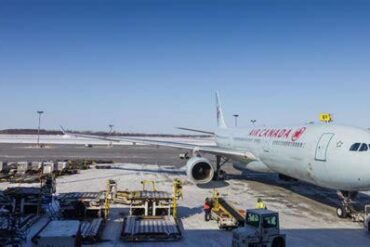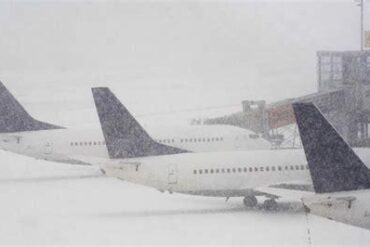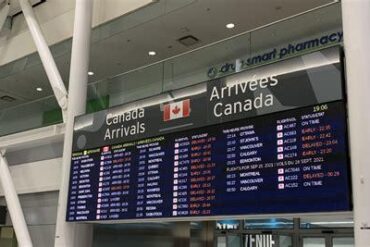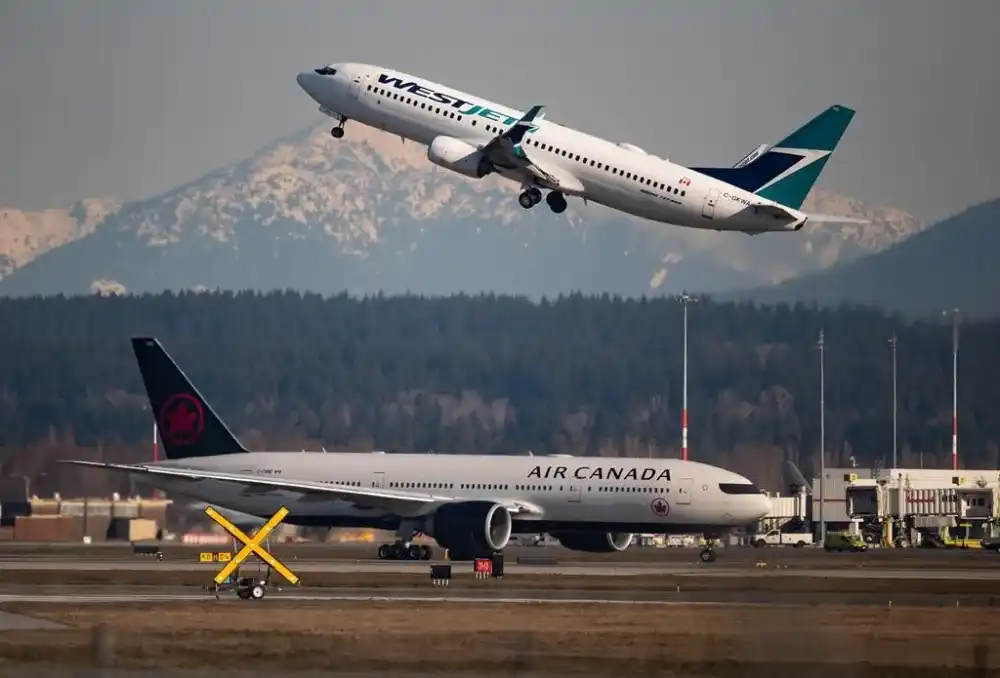
Canada’s aviation system endured another staggering blow this week as relentless weather conditions triggered more than one thousand flight delays and cancellations across major airports nationwide. Toronto Pearson International Airport (YYZ), Vancouver International Airport (YVR), and Montréal-Trudeau International Airport (YUL) were among the worst-hit, as violent thunderstorms, widespread fog, and low visibility shut down operations and brought chaos to air travel. Passengers traveling with Air Canada, WestJet, and Jazz Airlines were particularly affected, with many left stranded amid a cascade of flight disruptions.
Toronto Pearson Airport: The Epicenter of the Disruption
As the busiest airport in the country, Toronto Pearson bore the brunt of the atmospheric assault. A staggering 243 delays and 54 cancellations occurred in a single day, with thunderstorms dumping torrential rainfall over the airfield. Aircraft on final approach were forced into holding patterns, while those on the ground faced long taxi queues and parked runway congestion.
Ground operations were paralyzed. Rain continued without reprieve, leading to slippery tarmac conditions and delays in baggage handling, aircraft refueling, and gate coordination. As visibility plummeted to near-zero in intervals, airport management was compelled to slow or temporarily suspend runway activity multiple times throughout the day.
Among the most severely impacted airlines were:
- Jazz Airlines: 24 cancellations and 27 delays
- Air Canada: 7 cancellations and a massive 91 delays
- Porter Airlines: 8 cancellations and 24 delays
Smaller carriers such as Republic and Endeavor Air also suffered notably high disruption ratios.
Vancouver International Choked by Fog and Mist
Vancouver International Airport (YVR) was engulfed by persistent coastal fog, coupled with light rain that stretched through the morning and well into the evening. 123 delays and 14 cancellations were recorded, many stemming from the inability of pilots to establish visual contact during landing procedures. This type of fog, thickened by marine layers, is especially difficult for western airports to mitigate.
While not as severe in terms of precipitation, the fog’s longevity and density crippled airside efficiency. Ground radar had to be heavily relied upon, increasing separation times between aircraft. Airlines particularly hit included:
- Air Canada: 35 delays, 6 cancellations
- WestJet Encore: 7 delays, 6 cancellations
- Pacific Coastal Airlines: 14 delays, 1 cancellation
Flight attendants and staff were seen assisting confused travelers as flight boards continuously updated with more red lines of delays.
Montréal-Trudeau Buckles Under Gray Skies and Rain
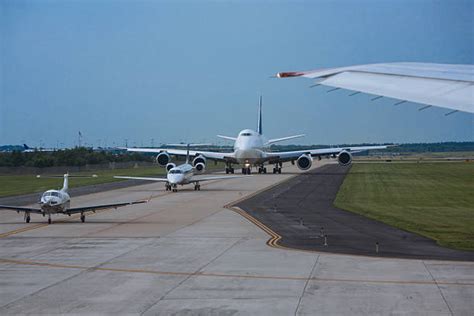
Montreal’s YUL airport logged 148 delays and 41 cancellations, second only to Toronto in volume. Rain showers persisted through the day, and visibility was particularly poor during morning arrival waves. The impact was sharpest during final approach sequences, where crews struggled to safely align aircraft amid turbulent wind shear and rain.
Jazz Airlines was again a high-profile victim here, cancelling 21 flights and delaying 36 more. Air Canada reported 6 cancellations and 42 delays, while Porter Airlines also experienced substantial trouble.
Ripple Effects Extend Nationwide
Though the trio of Canada’s largest hubs suffered the most, smaller and regional airports were not spared. Adverse weather and downstream logistical chaos spread through the entire air network.
At Calgary International Airport (YYC), 116 flights were delayed and 8 cancelled. While not paralyzing, steady rains and wind gusts forced reroutes and increased fuel consumption for diverted flights. Ground ops were further hindered by longer-than-average taxi times.
Edmonton International Airport (YEG) reported 64 delays and 7 cancellations, much of it attributed to aircraft unable to depart from or arrive in Toronto and Vancouver. Locally, rain and sporadic wind aggravated the bottleneck.
Ottawa Macdonald-Cartier International (YOW) saw 41 delays and 16 cancellations. Persistent cloud layers prevented clear runway approaches, especially during midday peaks. Gate availability became a critical issue, causing additional taxi delays.
Even more remote airports like Winnipeg (YWG) and Halifax (YHZ) recorded 20+ delays each, primarily because of aircraft displacement. When aircraft are held up in Toronto or Montreal, cascading reschedules follow through connecting airports.
Stranded Passengers and Airline Chaos
Inside terminal buildings, the human impact became quickly visible. Passengers filled lounges and check-in areas, some sleeping on floors or leaning on suitcases. Airline help desks at Air Canada, WestJet, and Jazz became overwhelmed as travelers attempted to rebook flights, request compensation, or get answers.
Many passengers were caught off guard by the short-notice delays. Some families had already cleared security and were boarding when flights were suddenly pushed back by hours or canceled outright. International flyers, particularly those connecting through Canada, found themselves stuck in limbo without overnight accommodations.
Data Breakdown of Major Flight Disruptions
Across all airports, the following numbers highlight the severity of the day’s air travel chaos:
- Toronto Pearson (YYZ): 243 delays, 54 cancellations
- Vancouver (YVR): 123 delays, 14 cancellations
- Montreal (YUL): 148 delays, 41 cancellations
- Calgary (YYC): 116 delays, 8 cancellations
- Edmonton (YEG): 64 delays, 7 cancellations
- Ottawa (YOW): 41 delays, 16 cancellations
Even minor airports, such as Quebec City (YQB) and Victoria (YYJ), were not immune. Delays in these locations — often with less staffing and fewer gates — lead to significant terminal congestion even with modest traffic disruptions.
A System on the Brink
This marks the second time in a week that Canada’s airspace has been brought to its knees by weather. With summer travel volumes at their peak, even minor system shocks now create disproportionate havoc. Airlines are struggling to maintain recovery buffers, and airports are operating at near-saturation levels, making adaptation difficult.
The impacts go beyond domestic inconvenience. Several international flights from Toronto and Vancouver to the U.S., Europe, and Asia were delayed or rescheduled, causing missed connections and stranded international tourists. Airlines had to reassign crews and reroute aircraft across Canada’s vast territory, stretching operations teams thin.
Looking Ahead: Continued Atmospheric Instability Threatens Recovery
Meteorological models predict that this pattern of thunderstorm clusters and fog outbreaks will persist through the week, especially over Ontario, Quebec, and the Pacific coast. Weather agencies warn that flight disruptions may continue, particularly during peak hours.
Canadian carriers have begun issuing travel advisories, urging passengers to:
- Check flight status repeatedly before heading to the airport
- Opt into text/email alerts for live updates
- Allow extra time for airport processing
Some travelers are already adjusting by rebooking on red-eye or mid-day flights, where airport pressure is reduced. Airlines are reviewing fleet repositioning strategies and crew rest regulations to mitigate delays in the short term.
Conclusion: Flexibility Is the New Travel Essential
With over 1,000 delays and cancellations disrupting nearly every corner of Canada’s air infrastructure, the events of July 15 serve as a stark reminder that weather continues to be a dominant threat to modern aviation. The perfect storm of volume, weather unpredictability, and hub dependency has laid bare vulnerabilities in Canada’s tightly linked flight network.
As passengers brace for further disruptions, the ability to adapt, remain informed, and exercise patience will define their travel experience. For airlines and airports, the mission is now twofold: recover operations and rebuild trust. The forecast may be grim, but proactive communication and dynamic logistics will be crucial tools in weathering the storm.