
New Zealand is entering a transformative chapter in its post-pandemic aviation recovery as Air New Zealand gears up to welcome a record 745,000 passengers during the July 2025 winter rush. Between 27 June and 13 July, airports across the nation will hum with renewed energy, reflecting a robust revival in both domestic and international travel. This surge is not merely seasonal—it is strategic, historic, and economically pivotal.
New Zealand’s Winter Travel Revival Gains Altitude
As global travel stabilizes and passenger confidence surges, New Zealand finds itself in the middle of a Southern Hemisphere travel renaissance. Air New Zealand’s decision to expand operations to handle this traffic boom signals a powerful comeback. From families chasing warmer climates in the Pacific to adventure seekers heading to Queenstown’s snowy slopes, every seat tells a story of reconnection, exploration, and economic rebound.
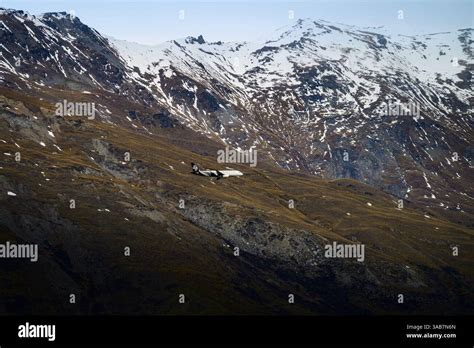
With 465,000 travelers flying domestically and 280,000 taking to international skies, the airline has responded with decisive action. Over 18,000 new seats have been deployed across 200 additional domestic flights, all calibrated to support critical peak-time demand. The result is a fine-tuned operational push that reflects both demand anticipation and strategic foresight.
Domestic Routes Ignite: Queenstown and Dunedin Lead the Charge
Among domestic destinations, Queenstown reigns supreme as the nation’s alpine jewel. The town’s magnetic pull is amplified by ski season and its legendary après-ski scene, making it the top choice for domestic winter escapes. The snow-covered Southern Alps and Lake Wakatipu views act as natural magnets, pulling thousands to the South Island.
Dunedin, meanwhile, is bracing for a more sport-driven influx. On 5 July, the All Blacks face off against France, an event expected to attract more than 8,000 visitors over the weekend. For a city of its scale, this means full hotels, bustling restaurants, and strained infrastructure, offering both a logistical challenge and a business windfall.
Even smaller regional airports like Napier, Nelson, and Invercargill are set to benefit from this national spike, illustrating how school holidays now ripple far beyond urban centers.
International Demand Surges: Singapore, Fiji, and Australia in the Spotlight
While domestic travel thrives, international destinations are reclaiming their place atop Kiwi travel wish lists. Australia remains the undisputed leader, with Sydney, Melbourne, and Brisbane soaking up most of the demand. Their proximity, cultural familiarity, and warmer weather make them easy picks for families.
However, the sharp rise in traffic to Singapore and Fiji cannot be overlooked. These destinations reflect a pivot to mid-range international travel—offering more than just beaches or shopping, but a mix of affordability, accessibility, and immersive experiences.
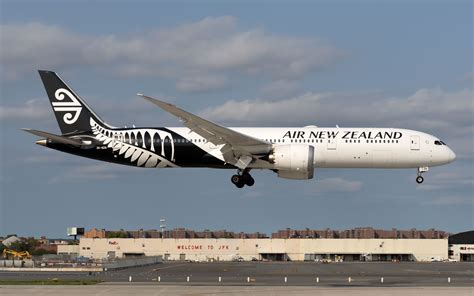
Adding a symbolic layer to this international revival is the 30th anniversary of Air New Zealand’s Queenstown-to-Sydney route. Since its inaugural flight in 1995, Queenstown has transformed into a globally recognized alpine gateway—and this anniversary underscores the airline’s continued investment in trans-Tasman growth.
Scaling for Tomorrow: Air New Zealand Commits 130,000 More Seats in 2025–2026
Beyond July’s rush, Air New Zealand is future-proofing its international expansion with a major announcement: 130,000 new trans-Tasman seats will be added from October 2025 through March 2026. This not only meets forecasted demand but also positions the airline as the largest carrier between Australia and New Zealand.
This move will benefit both leisure and business travelers, offering greater frequency, competitive pricing, and logistical reliability. It also places pressure on regional competitors, asserting Air New Zealand’s dominance in the post-pandemic recovery race.
Airports in Overdrive: Behind-the-Scenes Preparations Ramp Up
Record numbers don’t just affect the skies—they ripple through every square meter of airport terminals. On 27 June alone, 48,000 passengers are expected, with an estimated 49,000 each on the following two Fridays. The numbers are daunting, especially with winter gear, family groups, and variable weather.
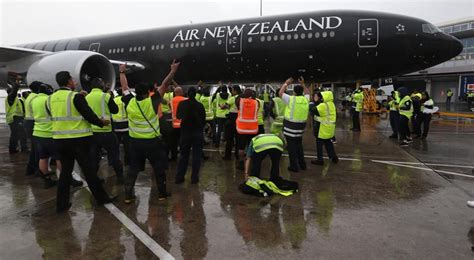
Airport teams nationwide are doubling shifts and enhancing check-in, security, and baggage handling protocols. Customer service desks, app support systems, and gate staff are under significant pressure to deliver seamless journeys despite the odds.
To mitigate chaos, Air New Zealand is urging passengers to take proactive steps:
- Use the Air NZ app for real-time alerts
- Prepay for baggage to avoid terminal delays
- Update contact information to receive critical travel changes
These aren’t just conveniences—they’re essential strategies for navigating peak travel days.
Weather Adds a Wild Card: Prepare for the Unpredictable
New Zealand’s winter beauty is unmatched—but with it comes volatility. Fog, icy runways, and sudden storms can derail even the most well-laid itineraries. Airports like Wellington, Queenstown, and Dunedin are particularly vulnerable to weather-related delays.
To manage expectations, Air New Zealand has embedded rebooking tools into its app, allowing travelers to reschedule with minimal hassle. The airline also strongly recommends travel insurance, especially for families or time-sensitive plans. This push reflects a mature approach to risk mitigation in high-demand windows.
Smooth Sailing: Enhancing the Customer Experience
With so many passengers relying on a positive travel experience, Air New Zealand is spotlighting customer care. Small actions can yield significant reductions in stress and disruption. Alongside its mobile tools, the airline is promoting:
- Compassionate fares for emergencies
- Dedicated support channels for last-minute issues
- Online baggage management to ease terminal traffic
This focus reflects a broader trend in aviation: putting passengers first not just through policy, but through experience design and accessible service models.
Economic Winds of Change: Tourism and Business Benefit Alike
The ripple effects of July’s travel boom extend far beyond aviation. Queenstown and Dunedin stand to gain millions in tourism revenue, while local hospitality sectors brace for a winter gold rush. From ski resorts and cafés to shuttle drivers and Airbnb hosts, nearly every sector benefits from this influx.
Meanwhile, New Zealand’s strong domestic travel culture provides a buffer against global instability. This localized resilience ensures that even during uncertain times, regional economies can thrive on the strength of internal movement.
The positive signals aren’t temporary. Air New Zealand’s continued seat expansions, increased route density, and diversified destination strategy ensure that this growth isn’t just a one-time spike—it’s a structural evolution of Kiwi aviation.
A Defining Moment for Travel in Aotearoa
This winter surge is not simply a recovery—it is a redefinition of what it means to travel to, from, and within New Zealand. With 745,000 travelers, dozens of extra flights, and comprehensive airport overhauls, Air New Zealand is proving itself not just as a national airline, but as a regional leader.
As passengers board planes headed for tropical islands, ski fields, or international reunions, they become part of a larger movement—one that reflects New Zealand’s resilience, adaptability, and growing regional influence. In this crucial winter window, the country is not just welcoming travelers—it’s declaring its return to the global travel stage.