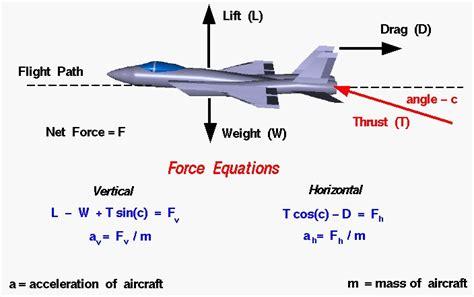
Fighter aircraft have evolved through generations of innovation, with each era introducing technologies that push the limits of speed, agility, and combat effectiveness. Among the most impressive developments is thrust vectoring, a technology that allows a jet engine to change the direction of its exhaust force. Instead of relying only on traditional aerodynamic control surfaces, aircraft can use engine thrust itself to influence movement.
The basic principle behind thrust vectoring technology is simple: the direction of engine thrust can be adjusted away from the normal straight-line path. This gives pilots additional control over the aircraft’s movement, including rapid changes in pitch, altitude, and maneuvering ability. While the concept was explored in early rocket systems during the 1930s, it became practical for fighter aircraft decades later.
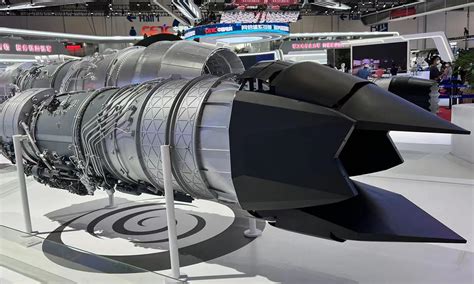
The first major fighter application appeared with the Hawker Siddeley Harrier, which used vectored thrust to achieve vertical takeoff and landing capability. Its rotating engine nozzles redirected exhaust downward, allowing the aircraft to hover like a helicopter before transitioning into normal forward flight. This breakthrough changed military aviation by allowing operations from locations without conventional runways.
Modern fighter jets use more advanced forms of thrust vectoring, particularly among fourth-generation and fifth-generation aircraft. The technology is no longer limited to vertical flight. Instead, it has become a key feature for improving close-range combat performance, evasive maneuvers, and overall aircraft control.
How Thrust Vectoring Works on Modern Fighter Jets
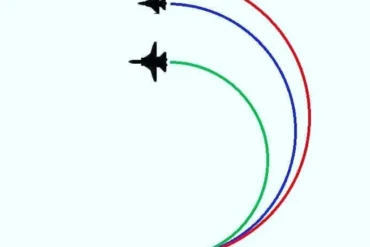
Traditional fighters control movement through aerodynamic surfaces such as elevators, rudders, and ailerons. These systems become less effective at very high angles of attack or slower speeds because airflow over the aircraft decreases. Thrust vectoring provides additional control authority by allowing the engine to continue influencing the aircraft even when aerodynamic controls lose effectiveness.
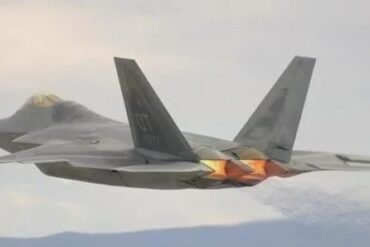
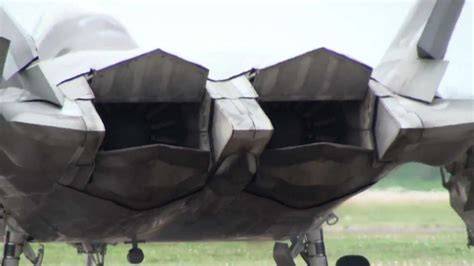
There are several forms of thrust vectoring. Two-dimensional thrust vectoring (2D) typically changes engine exhaust direction along one axis, usually controlling pitch. The F-22 Raptor uses this approach with movable exhaust nozzles that allow the aircraft to perform extreme pitch maneuvers.
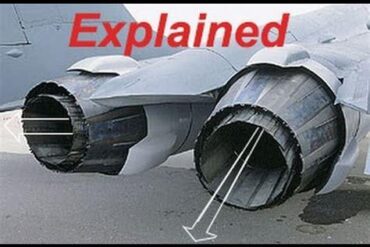
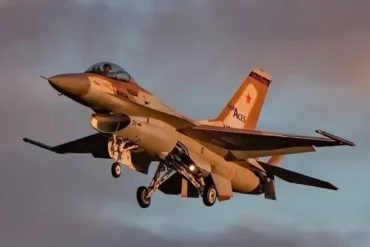
More advanced three-dimensional thrust vectoring (3D) allows movement across multiple axes, including pitch, yaw, and roll. This provides even greater agility and enables aircraft to perform unusual maneuvers that conventional fighters cannot easily replicate. The Sukhoi Su-57 is one example of a fighter designed with three-dimensional thrust vectoring capability, contributing to its exceptional maneuverability.
Fighter Jets That Use Thrust Vectoring
Several advanced military aircraft currently use thrust vectoring systems:
- F-22 Raptor: The American fifth-generation air superiority fighter uses two-dimensional thrust vectoring to improve pitch control and high-angle-of-attack performance.
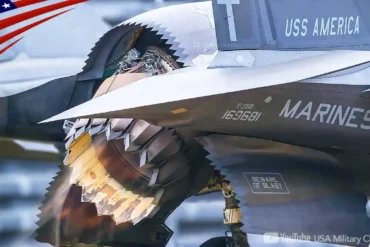
- F-35B Lightning II: The short takeoff and vertical landing variant of the Joint Strike Fighter uses a unique thrust vectoring system. A lift fan behind the cockpit and a rotating engine nozzle allow it to operate from smaller bases and amphibious assault ships.
- Sukhoi Su-57: Russia’s fifth-generation fighter uses three-dimensional thrust vectoring to increase agility and support advanced maneuvers.
- Shenyang J-50: China’s emerging next-generation fighter development is expected to incorporate advanced thrust management technologies, although many details remain undisclosed.
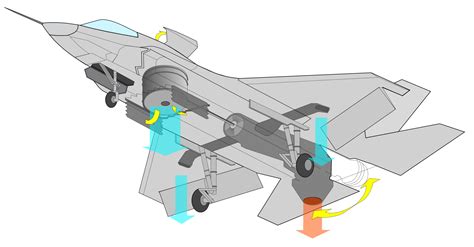
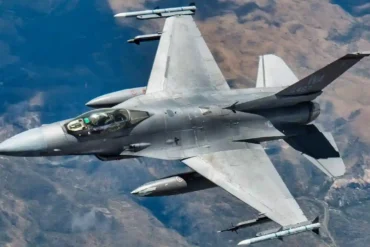
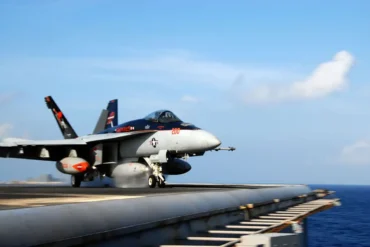
The F-35A and F-35C variants do not use thrust vectoring, because they were designed primarily for conventional runway operations. The F-35B requires the technology because its mission includes short takeoff and vertical landing operations for the United States Marine Corps.
The Future of Thrust Vectoring in Combat Aviation
As fighter aircraft become more advanced, thrust vectoring is expected to remain an important technology. Future sixth-generation fighters will likely combine it with artificial intelligence, advanced sensors, and improved stealth designs. Greater maneuverability may provide advantages in situations where speed, positioning, and rapid response determine survival.
Although modern air combat increasingly depends on long-range missiles and electronic warfare, close-range agility still matters. The ability to instantly redirect engine thrust gives pilots another tool for controlling their aircraft beyond traditional aerodynamic limits. As aviation technology continues to develop, thrust vectoring will likely remain one of the defining features of the world’s most advanced fighter jets.