Thrust vectoring technology has long been a subject of interest for military aviation, especially when applied to carrier-based aircraft. The evolution of thrust vectoring nozzles (TVC) represents a significant advancement in jet propulsion, with particular emphasis on its potential to enhance the performance of carrier-based fighters. This technology has allowed aircraft to achieve remarkable feats, particularly in terms of short takeoff and vertical landing (STOVL) capabilities, agility, and maneuverability in challenging flight environments. The journey of TVC technology on carrier-based aircraft is a complex one, shaped by technological, strategic, and operational challenges. In this article, we will delve into the history, key milestones, and future directions of thrust vectoring technology as it applies to carrier-based aircraft.
Early Beginnings and Initial Concepts of Thrust Vectoring
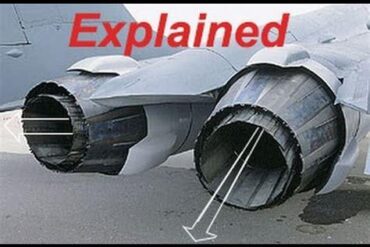
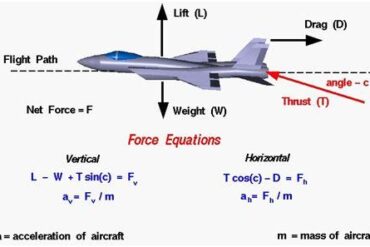
The first experiments with thrust vectoring technology on military aircraft date back to the mid-20th century. The concept was initially developed as a means to enhance aircraft maneuverability, particularly at low speeds and high angles of attack. Thrust vectoring allows for the redirection of the engine’s exhaust flow, changing the direction of the thrust and thereby increasing control over the aircraft’s flight path.
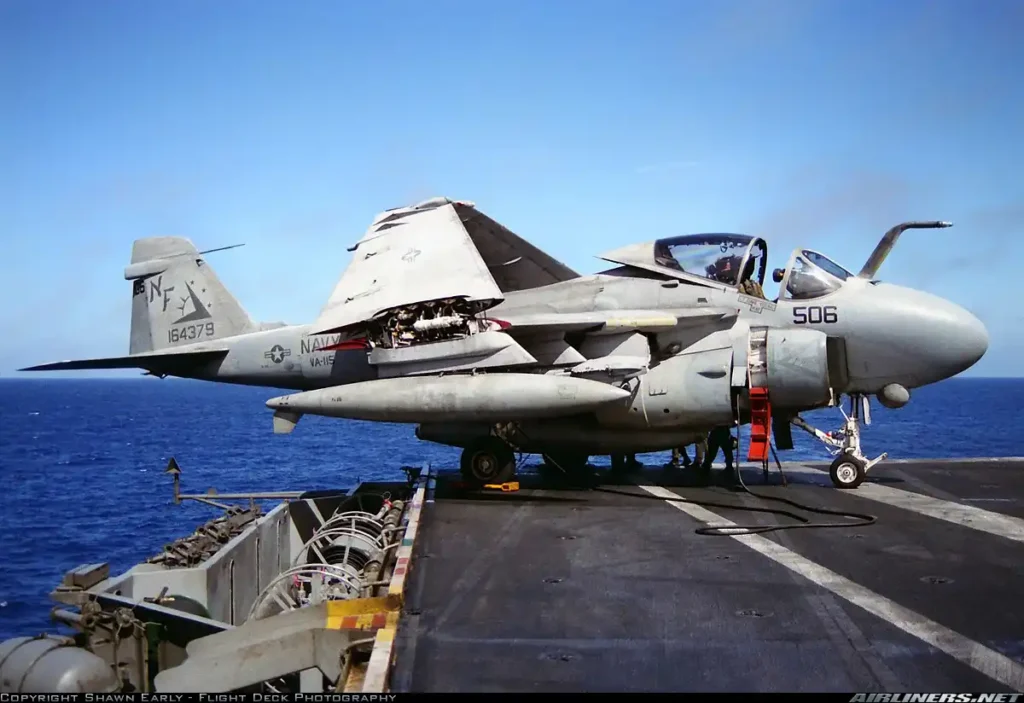
One of the earliest instances of thrust vectoring on a carrier-based aircraft can be traced to the United States Navy’s A-6 Intruder prototype. This aircraft featured a thrust-vectoring nozzle that could tilt downward during takeoff and landing to provide additional lift. However, the technology was not yet mature enough for mass production, and the thrust vectoring nozzle was ultimately omitted from the A-6’s final design.
The Role of the U.S. Navy and the F/A-18 Series
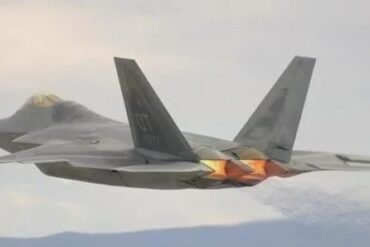
The U.S. Navy has always been somewhat conservative regarding the adoption of new aviation technologies. This conservative stance became apparent when thrust vectoring technology failed to make its way into mainstream carrier-based aircraft for many years. While the U.S. Air Force embraced thrust vectoring with the F-22 Raptor and F-35A, the U.S. Navy remained cautious, partly due to the inherent challenges of integrating this technology into the highly specialized carrier-based environment.
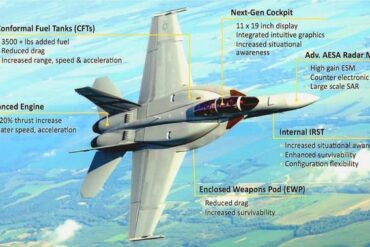
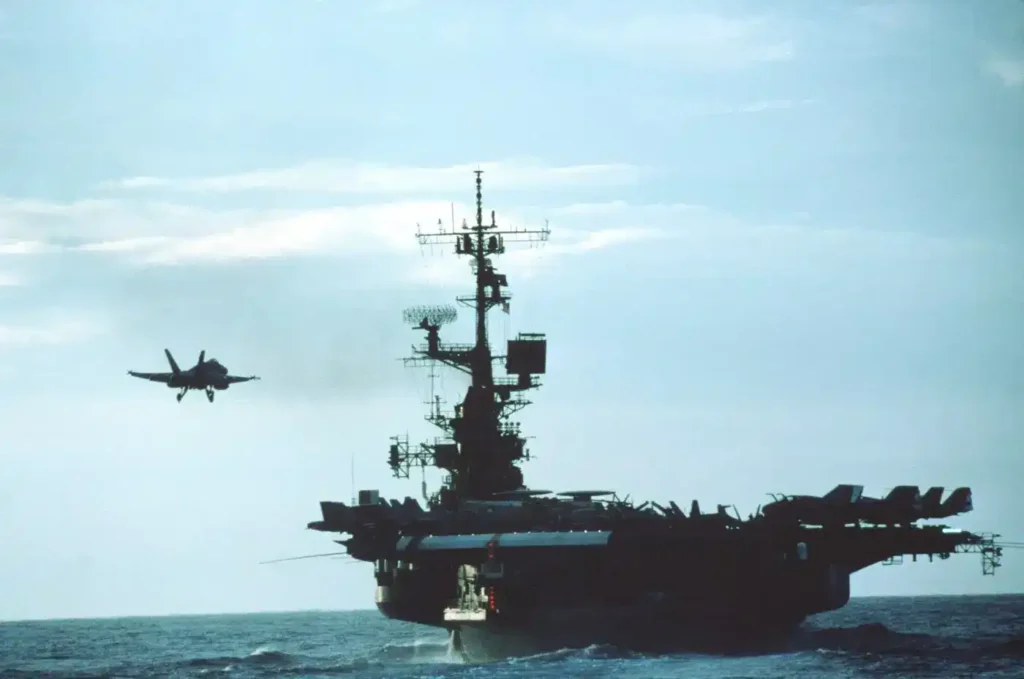
However, the F/A-18 Hornet series, a versatile aircraft used by both the U.S. Navy and allied forces, would play a pivotal role in advancing the application of thrust vectoring on carrier-based fighters. The development of the F/A-18E/F Super Hornet series, as well as experimental models such as the F/A-18 High Alpha Research Vehicle (HARV), showcased the potential of thrust vectoring nozzles to enhance agility and short takeoff and landing (STOL) capabilities.
In 1999, the U.S. Navy conducted a series of wind tunnel tests on the F/A-18 Hornet to assess the effectiveness of thrust vectoring in various operational scenarios. These tests confirmed that vectoring the exhaust gases could significantly reduce takeoff distances and enhance aircraft maneuverability, particularly during carrier operations. As a result, the Navy began to entertain the idea of integrating TVC technology into carrier-based aircraft.
Key Milestones and Technical Advancements
Thrust Vectoring and Short Takeoff and Landing (STOL)
One of the most significant benefits of thrust vectoring is its ability to improve short takeoff and landing (STOL) capabilities, which are critical for carrier-based aircraft. The limited space on an aircraft carrier requires that fighter jets be able to take off and land within a very constrained area. Traditional jet engines rely solely on forward thrust to propel aircraft into the air, but this can be inefficient when dealing with shorter runways.
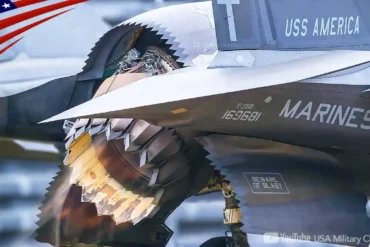
Thrust vectoring allows for the exhaust gases to be redirected, generating additional lift and enabling the aircraft to take off in shorter distances. This is particularly beneficial on aircraft carriers, where the available space for takeoff and landing is severely limited. The ability to vector the thrust also helps in achieving vertical lift-off, which is a critical requirement for STOVL aircraft such as the F-35B.
In 1989, the F-15 STOL/MTD (Short Takeoff and Landing/Maneuver Technology Demonstrator) aircraft became the first to successfully demonstrate the integration of thrust vectoring nozzles into a military fighter. The tests showed that the F-15’s takeoff distance could be reduced by up to 25-38%, a remarkable improvement over conventional systems. This capability sparked further interest in the potential for TVC technology in carrier-based aircraft, where short takeoff distances are essential for operational efficiency.
Technological and Operational Challenges
Despite its clear advantages, the integration of thrust vectoring technology into carrier-based aircraft has faced several technical and operational challenges. One major issue is the complexity of the mechanical systems required to adjust the vectoring nozzles in real-time. The added complexity increases the maintenance burden and could potentially lead to higher operational costs.
Additionally, the performance of thrust vectoring nozzles is highly dependent on the aircraft’s overall design, including its weight, aerodynamic properties, and engine performance. As such, integrating TVC technology into an existing carrier-based fighter requires extensive modifications, both to the aircraft’s airframe and to its engine systems. The U.S. Navy, known for its conservative approach to adopting new technologies, was hesitant to embrace TVC technology until its viability was fully demonstrated.
The Role of Thrust Vectoring in Enhancing Maneuverability
Thrust vectoring also provides significant benefits in terms of aircraft agility. Carrier-based aircraft must be able to maneuver quickly and efficiently, both during takeoff, landing, and while in combat. The ability to adjust the direction of thrust allows for more precise control of the aircraft, particularly during high-speed maneuvers and in aerial dogfights.
The use of TVC in carrier-based aircraft enhances their ability to remain agile during combat operations. For example, during a dogfight scenario, an aircraft equipped with TVC nozzles can achieve a level of maneuverability that would otherwise be impossible for conventional fighters. The aircraft can rapidly change its direction, reducing the opponent’s chances of targeting it effectively.
Additionally, during the critical landing phase of carrier operations, thrust vectoring can significantly improve the pilot’s control over the aircraft’s descent path. The controlled vectoring of thrust helps maintain the aircraft’s glide slope and descent rate, which is crucial for safe landings in the confined environment of a carrier’s landing deck. By allowing for finer adjustments during the landing approach, thrust vectoring reduces the risk of landing mishaps, which are a leading cause of accidents during carrier operations.
Recent Developments and Future Potential
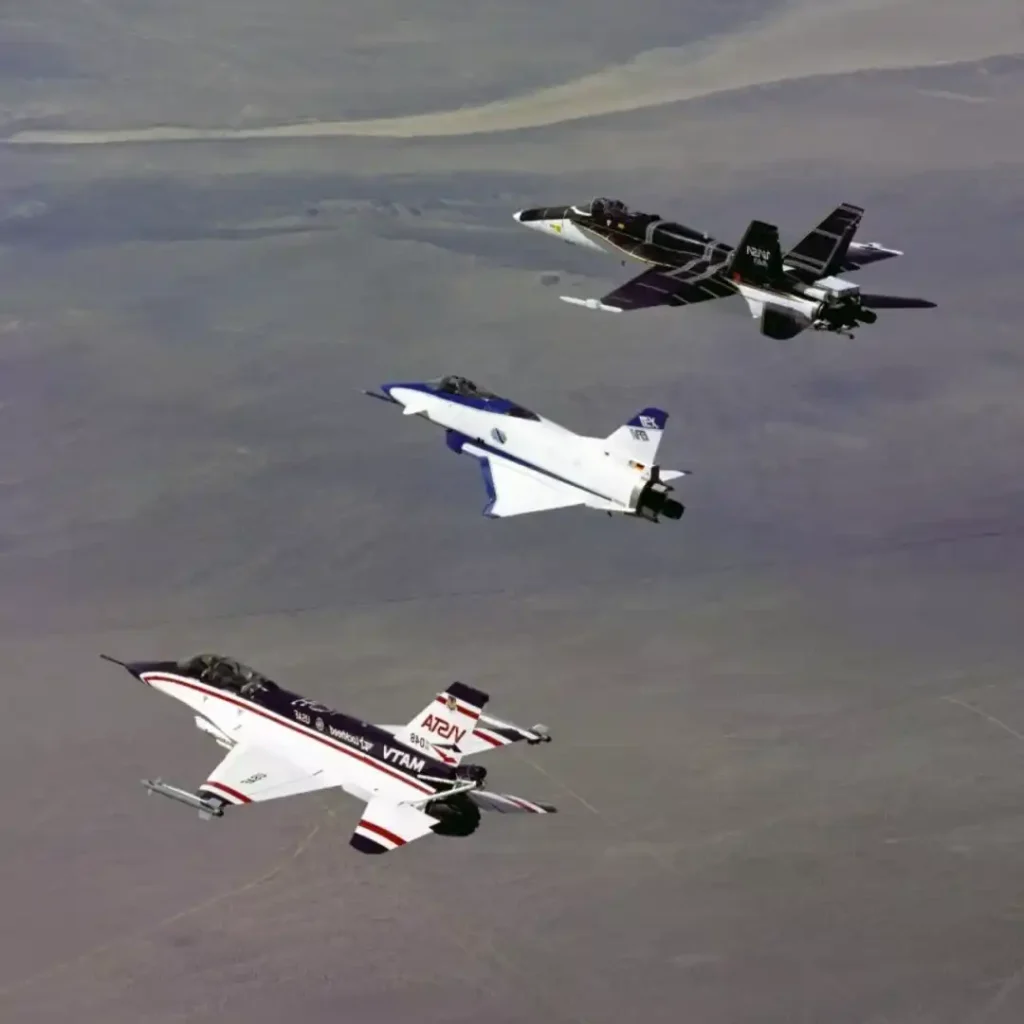
In recent years, there has been renewed interest in thrust vectoring technology, driven by advancements in materials science, computational fluid dynamics (CFD), and systems integration. The latest developments focus on integrating thrust vectoring nozzles with advanced aerodynamic designs to optimize fuel efficiency, maneuverability, and mission flexibility for carrier-based aircraft.
The Impact of Advanced Materials and AI-Based Control Systems
The introduction of lightweight materials and corrosion-resistant coatings has significantly improved the durability of thrust vectoring nozzles, particularly for operations in harsh maritime environments. These advanced materials extend the lifespan of the nozzles and reduce the cost of maintenance, which has traditionally been a major concern for aircraft operators.
Moreover, the integration of artificial intelligence (AI) into the control systems of thrust vectoring nozzles is expected to enhance the performance of carrier-based aircraft. AI can enable real-time adjustments to thrust vectoring during flight, taking into account various factors such as altitude, speed, aircraft attitude, and environmental conditions. This will allow for more efficient energy management and maneuverability during both combat and takeoff/landing operations.
Challenges and Future Developments
While the potential of thrust vectoring is clear, the technology faces several hurdles that must be overcome before it can be fully integrated into the next generation of carrier-based aircraft. The most pressing challenge remains the complexity of the systems required to control the thrust vectoring nozzles. The integration of these systems must be seamless and reliable, ensuring that the aircraft’s performance is not compromised by mechanical failures.
Furthermore, as military aircraft become increasingly sophisticated, there will be a growing demand for modular designs that allow for customizable thrust vectoring nozzles that can be adapted for different missions and environments. The future of thrust vectoring technology in carrier-based aircraft will likely include modular nozzle designs, allowing for easier maintenance and faster deployment.
Conclusion
The evolution of thrust vectoring nozzles in carrier-based aircraft has been marked by significant technological advancements and operational challenges. From the early prototypes to the latest cutting-edge models, thrust vectoring has proven itself to be a key technology for enhancing maneuverability, short takeoff and landing capabilities, and overall combat performance. As research continues and new materials and technologies emerge, the future of thrust vectoring in carrier-based aircraft looks promising, with the potential to revolutionize how naval aviation operates on the world’s most powerful platforms. The continued integration of thrust vectoring will be crucial in ensuring that carrier-based fighters maintain their edge in the complex and ever-evolving landscape of modern warfare.