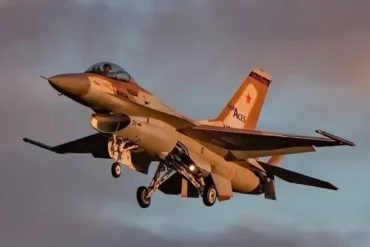
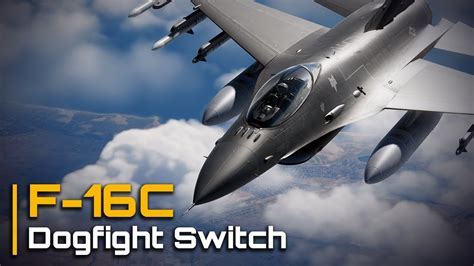
The F-16 Fighting Falcon is one of the most maneuverable fourth-generation fighter jets, excelling in both instantaneous and sustained turn performance. Its turn rate capabilities are a result of a high thrust-to-weight ratio, advanced aerodynamics, and a sophisticated flight control system. Understanding the turn rate of the F-16 is crucial for pilots, defense analysts, and aviation enthusiasts seeking to grasp the aircraft’s combat effectiveness.
Instantaneous Turn Rate
The instantaneous turn rate defines how quickly an aircraft can change direction at a given moment. The F-16 performs exceptionally in this regard due to its relaxed static stability design and high engine thrust.
- Maximum Instantaneous Turn Rate: The F-16 can achieve an impressive 25.5 degrees per second at low altitude (sea level) when flying between 300–450 knots. This high turn rate allows for quick directional changes, making it highly effective in dogfights.
- Corner Speed Performance: The aircraft reaches optimal maneuverability at around 430–450 knots (Mach 0.8) and 15,000 feet altitude, where it can sustain a 9g load factor while maintaining a 20-degree per second turn rate.
These characteristics make the F-16 superior in high-speed engagements, providing an edge in two-circle fights where rapid turns are essential.
Sustained Turn Rate
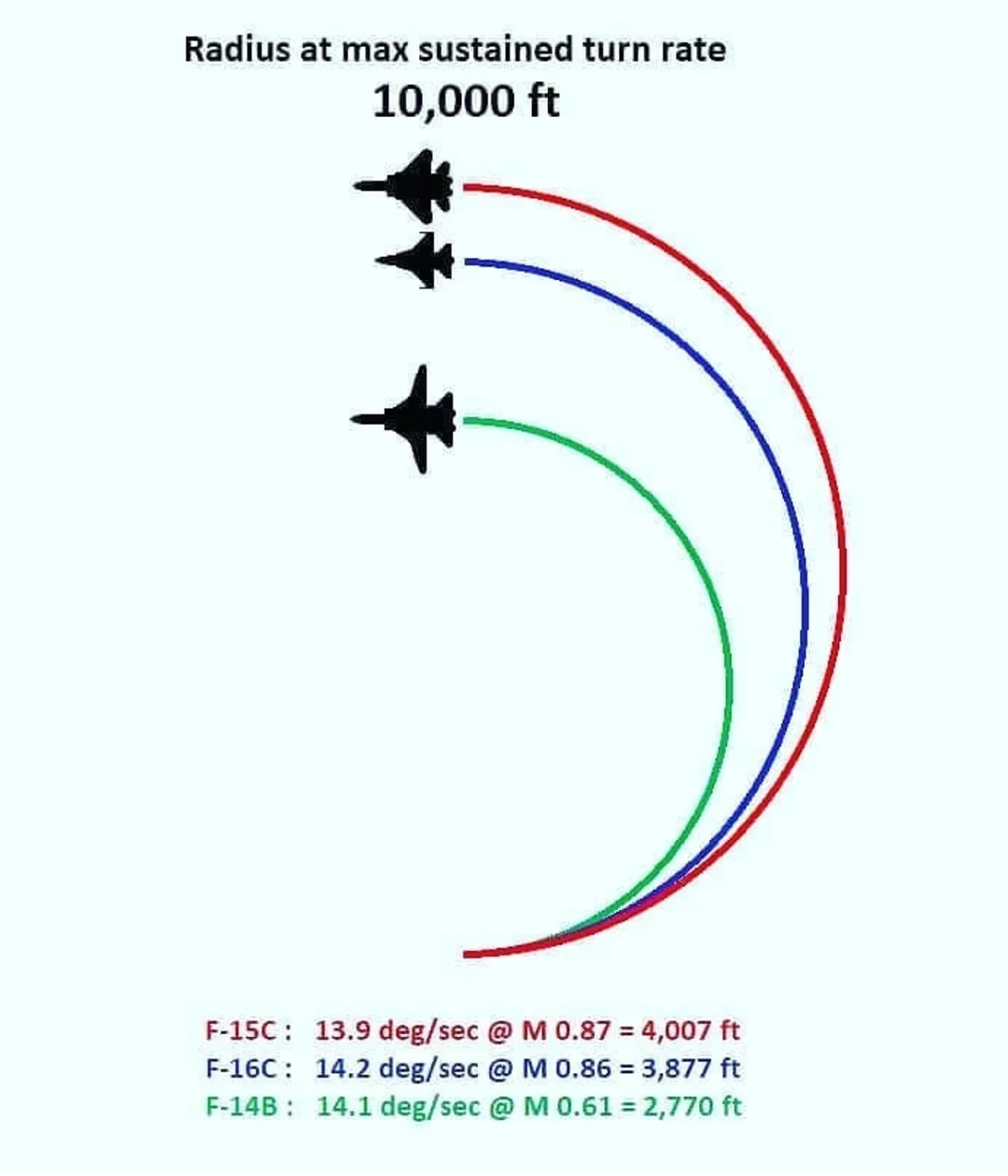
The sustained turn rate refers to the ability of an aircraft to maintain a turn without losing speed or altitude. The F-16’s aerodynamic efficiency enables it to sustain high-g maneuvers effectively.
- Level Flight Performance: At Mach 0.8 and 15,000 feet, the F-16 maintains a sustained turn rate of 14 degrees per second at 7g, completing a 180-degree turn in approximately 13 seconds.
- High-Altitude Limitations: The sustained turn rate declines significantly above 11,000 meters (36,000 feet) due to reduced air density. At Mach 1.5, the turn rate may drop below 5 degrees per second, making high-altitude dogfights more dependent on energy management rather than pure agility.
Turn Radius and Its Impact on Combat
The turn radius is a critical factor in aerial engagements, determining how tight an aircraft can maneuver within a confined space.
- Minimum Turn Radius: At low speeds (~150 knots, Mach 0.3), the F-16 achieves a turn radius of less than 2,000 feet, benefiting from leading-edge extensions (LERX) and direct lift control.
- High-Speed Constraints: At its maximum speed (800 knots, Mach 1.2), the F-16’s turn radius expands significantly to 9,000 feet, limiting its ability to execute tight turns effectively.
The trade-off between speed and agility highlights the importance of energy conservation in dogfighting, as pilots must carefully manage airspeed to maximize maneuverability.
Factors Affecting Turn Performance
Several factors influence the F-16’s turn rate, including weight, altitude, and external load configurations.
Energy Management
- The F-16’s specific excess power (Ps) determines its ability to sustain high-turn rates. At corner speed (~450 knots, Mach 0.8), Ps is negative (-800 ft/sec), meaning the aircraft loses altitude or speed while maintaining maximum turn performance.
Combat Configuration
- The presence of external stores (missiles, fuel tanks, targeting pods) increases drag and weight, reducing turn rates by 15–20% compared to a clean configuration.
Thrust Vectoring
- Later variants, such as the F-16V, incorporate thrust-vectoring nozzles, enhancing post-stall maneuverability. However, legacy turn rate charts do not account for these improvements.
Comparison with Other Fighter Jets
The F-16’s turn rate outperforms several contemporary aircraft, making it a formidable opponent in aerial engagements.
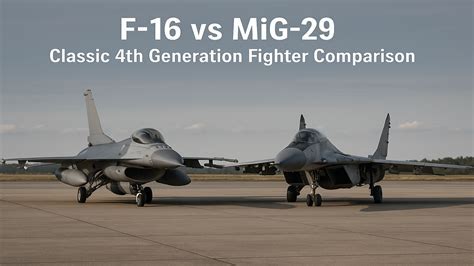
- vs. MiG-29 Fulcrum: The F-16’s instantaneous turn rate (25.5°/s) is superior to the MiG-29’s 22°/s, attributed to its better aerodynamics and flight control system.
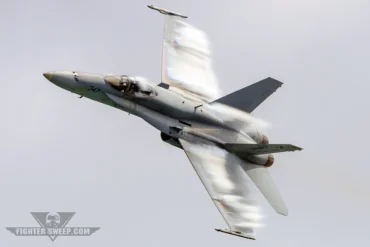
- vs. F/A-18 Hornet: The F-16 excels in rate fights (two-circle engagements) but is closely matched with the F/A-18 in radius fights (one-circle engagements) due to the latter’s superior high-alpha performance.
Key Performance Metrics
| Parameter | Value | Conditions |
|---|---|---|
| Max Instantaneous Turn Rate | 25.5°/s | Low altitude, 300–450 knots |
| Sustained Turn Rate | 14°/s | Mach 0.8, 15,000 ft |
| Minimum Turn Radius | <2,000 ft | 150 knots, clean configuration |
| 180° Turn Time | ~13 seconds | Sustained 14°/s |
The F-16’s maneuverability advantage lies in its ability to retain energy during high-g turns and execute rapid offensive or defensive posture shifts, making it a benchmark for fourth-generation fighter agility.
Frequently Asked Questions
1. What is the F-16’s maximum turn rate?
The maximum instantaneous turn rate of the F-16 is 25.5 degrees per second at low altitude (~300–450 knots). The sustained turn rate is 14 degrees per second at Mach 0.8 and 15,000 feet.
2. How does altitude affect the F-16’s turn rate?
At higher altitudes, the air density decreases, reducing lift and engine efficiency. This leads to a significant drop in sustained turn rates, especially above 11,000 meters (36,000 feet), where the turn rate can fall below 5 degrees per second.
3. How does the F-16 compare to other fighter jets in turning ability?
The F-16 surpasses the MiG-29 in instantaneous turn rate but is closely matched with the F/A-18 in sustained turns. It is particularly strong in rate fights due to its high-speed agility and energy retention.