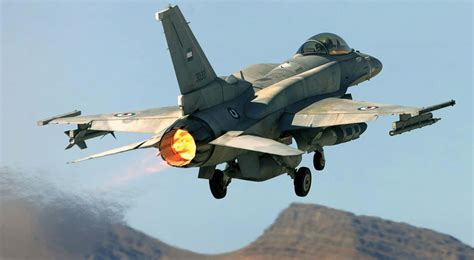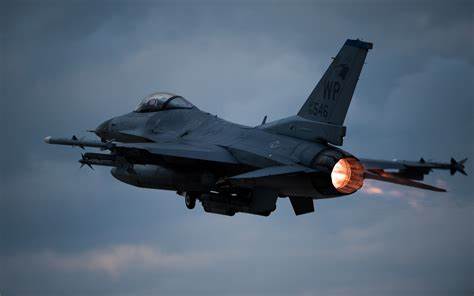
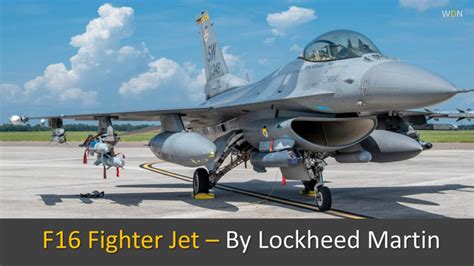
The F-16 Fighting Falcon, a highly versatile and widely used multirole fighter aircraft, is renowned for its agility and combat effectiveness. However, operating this aircraft comes with substantial expenses, particularly when engaging its afterburner, a critical component for high-speed maneuvers. In this analysis, we break down the fuel consumption and cost implications associated with the F-16’s afterburner usage.
Understanding Afterburner Fuel Consumption
The afterburner is a secondary combustion system that injects additional fuel directly into the exhaust stream of a jet engine. This significantly increases thrust but at the cost of vastly higher fuel consumption.
For the F-16 Fighting Falcon, commonly equipped with the F110-GE-100 engine, the fuel consumption characteristics vary significantly between conventional and afterburner usage:
- Military Thrust (without afterburner): Fuel consumption is approximately 3,200 kg per hour.
- Maximum Afterburner Thrust: Fuel consumption surges to nearly 15,000 kg per hour, about 4 to 5 times the normal rate.
This exponential increase in fuel usage directly translates to skyrocketing operational costs, making afterburner usage a carefully considered decision in combat scenarios.
Hourly Fuel Cost of an F-16 With and Without Afterburner
The baseline operational cost of an F-16 in standard flight is approximately $22,514 per hour, with fuel alone contributing around $5,700 per hour. However, when the afterburner is engaged, fuel consumption increases dramatically, and the fuel cost alone rises to between $22,800 and $28,500 per hour. This estimate is based on a 5x increase in fuel usage when using maximum afterburner thrust.
To put this into perspective:
- Normal flight (without afterburner): $5,700 per hour (fuel cost)
- Afterburner engaged: $22,800–$28,500 per hour (fuel cost)
Operational Scenarios Impacting Afterburner Use
Short-Term High-Performance Maneuvers
The afterburner is primarily used for:
- Rapid acceleration
- Supersonic flight
- Short takeoffs
- Combat situations requiring extreme agility
During air-to-air combat, pilots often engage the afterburner for a few seconds to a couple of minutes, limiting excessive fuel depletion.
Interceptor and Quick Reaction Alerts
During an interception mission, an F-16 may use the afterburner to close the distance to an intruding aircraft quickly. Once within engagement range, the pilot reverts to military thrust (non-afterburner) mode to conserve fuel.
Extended Afterburner Use: Rare But Costly
Although the afterburner provides unmatched thrust, sustained use is impractical due to the sheer fuel consumption. A full fuel load on an F-16 would be depleted within minutes at full afterburner thrust.
Indirect Costs: Increased Maintenance and Wear
Frequent afterburner use not only increases fuel costs but also accelerates engine wear and maintenance expenses:
- Higher thermal stress on the engine
- Increased component fatigue
- More frequent overhauls and inspections
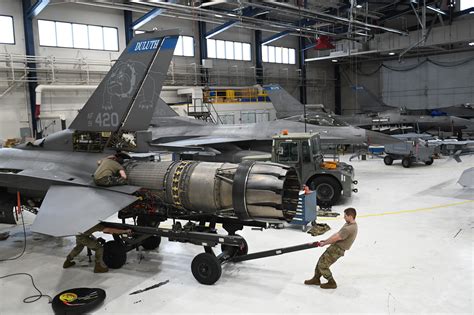
The annual maintenance cost of an F-16 is estimated at $10 million per aircraft, and excessive afterburner use contributes significantly to engine wear and tear, increasing long-term expenses.
Conclusion: Striking a Balance Between Performance and Cost
Engaging the afterburner on an F-16 is an operational necessity in certain situations but comes at a steep financial and logistical cost. The increase in fuel consumption from $5,700 per hour to potentially $28,500 per hour underscores why its use is limited to short bursts during combat or high-speed interception. Additionally, the long-term implications on engine maintenance further justify minimizing unnecessary afterburner engagement to ensure a balance between operational efficiency and economic sustainability.
Frequently Asked Questions (FAQ)
1. How long can an F-16 fly with the afterburner fully engaged?
If an F-16 operates at full afterburner continuously, it can deplete its entire internal fuel load in less than 10 minutes. This is why afterburner usage is typically limited to short bursts rather than prolonged flight durations.
2. Does the afterburner increase speed significantly?
Yes, the afterburner dramatically increases thrust, allowing the F-16 to reach supersonic speeds and rapidly accelerate. However, the trade-off is excessive fuel consumption, making it unsustainable for extended flight periods.
3. Can an F-16 complete a mission without using the afterburner?
Yes, many missions such as routine patrols, reconnaissance, and most ground attack missions can be conducted without afterburner usage. However, in combat or interception scenarios, short bursts of afterburner thrust are often necessary for maneuverability and engagement.