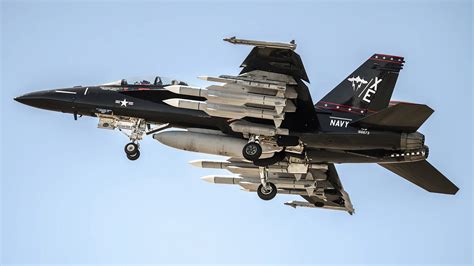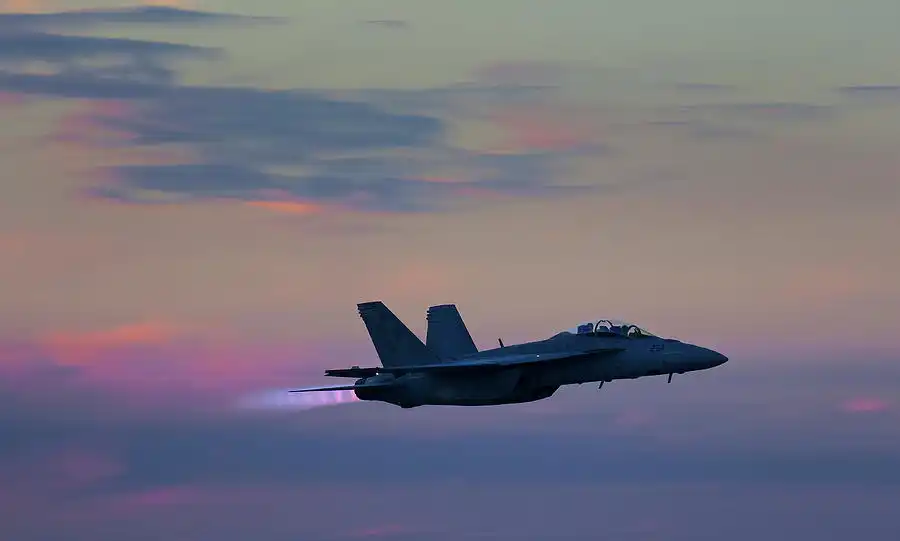
The F/A-18 Hornet and its successor, the F/A-18E/F Super Hornet, have long been a cornerstone of U.S. Navy and Marine Corps aviation. One of the defining features of this aircraft family is its afterburner-equipped turbofan engines, which provide a significant thrust boost essential for supersonic flight, rapid acceleration, and high-G maneuvers. This article explores the engineering, operational benefits, and limitations of the afterburner system in F-18 series aircraft, comparing it to other fighter jets in modern aerial warfare.
Engine Evolution and Afterburner Functionality
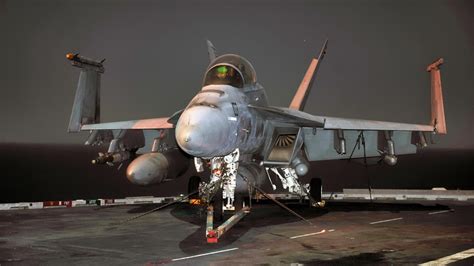
Early F/A-18 models (A/B/C/D variants) were powered by General Electric F404-GE-400 engines, while later versions (E/F Super Hornet and EA-18G Growler) were upgraded to the more powerful F414-GE-400 engines. The F414 engine, producing up to 22,000 pounds (98 kN) of thrust per engine, delivers superior acceleration and combat performance, especially when the afterburner is engaged.
How Afterburners Work
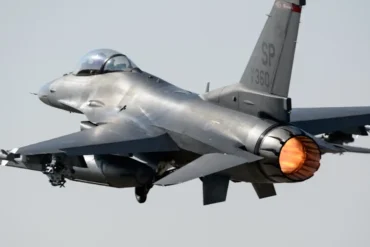
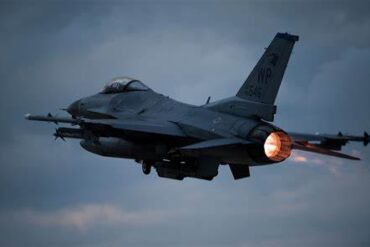
An afterburner operates by injecting additional fuel into the hot exhaust stream behind the turbine, igniting the unburned oxygen to create a secondary combustion phase. This results in a dramatic increase in thrust, essential for supersonic flight, emergency takeoffs, and evasive maneuvers. The downside is that afterburners are extremely fuel-intensive, reducing operational range significantly when in use.
Performance Gains from Afterburner Activation
Supersonic Capability
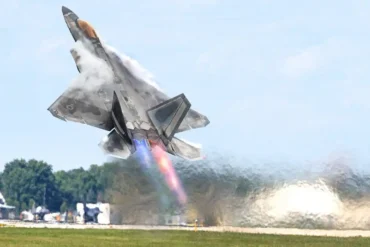
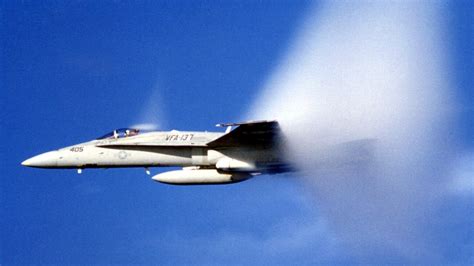
While the F/A-18 series can achieve Mach 1+ speeds with afterburner activation, its design prioritizes maneuverability over raw speed. The aerodynamic shape and high-lift wing configuration impose some drag limitations, preventing sustained supersonic cruise unless minimal external stores are carried. In comparison, aircraft like the F-22 Raptor achieve sustained supersonic speeds without afterburners, thanks to their supercruise capability.
Tactical Benefits in Air Combat
In air-to-air combat, afterburner usage enables the F/A-18 to execute rapid energy maneuvers, allowing it to gain positional advantages in dogfights. The high thrust-to-weight ratio of the F414 engines also enhances vertical climb rates, making the Super Hornet highly effective in beyond-visual-range (BVR) missile engagements.
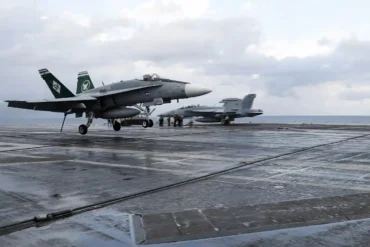
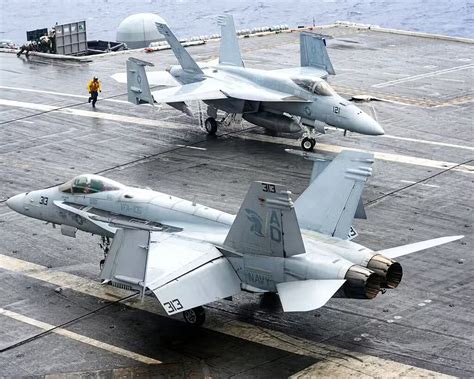
During carrier operations, the added thrust from the afterburners is essential for short takeoff from aircraft carriers (CATOBAR systems). It ensures the aircraft reaches takeoff speed within the limited deck length of nuclear-powered supercarriers like the USS Nimitz and USS Gerald R. Ford.
Operational Constraints and Engineering Trade-offs
Fuel Consumption and Mission Endurance
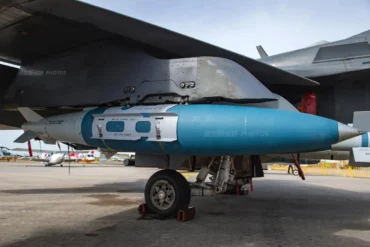
The high fuel burn rate of the afterburner significantly limits the aircraft’s operational range. The introduction of conformal fuel tanks (CFTs) on the Silent Hornet has helped mitigate this issue, but pilots must still carefully balance thrust requirements with endurance limitations.
Structural Fatigue and Maintenance Impact
Frequent afterburner use increases thermal stress on engine components, reducing service life. The high temperatures also contribute to metal fatigue in airframe structures, particularly around the nozzle and tail section. Studies indicate that Super Hornet variants operating in carrier environments often see accelerated wear, reducing expected service life from 6,000 flight hours to around 3,000 hours under high-stress conditions.
Comparisons with Other Fighter Jets
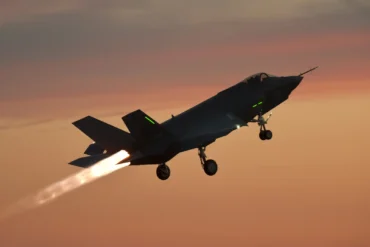
Compared to the F-35C Lightning II, which prioritizes stealth and sensor fusion, the F/A-18’s afterburner provides superior high-speed performance and immediate thrust response. However, the F-35C’s advanced engine (Pratt & Whitney F135) compensates with higher baseline thrust, reducing reliance on afterburner usage for acceleration.
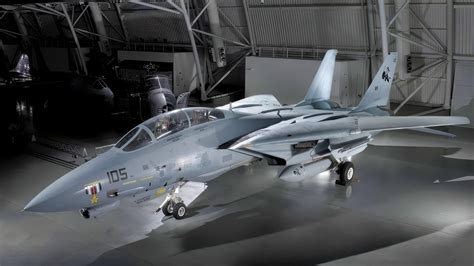
Similarly, the retired F-14 Tomcat, equipped with twin Pratt & Whitney TF30 engines, had a higher top speed (Mach 2.34) but suffered from engine reliability issues, whereas the Super Hornet’s F414 engines offer a better balance of reliability and performance.
Future of Afterburner Technology in Naval Aviation
As naval aviation evolves, afterburners may become less critical due to advancements in thrust vectoring, electric-assisted propulsion, and adaptive cycle engines. The proposed F/A-XX sixth-generation fighter aims to integrate variable cycle engines, potentially reducing fuel penalties while maintaining high thrust output.
Moreover, hypersonic propulsion technologies, such as scramjets and combined-cycle engines, could redefine supersonic and hypersonic combat applications, diminishing the traditional role of afterburners in future fighter designs.
Conclusion
The afterburner-equipped engines of the F/A-18 Hornet and Super Hornet remain a vital asset for U.S. Navy air superiority. While they enable rapid acceleration, carrier takeoffs, and high-energy air combat maneuvers, their use must be carefully managed due to high fuel consumption and maintenance implications. As future aircraft integrate next-generation propulsion technologies, afterburners may gradually be phased out, but for now, they continue to provide an essential combat advantage in modern aerial warfare.
FAQ
1. Why does the F/A-18 need an afterburner for takeoff?
Aircraft carrier runways are extremely short, requiring maximum thrust for takeoff. The afterburner provides the necessary instantaneous thrust boost, allowing the F/A-18 to achieve lift-off speed within a limited deck length.
2. How does afterburner use affect the F/A-18’s range?
Afterburners consume exponentially more fuel compared to standard engine operation. When engaged, the aircraft’s operational range drops significantly, necessitating aerial refueling or additional external fuel tanks for long-range missions.
3. Can the F/A-18 sustain supersonic speeds without an afterburner?
No, unlike aircraft with supercruise capability (such as the F-22 Raptor), the F/A-18 requires afterburner activation to sustain speeds above Mach 1. Its aerodynamic design prioritizes maneuverability over sustained supersonic performance.