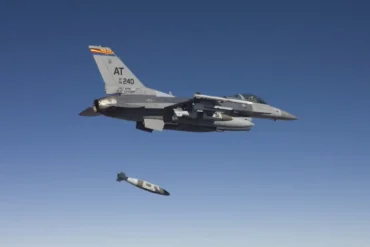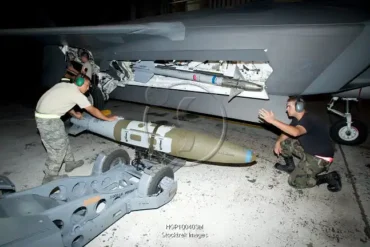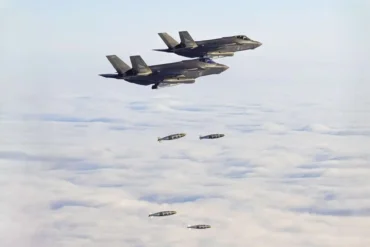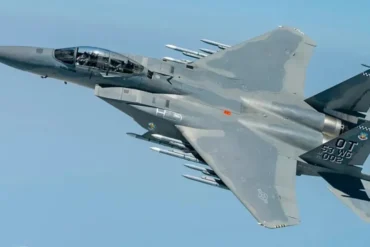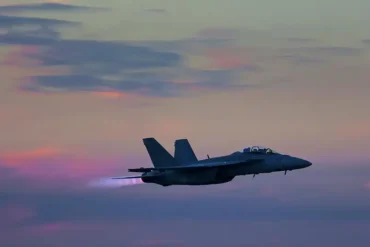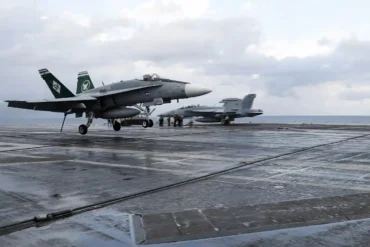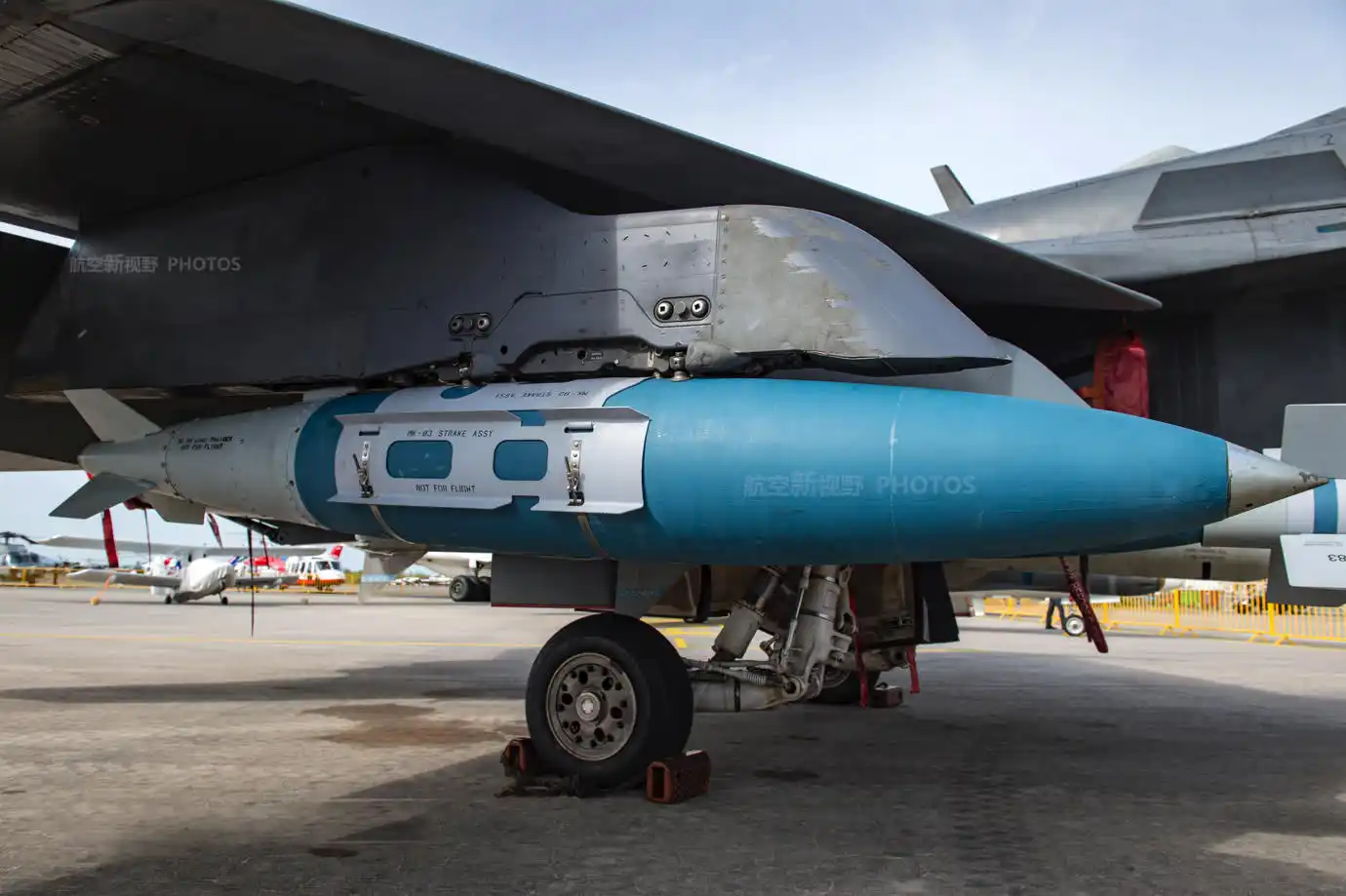
The F/A-18 Hornet and its advanced variant, the F/A-18E/F Super Hornet, serve as crucial platforms for deploying the Joint Direct Attack Munition (JDAM). This integration has enhanced the aircraft’s precision strike capabilities, making it an essential asset for modern air combat operations. Equipped with advanced GPS/INS guidance kits, JDAMs enable all-weather, high-accuracy bombing, solidifying the F/A-18’s role in multi-mission operations.
JDAM Integration with the F/A-18
The F/A-18 can carry multiple JDAM variants, including:
- GBU-32 (based on the 450 kg MK-83 bomb)
- GBU-31 (based on the 900 kg MK-84 bomb)
These munitions utilize GPS/INS guidance, providing a circular error probable (CEP) of just 10–13 meters. This ensures that even in adverse weather conditions or enemy countermeasures, JDAMs maintain precision.
Unlike traditional unguided bombs, JDAMs allow the F/A-18 to strike designated targets with pinpoint accuracy while minimizing collateral damage. The aircraft can simultaneously carry a mix of laser-guided bombs (e.g., GBU-12, GBU-16) and air-to-air missiles (AIM-9X, AIM-120), allowing pilots to switch between engagement modes as required.
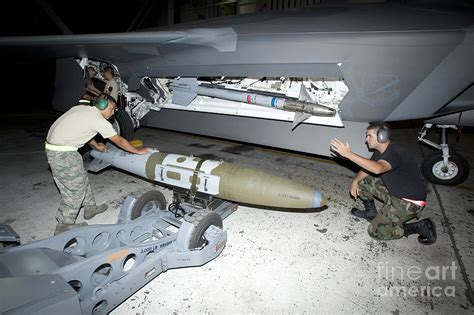
Operational History and Upgrades
First Combat Use
JDAMs were first deployed in 1999 during NATO’s Operation Allied Force, primarily used by B-2 stealth bombers. The F/A-18 began extensive JDAM operations in later conflicts, including:
- 2001 Afghanistan campaign (Operation Enduring Freedom)
- 2003 Iraq War (Operation Iraqi Freedom)
By 2003, JDAMs accounted for over 20% of precision-guided munitions used in the Iraq War. Their effectiveness and affordability made them the preferred weapon for sustained air campaigns.
Modernization and Extended Capabilities
To enhance combat effectiveness, upgraded F/A-18 variants, such as Malaysia’s F/A-18D, utilize GBU-32 JDAMs for improved stand-off range (~28 km). The U.S. Navy’s Super Hornets incorporate Extended Range JDAMs (ER-JDAM) featuring foldable “Diamond Back” wings, extending strike range to 75–110 km.
These enhancements allow JDAM-equipped F/A-18s to strike targets from safe distances, reducing vulnerability to enemy air defenses.
Key Advantages of JDAM on the F/A-18
All-Weather Capability
Unlike laser-guided bombs, which require clear visibility of the target, JDAMs rely solely on GPS/INS navigation, ensuring they remain effective in fog, rain, smoke, or nighttime operations.
Cost-Effectiveness
A JDAM guidance kit costs approximately $25,000 per unit, significantly cheaper than laser-guided alternatives (e.g., GBU-12 at $50,000 per unit). This cost efficiency makes JDAMs an ideal choice for high-tempo combat missions.
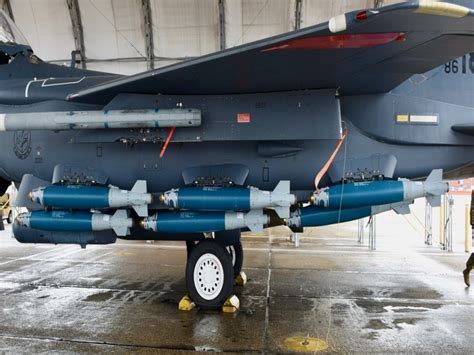
Multi-Role Flexibility
The F/A-18’s multi-role design allows it to simultaneously carry:
- JDAMs for precision ground strikes
- Air-to-air missiles (AIM-9X, AIM-120) for aerial combat
- Anti-ship missiles (AGM-84 Harpoon) for naval engagement
This enables pilots to execute complex mission profiles, including deep strike, air interdiction, and close air support without reconfiguration.
Global Deployment of JDAM-Equipped F/A-18s
The F/A-18 fleet equipped with JDAMs is operational in several allied nations, including:
- United States Navy & Marine Corps
- Royal Australian Air Force (RAAF)
- Royal Malaysian Air Force
- Royal Canadian Air Force
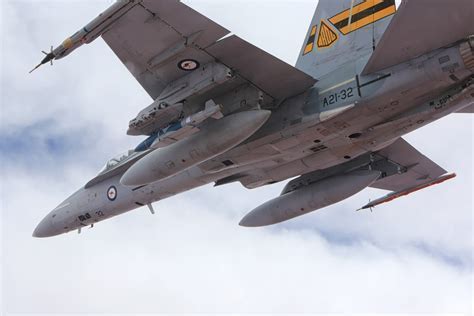
For instance, Australia’s F/A-18 fleet upgrades in the mid-2000s integrated JDAMs, significantly improving precision-strike capabilities against fortified enemy positions.
Technical Configuration of JDAM on the F/A-18
Guidance System
JDAMs utilize a tail-mounted GPS/INS guidance kit, featuring:
- Mission computers for target input
- Anti-jamming GPS antennas to counter enemy electronic warfare
Weapons Loadout and Compatibility
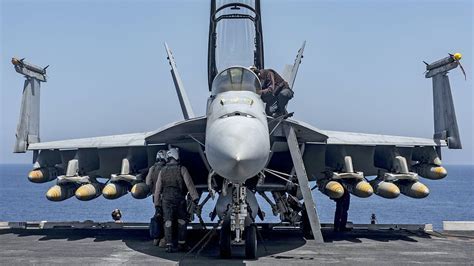
The F/A-18’s eight hardpoints allow JDAMs to be mounted on:
- Wing pylons (outer and inner stations)
- Centerline stations for larger payloads
Using composite racks, an F/A-18 can carry dual JDAMs on a single hardpoint, maximizing munition loadout efficiency.
Conclusion
The F/A-18’s integration of JDAMs exemplifies its role as a versatile, precision strike fighter. Combining advanced guidance systems, cost-effectiveness, and multi-role adaptability, it remains a cornerstone of modern air combat operations. With continuous upgrades, including extended-range JDAMs, the F/A-18 ensures dominance in contested airspace and battlefield superiority.
Frequently Asked Questions (FAQ)
1. How accurate are JDAMs when launched from an F/A-18?
JDAMs have a circular error probable (CEP) of 10–13 meters, making them highly accurate for precision strikes. Their GPS/INS guidance system ensures effectiveness in all-weather conditions.
2. Can the F/A-18 carry multiple JDAMs at once?
Yes, the F/A-18’s eight hardpoints allow it to carry multiple JDAMs. Using composite racks, it can mount two JDAMs per hardpoint, increasing its payload efficiency.
3. What is the range of a JDAM when launched from an F/A-18?
Standard JDAMs have a range of approximately 28 km. However, the Extended Range JDAM (ER-JDAM) used by the U.S. Navy’s Super Hornets can strike targets up to 110 km away using foldable wings for enhanced glide performance.