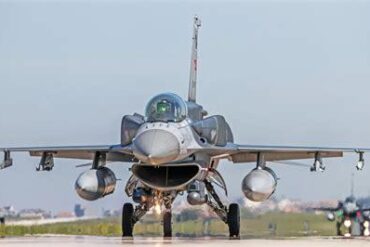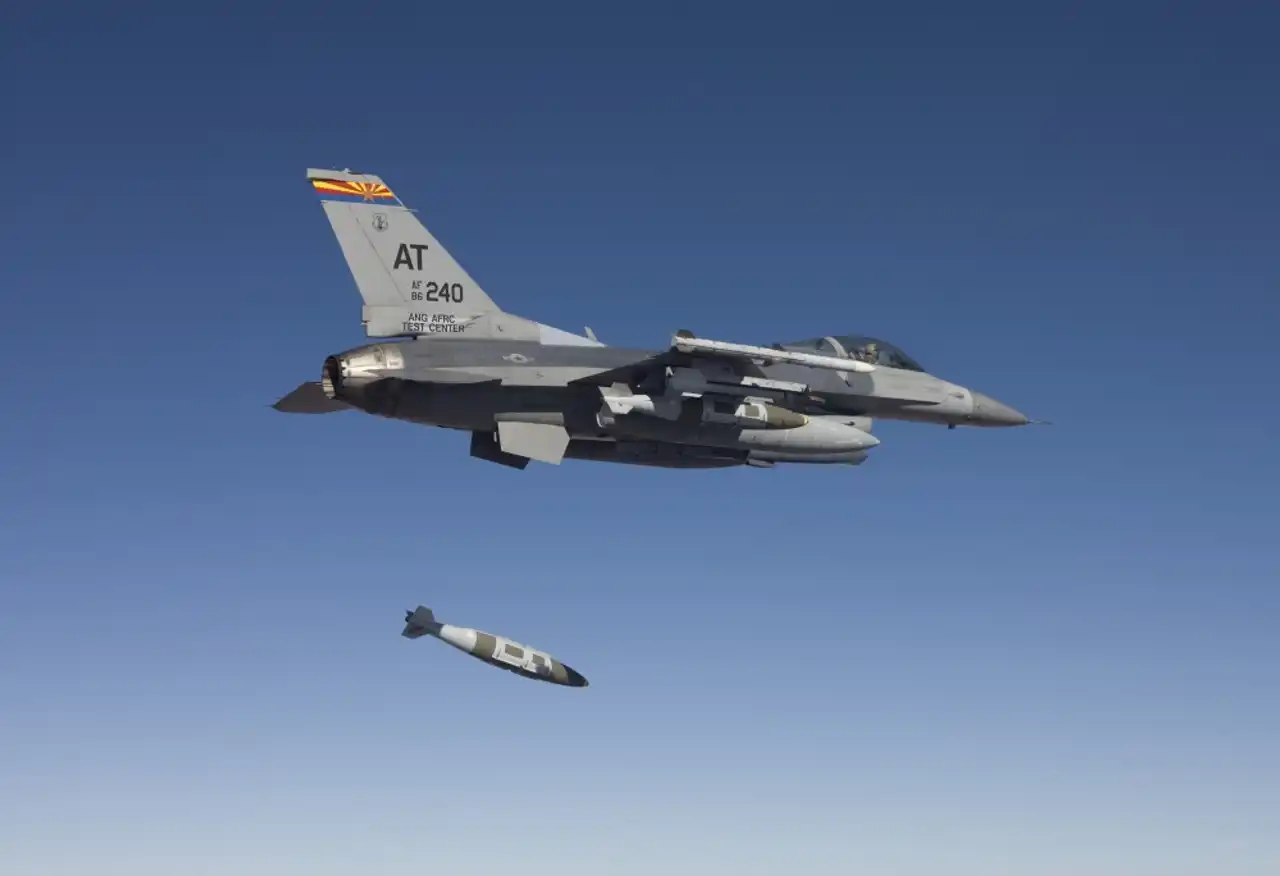
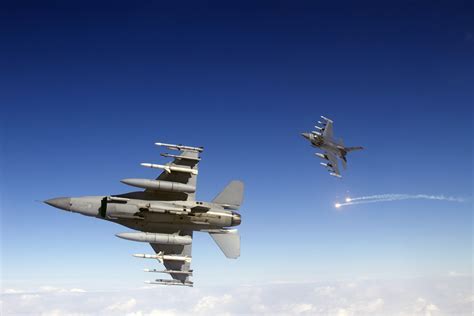
The F-16 Fighting Falcon is a highly versatile multirole fighter aircraft renowned for its agility, advanced avionics, and combat effectiveness. Among its many capabilities, the integration of JDAM (Joint Direct Attack Munition) enhances its precision strike role, enabling it to effectively engage ground targets with minimal collateral damage. The JDAM is a GPS-guided bomb that converts traditional unguided munitions into highly accurate smart bombs, making it a critical asset in modern aerial warfare.
JDAM Variants and F-16 Compatibility
JDAM Types and Mounting Configurations
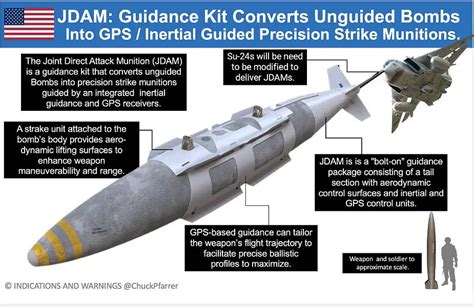
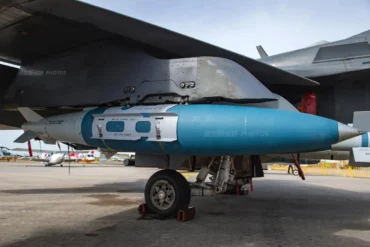
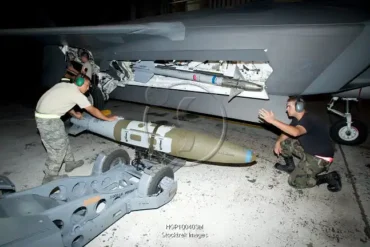
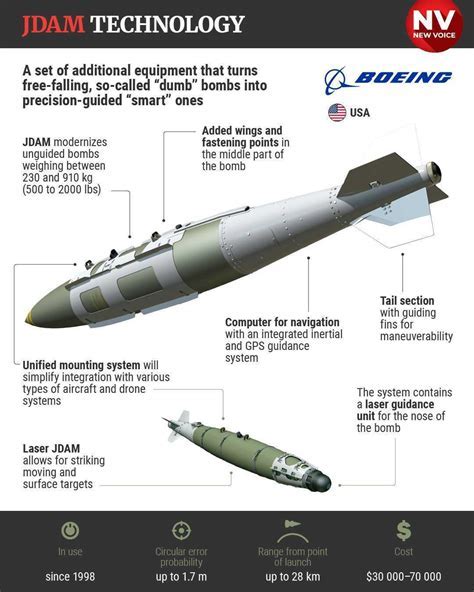
The F-16 can carry multiple JDAM variants, with the GBU-31 (2,000-pound class bomb) being one of the most commonly deployed. The JDAM system consists of a guidance tail kit attached to a conventional bomb, such as the Mk-84 or BLU-109. The GPS/INS (Inertial Navigation System) guidance system allows the bomb to strike fixed and moving targets with high precision, even in adverse weather conditions or areas with significant electronic interference.
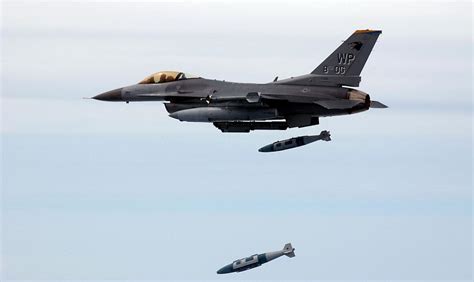
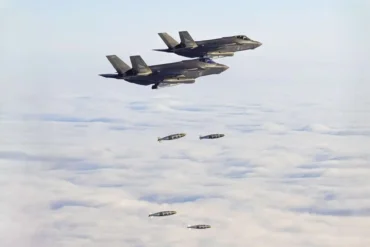
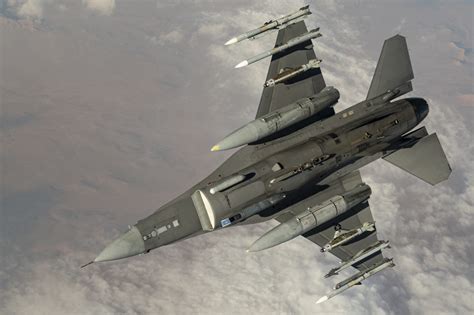
The mounting configuration of JDAMs on the F-16 depends on the mission requirements. Typically, the aircraft’s fuselage and inner wing pylons are used for JDAM deployment. The F-16 can carry up to four GBU-31 JDAMs, although this number may vary depending on the operational loadout, fuel requirements, and additional systems such as electronic warfare pods.
Mission Adaptability and Tactical Integration
JDAM in Suppression of Enemy Air Defenses (SEAD) and Deep Strike Missions
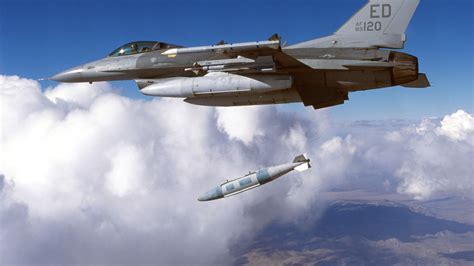
JDAM-equipped F-16s play a crucial role in SEAD (Suppression of Enemy Air Defenses) and deep strike missions. In SEAD operations, the F-16 employs JDAMs in conjunction with electronic warfare pods (such as the AN/ALQ-131 or AN/ALQ-184) to neutralize enemy radar and surface-to-air missile (SAM) sites.
For deep strike missions, the F-16 commonly adopts a mixed loadout that includes:
- Two JDAMs for precision ground attack
- External fuel tanks to extend operational range
- Electronic warfare pods for enhanced survivability
This combination allows the F-16 to engage high-value targets, such as command centers, airfields, and infrastructure, with pinpoint accuracy.
Compatibility with Advanced Avionics
JDAM’s integration with the F-16’s fire control radar and mission computer ensures seamless operation. Modern F-16 variants, such as the Block 50/52 and Block 70/72 (F-16V), feature advanced avionics that enhance JDAM targeting efficiency. The AN/APG-83 AESA radar improves target detection and tracking, while the Link-16 data link system enables real-time target updates, increasing operational flexibility.
Technical Features and Advantages
Precision Guidance and Strike Capability
One of the most significant advantages of JDAM is its high accuracy and reliability. The GPS-aided guidance system ensures a circular error probable (CEP) of less than 5 meters, allowing the F-16 to conduct surgical strikes with minimal risk of collateral damage. This is particularly useful in urban warfare and counter-insurgency operations.
Cost-Effective and Modular Design
The JDAM is not a standalone weapon but a modular guidance kit that can be attached to existing unguided bombs. This design offers several benefits:
- Reduced costs compared to purpose-built smart munitions
- High adaptability, as JDAM kits can be added to various bomb types
- Ease of integration with multiple aircraft platforms, including the F-16, F-15, and B-52
Combat Deployment and Operational History
Historical Combat Use
The F-16, armed with JDAMs, has been extensively used in multiple conflicts, proving its effectiveness in real-world combat scenarios. Notable operations include:
Kosovo War (1999)
During Operation Allied Force, the F-16 deployed JDAMs to destroy Yugoslav military infrastructure, achieving high precision strikes against strategic targets under poor weather conditions.
Iraq War (2003–2011)
In Operation Iraqi Freedom, F-16s carrying JDAMs played a pivotal role in eliminating enemy bunkers, artillery positions, and armored units. The bomb’s all-weather capability made it an essential weapon during sandstorms and nighttime raids.
Recent Upgrades and Future Integration
With the continued evolution of the F-16 platform, JDAM capabilities are also advancing. The latest F-16 Block 70/72 models feature improved targeting pods, such as the Sniper ATP (Advanced Targeting Pod), which enhances JDAM employment range and precision. Future developments may include the integration of JDAM-ER (Extended Range), providing increased standoff capability for enhanced survivability.
Conclusion
The F-16 and JDAM combination represents one of the most efficient and cost-effective precision strike platforms in modern air warfare. With high accuracy, flexibility in mission planning, and advanced avionics integration, the JDAM-equipped F-16 ensures superior battlefield effectiveness. As the F-16 undergoes continuous upgrades, its ability to deploy JDAMs in complex and high-threat environments will further solidify its position as a dominant multirole fighter.
FAQ
1. How accurate is the JDAM when deployed from an F-16?
The JDAM has a circular error probable (CEP) of under 5 meters, meaning that in most cases, it will strike within a few meters of its designated target. This high precision makes it effective in eliminating high-value targets with minimal collateral damage.
2. How many JDAM bombs can an F-16 carry?
The F-16 can carry up to four GBU-31 JDAMs, typically mounted on the fuselage and inner wing pylons. The actual loadout may vary depending on mission requirements, additional fuel tanks, and electronic warfare systems.
3. Can JDAM bombs be used against moving targets?
While JDAMs are primarily designed for fixed targets, newer variants with laser guidance kits (such as the Laser JDAM – LJDAM) can engage moving targets with improved precision. These enhancements enable the F-16 to strike enemy convoys, mobile missile launchers, and fast-moving vehicles with greater accuracy.