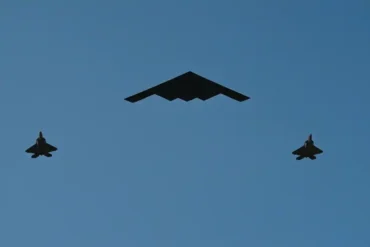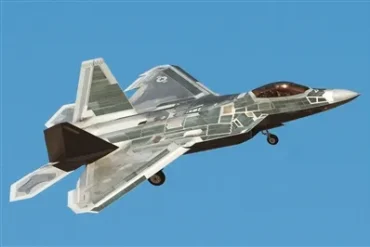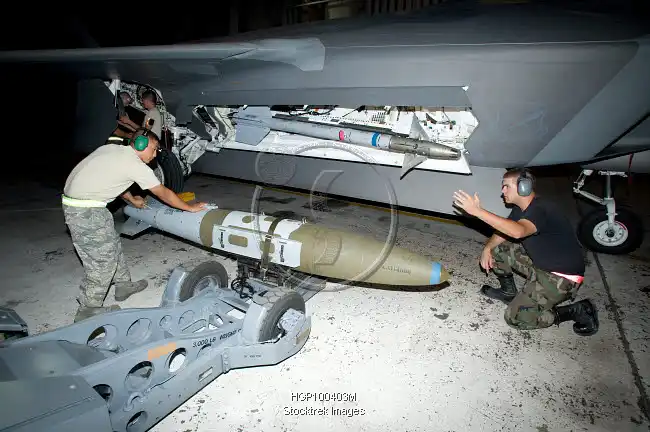
The F-22 Raptor, a fifth-generation stealth fighter, was primarily designed for air superiority but has also been adapted for precision strike missions. A crucial aspect of this adaptation is the integration of the Joint Direct Attack Munition (JDAM), a GPS/INS-guided modular bomb that transforms conventional unguided bombs into highly accurate smart weapons. Given the F-22’s stealth-oriented design, JDAM must be carried in internal weapon bays to maintain low observability.
Stealth and Internal Weapon Bay Constraints
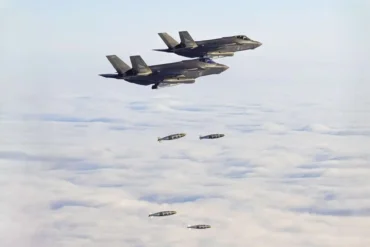
Unlike conventional fighter jets that rely on external hardpoints for weapons, the F-22 prioritizes stealth, limiting its external payload capacity. To preserve its radar-evading profile, JDAMs are stored inside the central fuselage weapons bay, with the capability to carry up to two GBU-32 JDAMs (1,000 lbs each). When stealth is not a priority, the aircraft can equip additional JDAMs on underwing pylons, albeit at the cost of increased radar cross-section (RCS).
Supersonic JDAM Deployment: A Breakthrough in Air Combat
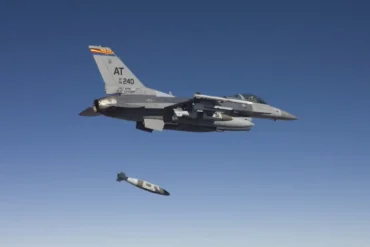
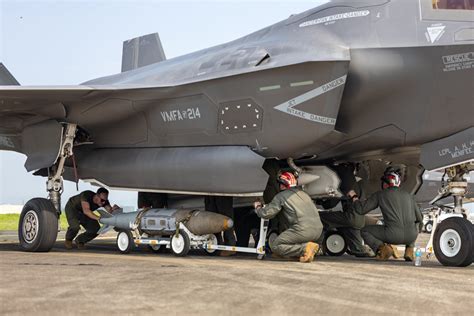
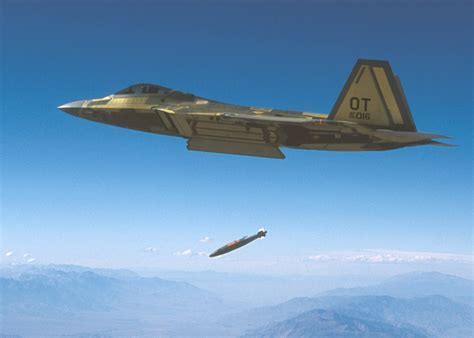
One of the F-22’s most remarkable capabilities is its ability to release JDAMs at supersonic speeds. Unlike traditional bombers that must slow down before releasing munitions, the Raptor can deploy JDAMs at speeds exceeding Mach 1.5, significantly enhancing its survivability by minimizing exposure to enemy anti-aircraft defenses.
Key Supersonic JDAM Trials
- December 2005: The first supersonic JDAM test was conducted at Edwards Air Force Base, where an F-22 successfully released a 1,000-lb JDAM at Mach 1.5, proving its capability to engage ground targets while maintaining speed.
- June 2006: Further testing demonstrated the JDAM’s accuracy at 44 km distance, showcasing seamless integration between the F-22’s avionics and the bomb’s guidance system.
These tests validated the F-22’s capability to engage ground targets from standoff distances, well outside the range of enemy surface-to-air missile systems.
JDAM Configuration and Multi-Role Flexibility
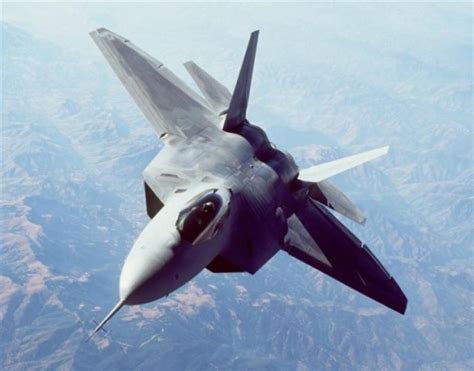
The F-22’s payload configuration enables a versatile combat role, balancing air dominance and precision ground attacks:
- Stealth Loadout:
- Two GBU-32 JDAMs (1,000 lbs each) inside the internal bay.
- Four AIM-120 AMRAAMs and two AIM-9 Sidewinders for air-to-air combat.
- Non-Stealth Loadout:
- Up to six JDAMs (GBU-32 or GBU-38, 500 lbs) using external pylons.
- Additional small-diameter bombs (SDBs) to increase strike capability.
Despite these capabilities, the stealth mode limits total payload compared to dedicated strike aircraft like the F-35 Lightning II.
Advanced Guidance and Precision Strike Enhancements
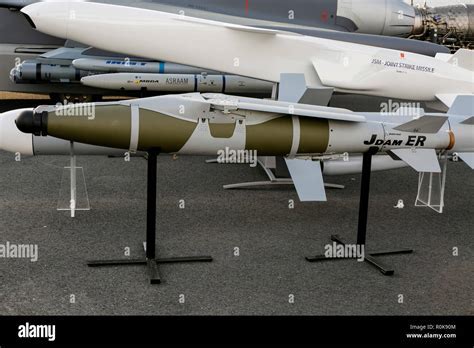
The JDAM’s guidance system has undergone several upgrades to enhance targeting accuracy:
- Improved GPS/INS Navigation: The Circular Error Probable (CEP) has been reduced from 13 meters to 3 meters, ensuring pinpoint accuracy.
- Dynamic Target Updates: The F-22 can adjust JDAM coordinates in-flight, enabling attacks on moving or time-sensitive targets.
- Enhanced Networked Warfare: The Intra-Flight Data Link (IFDL) enables the F-22 to receive real-time targeting information from airborne sensors such as AWACS and UAVs.
Operational Deployment and Combat Effectiveness
The F-22’s JDAM capability has been tested in real-world combat scenarios, demonstrating its value in high-intensity conflicts.
Syria Operations
During coalition airstrikes against ISIS, the F-22 employed JDAMs to:
- Destroy hardened bunkers and underground facilities.
- Conduct precision strikes on enemy command centers without exposing itself to radar detection.
- Operate in heavily defended airspace while maintaining low radar visibility.
SEAD (Suppression of Enemy Air Defenses) Missions
Although the F-22 is not a dedicated SEAD platform, its ability to launch JDAMs from supersonic speeds allows it to:
- Engage enemy radar installations before enemy fighters can intercept.
- Support electronic warfare aircraft in neutralizing air defense networks.
- Maintain air superiority while executing selective ground strikes.
Challenges and Future Upgrades
Despite its advanced capabilities, the F-22’s JDAM integration faces certain limitations:
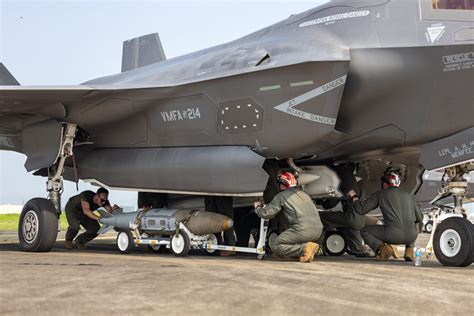
- Limited Internal Payload: The aircraft can only carry two JDAMs internally, reducing sustained strike capability.
- Dependency on GPS Navigation: JDAMs are susceptible to GPS jamming, requiring enhanced anti-jamming measures.
- Upgrades in Development:
- Integration of SDB II (GBU-53/B) for greater targeting flexibility.
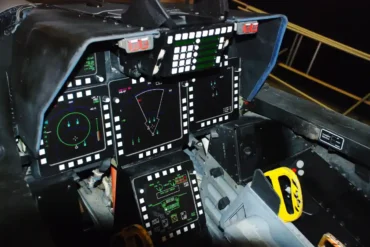
- Modernized radar and avionics to improve target acquisition.
- AI-assisted targeting algorithms for faster threat recognition.
Conclusion
The integration of JDAMs into the F-22 Raptor represents a critical advancement in fifth-generation multi-role combat capabilities. By enabling supersonic JDAM deployment, the F-22 ensures high survivability, precision targeting, and strategic flexibility. However, payload constraints and evolving battlefield threats necessitate continuous upgrades to maintain dominance in future conflicts.
Frequently Asked Questions (FAQ)
1. How does JDAM enhance the F-22’s strike capabilities?
JDAM enables the F-22 to conduct precision air-to-ground strikes while maintaining its stealth profile. The ability to release JDAMs at supersonic speeds allows the aircraft to attack targets from extended ranges, reducing exposure to enemy air defenses.
2. What are the limitations of using JDAMs on the F-22?
The primary limitation is the restricted internal payload, with a maximum of two JDAMs per mission in stealth mode. Additionally, JDAMs rely on GPS navigation, making them vulnerable to electronic warfare attacks.
3. What future upgrades will improve the F-22’s JDAM capability?
Planned upgrades include the integration of SDB II, enhanced GPS anti-jamming, and AI-driven targeting improvements. These advancements aim to increase strike accuracy, flexibility, and survivability in modern combat environments.