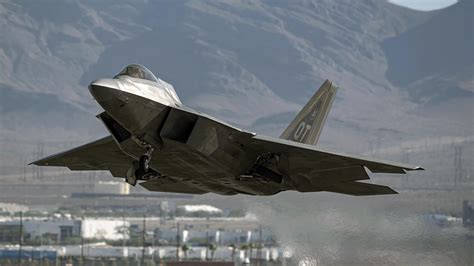
The F-22 Raptor, one of the most advanced stealth fighters in the world, has undergone experimental modifications with a mirror coating since 2021. This reflective surface treatment has sparked intense discussion in the military aviation community due to its potential implications for stealth, infrared suppression, and durability. The development of this technology suggests a shift in how the U.S. Air Force manages stealth coatings, balancing performance with operational efficiency.
Design and Evolution of the F-22 Mirror Coating
Modular Metallic Panels for Stealth and Maintenance Efficiency
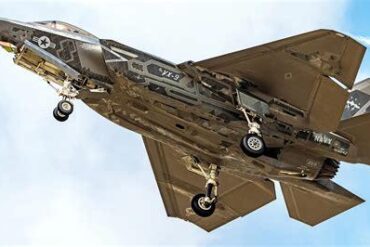
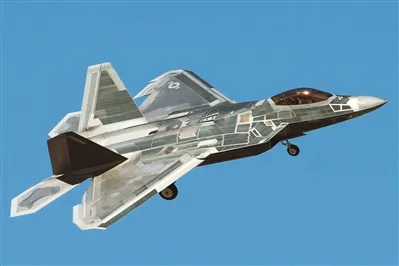
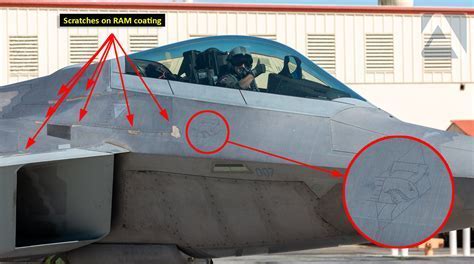
The F-22 mirror coating consists of small, metallic, high-reflectivity panels arranged in a modular fashion, resembling a fish-scale or mirror-tile pattern. The earliest versions observed in 2021 were silver-colored, whereas later refinements in 2022 included darker, smaller panels, likely to optimize radar cross-section (RCS) performance while maintaining their durability advantages.
Unlike traditional spray-on radar-absorbing coatings, these panels are detachable and replaceable, offering significant maintenance advantages. The original stealth coatings on the F-22 required extensive upkeep and were prone to degradation due to environmental exposure. By allowing localized repairs and replacements, the mirror coating reduces aircraft downtime and operational costs.
Primary Functions and Advantages
Infrared Signature Reduction Against Modern Threats
One of the most widely discussed benefits of the mirror coating is its potential for reducing infrared (IR) emissions, a critical feature in modern aerial warfare. Many advanced adversaries employ infrared search-and-track (IRST) systems, which can detect aircraft based on heat signatures. The reflective nature of the mirror tiles could scatter and deflect infrared emissions, making the aircraft harder to track via heat-based sensors.
This concept has historical precedent. During the 1990s, the F-117 Nighthawk underwent similar tests under the “Senior Spud” program, which explored reflective coatings to minimize IR detection. The F-22’s mirror coating may be a modern iteration of this concept, refined for next-generation combat scenarios.
Radar Cross-Section (RCS) Optimization for Stealth
The placement of the mirror coating panels appears strategic, often covering high-RCS areas such as the leading edges of wings and engine inlets. These sections contribute significantly to an aircraft’s radar signature. If the coating integrates advanced radar-absorbing materials (RAM), it could help minimize radar returns while improving the aircraft’s durability.
Another possibility is that the mirror coating works in tandem with other stealth enhancements, such as plasmonic materials or metamaterial designs, which manipulate electromagnetic waves to further reduce detectability. While exact specifications remain classified, the observed patterns suggest that the U.S. Air Force is refining its approach to stealth coatings for enhanced survivability in contested airspace.
Durability Enhancements and Reduced Maintenance Costs
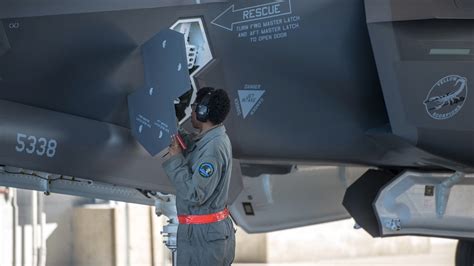
A major drawback of traditional stealth coatings has been their fragility, requiring frequent reapplications, especially after high-speed flights or exposure to harsh environments. The modular mirror panels offer a potential solution by providing a physically robust barrier against external stressors, including:
- Saltwater corrosion, crucial for carrier-based operations.
- Extreme temperatures, which degrade traditional RAM coatings.
- Abrasions from high-speed flight and weathering effects.
If these panels prove successful in operational conditions, they could pave the way for next-generation stealth coatings, reducing maintenance burdens while ensuring long-term performance.
Debunked Theories About the Mirror Coating
Laser Weapon Defense Hypothesis
Some speculated that the mirror coating could serve as a defense against directed-energy weapons (DEWs), such as high-energy laser systems. However, most experts dismiss this theory. Laser countermeasures require highly specialized reflective coatings, which must cover the entire aircraft to be effective. The partial application of mirror coating on the F-22 suggests it is not designed primarily for laser defense.
Visual Stealth and Optical Camouflage
Another theory proposed that the mirror coating might be intended to blend the F-22 into the sky, creating an optical camouflage effect. While reflective surfaces can, under certain lighting conditions, make an object harder to see, modern air combat does not rely heavily on visual identification. Instead, radar and infrared tracking dominate aerial engagements. Therefore, visual stealth is not a primary function of this new coating.
Official U.S. Air Force Statements and Future Implications
The U.S. Air Force has stated that the mirror coating tests are part of a “material demonstration” initiative, aimed at improving aircraft sustainability and reducing long-term maintenance costs. This aligns with broader trends in military aviation, where balancing stealth effectiveness, operational readiness, and cost efficiency is paramount.
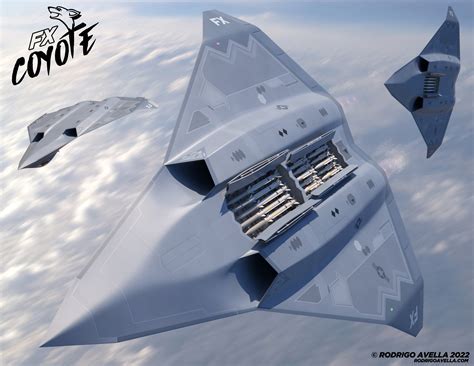
The technology being tested on the F-22 Raptor could have far-reaching implications for future stealth platforms, including the Next-Generation Air Dominance (NGAD) program. If successful, similar modular coatings may be implemented on the upcoming sixth-generation fighters, enhancing their stealth while simplifying upkeep.
Frequently Asked Questions (FAQ)
1. What is the primary purpose of the F-22 mirror coating?
The mirror coating is designed to enhance stealth capabilities and reduce maintenance challenges. It may assist in infrared signature reduction, radar cross-section minimization, and improved durability against environmental stressors.
2. Is the mirror coating intended to defend against laser weapons?
No, the mirror coating is unlikely to be a laser defense mechanism. Effective laser protection requires specialized coatings covering all surfaces, whereas the F-22’s mirror tiles are selectively applied to specific areas.
3. Will the mirror coating be used on other aircraft?
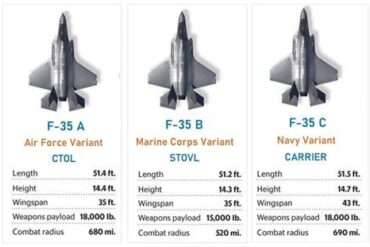
The technology is still in the testing phase, but if successful, similar modular coatings could be adopted for future stealth aircraft, including the NGAD program and possible upgrades to the F-35.
The F-22 mirror coating represents a potential breakthrough in stealth technology, offering a unique combination of infrared suppression, radar cross-section optimization, and enhanced durability. While much remains classified, its implications for future air dominance strategies are significant, marking a shift toward more sustainable and cost-effective stealth solutions.