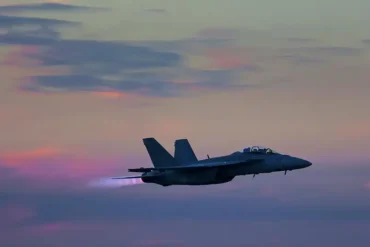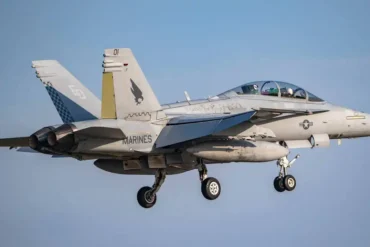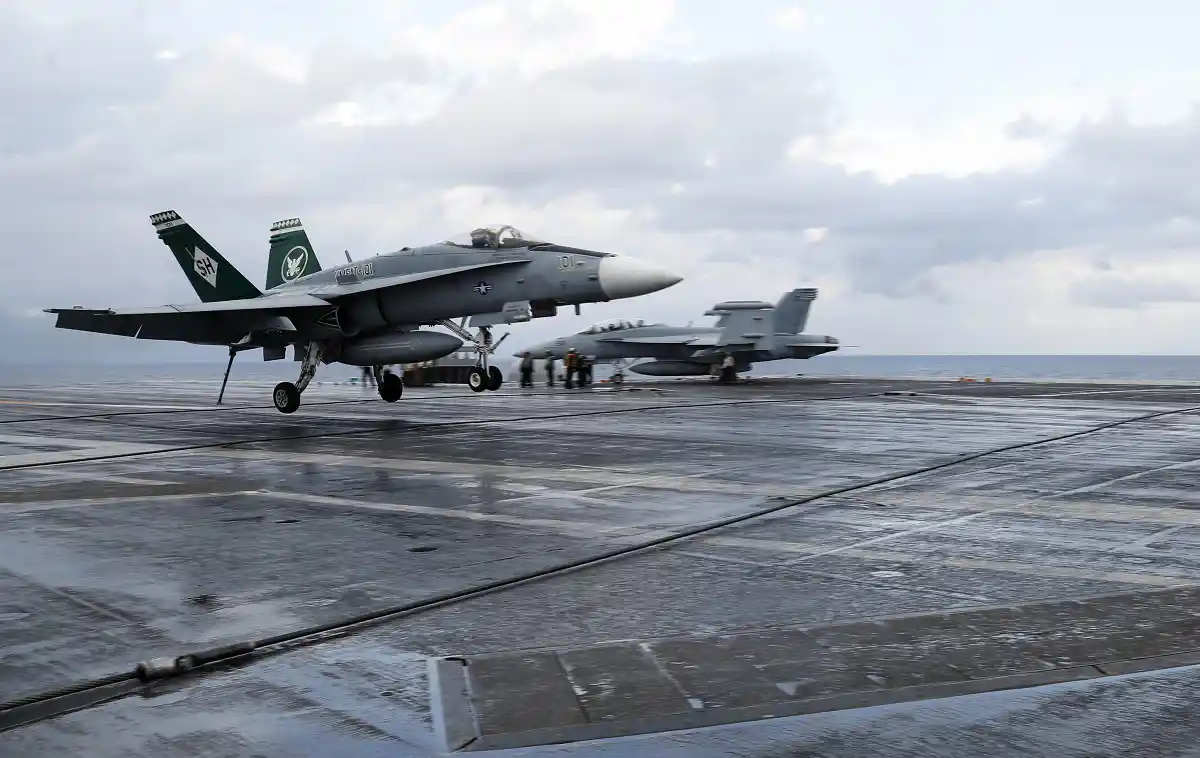
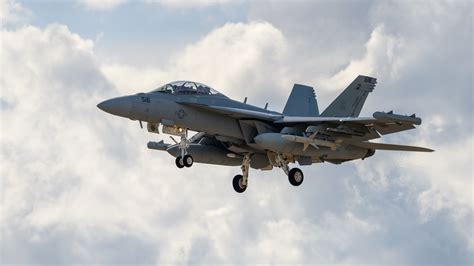
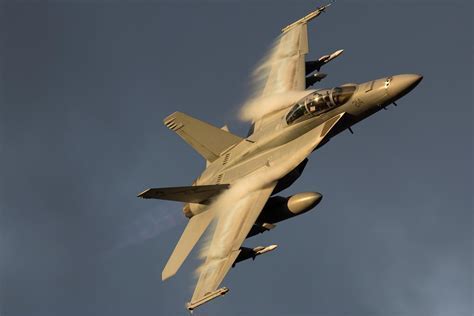
The F/A-18 Hornet and Super Hornet have long been the backbone of U.S. Navy carrier-based aviation, excelling in both air superiority and multi-role operations. Engineered from the outset for aircraft carrier compatibility, these jets offer high maneuverability, advanced avionics, and mission versatility. The F/A-18 series, spanning the original Hornet (F/A-18A/B/C/D) and the upgraded Super Hornet (F/A-18E/F), plays a pivotal role in naval air operations worldwide.
Carrier Adaptability and Design Features
Short Takeoff and Arrested Landing Capabilities
Carrier-based operations demand exceptional takeoff and landing performance. The F/A-18 series was specifically designed with:
- High-thrust-to-weight ratio engines—initially the F404-GE-402 and later the F414-GE-400 for Super Hornet variants—providing rapid acceleration and short-distance launch capabilities via catapult-assisted takeoff.
- Optimized aerodynamics, ensuring smooth handling at low speeds, critical for carrier landings.
- Strengthened landing gear to withstand high-impact arrested landings on moving flight decks.
- Carrier Approach Mode (CAR) for precision landing, improving the aircraft’s ability to align with the deck even in turbulent sea conditions.
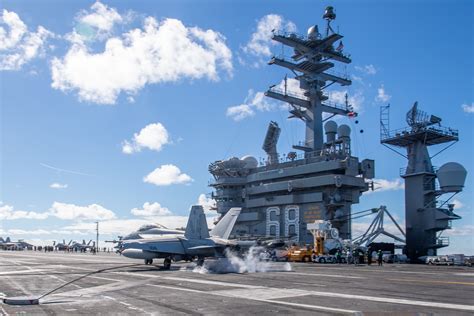
Reinforced Structure and Storage Efficiency
To endure the stresses of naval operations, the F/A-18 incorporates:
- Reinforced airframe and landing gear, enabling “controlled crashes” onto the deck.
- Wing-folding mechanism, reducing wingspan to 7.4 meters, maximizing carrier hangar space and allowing more aircraft storage.
- Corrosion-resistant materials, extending service life in the salty, high-moisture maritime environment.
Advanced Propulsion and Extended Range
Powerplant Enhancements
The transition from the original Hornet’s F404 engine to the Super Hornet’s F414-GE-400 engines provided:
- 97.9 kN of afterburner thrust per engine, improving combat acceleration and maneuverability.
- Thrust-to-weight ratio improvements, making the aircraft more agile despite its larger size.
Increased Fuel Capacity and Range
The Super Hornet (F/A-18E/F) features a 35-40% range increase over earlier models due to:
- Larger internal fuel tanks, enabling longer endurance without immediate refueling.
- Conformal Fuel Tanks (CFTs) on Block III models, further extending range while reducing drag.
- Air-to-air refueling capability, allowing the F/A-18 to serve as both a receiver and aerial tanker.
Multi-Role Combat Capabilities
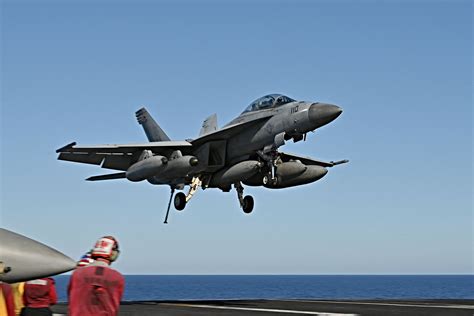
The F/A-18 was built as a true multi-role fighter, seamlessly executing air-to-air, air-to-ground, and electronic warfare missions.
Air Superiority and Beyond-Visual-Range Combat
For air dominance, the F/A-18 is equipped with:
- AIM-9X Sidewinder and AIM-120 AMRAAM air-to-air missiles for close and long-range engagements.
- Helmet-Mounted Cueing Systems (HMCS), enabling pilots to lock onto targets simply by looking at them.
- Radar cross-section reduction techniques, enhancing survivability in contested airspace.
Precision Strike and Anti-Ship Warfare
As a strike fighter, the F/A-18 delivers:
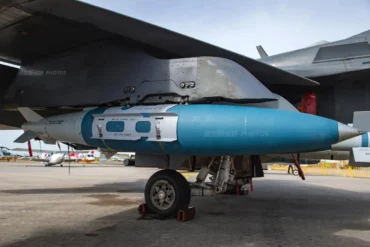
- 8,000 kg (17,600 lbs) of payload capacity, carrying JDAMs, AGM-65 Mavericks, and AGM-88 HARM missiles.
- Naval strike capabilities, including AGM-158C LRASM, a long-range anti-ship missile for surface warfare.
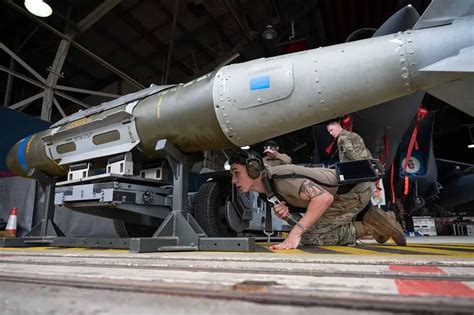
Electronic Warfare and Tactical Jamming
The EA-18G Growler, a specialized variant, serves as a dedicated electronic warfare platform, featuring:
- ALQ-99 jamming pods, suppressing enemy radar and communication systems.
- AGM-88 HARM missiles, neutralizing enemy air defenses.
- Successful simulated engagements against F-22 Raptors, proving its electronic superiority.
Tactical Integration with Carrier Strike Groups
Network-Centric Warfare and Real-Time Data Sharing
The F/A-18 Block III incorporates cutting-edge networking technology, enhancing fleet-wide operations:
- Tactical Targeting Network Technology (TTNT), linking pilots, ships, drones, and AWACS for real-time battlefield awareness.
- Infrared Search and Track (IRST) systems, providing stealth aircraft detection capabilities.
Human-Machine Teaming with Unmanned Systems
Looking ahead, the F/A-18 is poised for next-generation carrier warfare, integrating with:
- Loyal Wingman UAVs, such as the MQ-25 Stingray, for extended strike and reconnaissance missions.
- Autonomous refueling drones, reducing pilot workload and extending combat range.
Global Deployment and Operational Use
U.S. Navy Carrier Operations
As the successor to the F-14 Tomcat, the F/A-18 is the primary carrier-based strike aircraft, currently deployed on:
- Nimitz-class carriers (e.g., USS Theodore Roosevelt – CVN-71).
- Ford-class carriers (e.g., USS Gerald R. Ford – CVN-78).
International Operators
Beyond the U.S. Navy, several allied nations employ the F/A-18 series for their naval and expeditionary forces:
- Australia: Operates Super Hornets and EA-18G Growlers for regional security.
- Kuwait: Recently acquired F/A-18E/F Block III variants for defensive air patrols.
- Canada, Spain, and Finland: Maintain F/A-18 Hornets for multi-role fighter operations.
Conclusion
The F/A-18 Hornet and Super Hornet continue to dominate carrier-based aviation, offering unparalleled flexibility, reliability, and combat effectiveness. With continuous upgrades, including Block III enhancements, these aircraft remain at the forefront of naval airpower, projected to serve well into the 2040s. Their ability to integrate with next-generation warfare technologies, including network-centric operations and unmanned teaming, ensures their relevance in future maritime conflicts.
Frequently Asked Questions
1. What makes the F/A-18 ideal for aircraft carrier operations?
The F/A-18 is specifically designed for carrier-based missions, featuring reinforced landing gear, a wing-folding mechanism, and short takeoff/landing capabilities. Its structural durability allows it to withstand the extreme stress of arrested landings.
2. How does the Super Hornet differ from the original F/A-18 Hornet?
The Super Hornet (F/A-18E/F) is larger, more powerful, and has greater fuel capacity than the original Hornet. It also features advanced avionics, an increased payload, and extended combat range. The latest Block III versions further enhance stealth, connectivity, and endurance.
3. What are the future upgrades planned for the F/A-18?
Upcoming F/A-18 Block III upgrades include conformal fuel tanks for extended range, advanced network warfare capabilities, and improved cockpit displays. Additionally, integration with unmanned aerial vehicles (UAVs) and next-gen radar systems will enhance mission effectiveness.