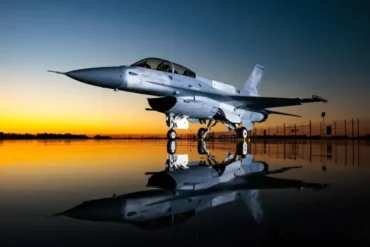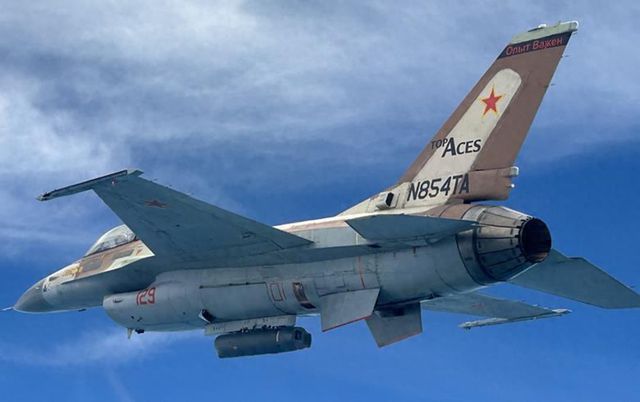
The F-16 Fighting Falcon is one of the most agile and widely deployed multirole fighter aircraft in the world. Central to its performance is an advanced exhaust system, which plays a critical role in optimizing thrust, fuel efficiency, and stealth characteristics. This article explores the detailed engineering behind the F-16’s exhaust system, from its engine configuration to material composition and aerodynamic refinements.
Engine and Nozzle Configuration
The F-16 Fighting Falcon primarily employs two turbofan engine options:
Pratt & Whitney F100 and General Electric F110 Engines
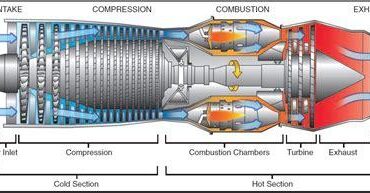
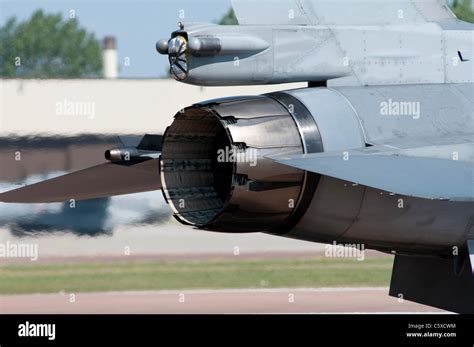
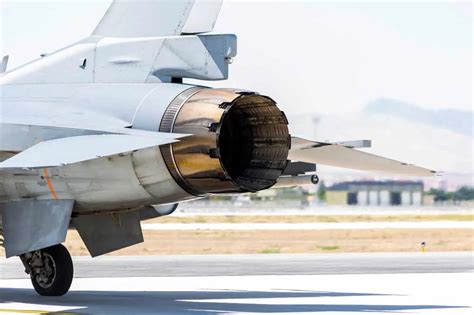
These engines are designed with a convergent-divergent (CD) exhaust nozzle, which adjusts dynamically to optimize thrust output based on flight conditions. The variable nozzle geometry ensures maximum performance across subsonic and supersonic speeds.
- Pratt & Whitney F100: Used in earlier F-16 models, this afterburning turbofan delivers strong thrust while maintaining reliability.
- General Electric F110: Found in later versions, this engine provides enhanced thrust-to-weight ratios and superior afterburner efficiency.
Afterburner Function and Performance Boost
The afterburner system plays a pivotal role in maximizing the aircraft’s speed and climb rate. When engaged:
- The nozzle expands to accommodate the increased exhaust gas volume.
- Thrust is boosted by 50-70%, enabling supersonic speeds and rapid altitude gains.
- The increased temperature and pressure require advanced thermal management to prevent structural fatigue.
Materials and Thermal Management
The extreme heat generated by the F-16 exhaust system demands the use of specialized alloys and coatings to ensure durability and longevity.
Heat-Resistant Alloys
The nozzle components are crafted from high-performance materials such as:
- Titanium alloys: Known for their high strength-to-weight ratio and resistance to oxidation.
- Nickel-based superalloys (e.g., Inconel): Provide exceptional thermal stability, maintaining integrity at temperatures exceeding 1,700°C (3,092°F).
Ceramic Thermal Barrier Coatings
To further enhance thermal resilience, some F-16 nozzles incorporate ceramic coatings that reduce heat transfer, improving durability and performance over prolonged afterburner use.
Aerodynamic and Stealth Enhancements
The F-16 exhaust system integrates several aerodynamic and stealth-conscious design elements to reduce drag and detectability.
Turkey Feathers: Improving Aerodynamic Flow
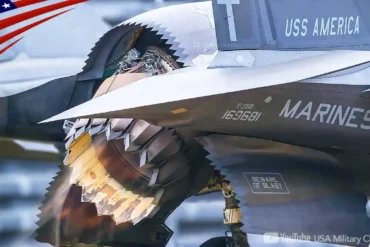
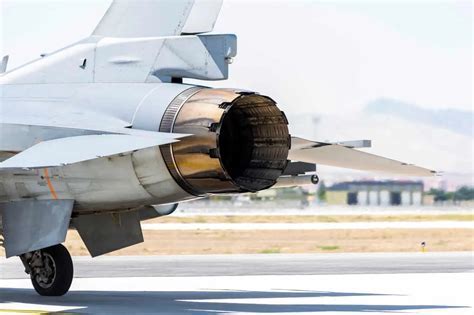
The nozzle includes segmented “turkey feather” petals, which are designed to:
- Streamline exhaust flow, reducing turbulence and drag.
- Improve fuel efficiency by optimizing the exhaust expansion process.
- Provide a sleek, aerodynamic transition between the engine and airframe.
In some combat scenarios, these turkey feathers are removed to simplify maintenance, though this can lead to minor aerodynamic efficiency losses.
Stealth Considerations
Although the F-16 is not a stealth aircraft, newer variants such as the Block 70/72 incorporate design refinements to lower radar cross-section (RCS) and infrared (IR) signature.
- Serrated nozzle edges disrupt radar reflections, reducing detectability.
- Some models integrate radar-absorbent materials (RAM) to minimize emissions.
- The use of cooling mechanisms can lower the aircraft’s infrared visibility against heat-seeking missiles.
Thrust Vectoring: Experimental Applications
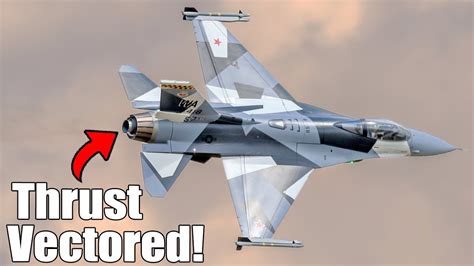
While standard F-16 models do not feature thrust vectoring, experimental programs have tested 3D nozzle designs to improve maneuverability.
F-16 Multi-Axis Thrust Vectoring (MATV)
- The F-16 MATV variant tested a movable nozzle, allowing directional thrust control.
- Thrust vectoring enhances post-stall maneuvers, improving dogfight performance.
- Despite these advantages, thrust vectoring was not adopted into operational fleets due to cost and mechanical complexity.
Maintenance and Durability Challenges
The F-16 exhaust system undergoes immense thermal and mechanical stress, requiring regular inspections and maintenance.
Key Maintenance Practices
- Routine inspections detect cracks, warping, or metal fatigue.
- Engine Health Monitoring Systems (EHMS) use sensors to track exhaust performance and predict potential failures.
- Component replacements are necessary over time, particularly for high-wear areas like nozzle actuators and thermal shielding.
The integration of predictive maintenance algorithms helps reduce unexpected failures, ensuring mission readiness.
Conclusion
The F-16 exhaust system represents a sophisticated blend of engineering precision, thermal management, and aerodynamic efficiency. Its ability to adapt to high-thrust demands, extreme temperatures, and evolving stealth requirements ensures the F-16 remains one of the most formidable fighter aircraft in the world.
FAQ: Common Questions About the F-16 Exhaust System
1. Why does the F-16’s exhaust nozzle expand during afterburner operation?
The variable geometry nozzle expands to allow more exhaust gases to escape, ensuring maximum thrust output while maintaining engine efficiency at high speeds.
2. What materials are used in the F-16 exhaust system to withstand extreme heat?
The nozzle is constructed from nickel-based superalloys (e.g., Inconel), titanium alloys, and ceramic thermal barrier coatings to resist temperatures exceeding 1,700°C (3,092°F).
3. Does the F-16 have thrust vectoring like some modern fighter jets?
No, standard F-16 models do not have thrust vectoring, but experimental versions like the F-16 MATV tested a multi-axis thrust vectoring nozzle for enhanced agility.