Airplane skin is a fundamental element of aircraft construction, serving as the outermost surface that envelops the entire structure of an aircraft, including its wings and fuselage. It is essential not only for maintaining the integrity and strength of the aircraft but also for ensuring aerodynamic efficiency and fuel economy. The skin of an airplane provides protection from external factors such as weather conditions, pressure changes, and physical impacts during flight. The materials used to create this surface are meticulously chosen for their ability to withstand the harsh demands of air travel, ensuring both safety and durability over extended periods of use. In this article, we will delve into the importance, construction, materials, and challenges of airplane skin, offering a comprehensive look into this vital component of modern aviation.
What Is Airplane Skin?
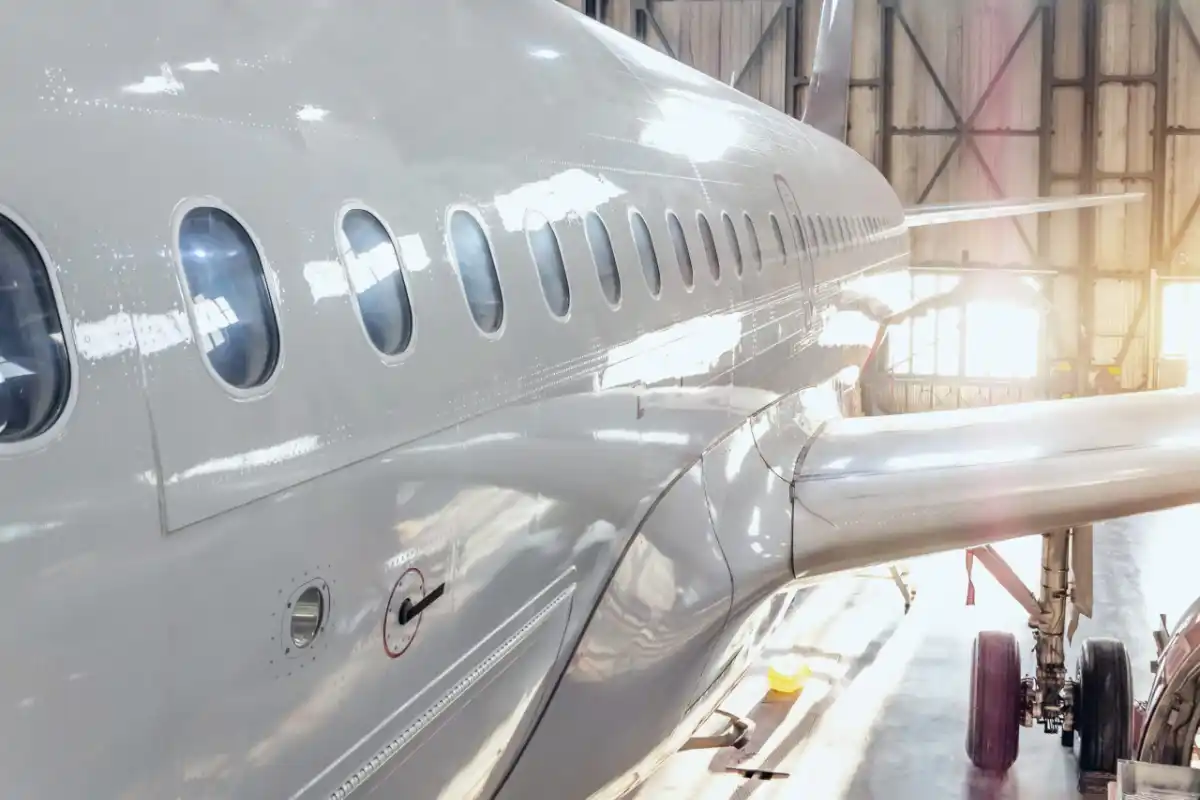
The skin of an aircraft refers to the outer surface that covers much of the wings, fuselage, and other parts of the aircraft’s body. It plays a critical role in the structural integrity of the aircraft, providing a seamless, aerodynamic shell that allows the plane to maintain its shape and withstand various physical forces during flight. The skin not only serves as a protective barrier against environmental elements but also contributes to the overall performance of the aircraft.
In addition to providing structural support, airplane skin is also designed to ensure aerodynamic efficiency, which is crucial for reducing drag and improving fuel efficiency. The smooth, durable surface is engineered to minimize air resistance while maximizing lift and stability, enabling the aircraft to achieve optimal performance in different flying conditions.
Materials Used in Aircraft Skin Construction
The materials used to construct airplane skin are chosen for their unique combination of strength, lightness, and resistance to fatigue and corrosion. The most common materials used in modern aircraft skin construction include:
- Aluminum and Aluminum Alloys: Historically, aluminum has been the most widely used material for airplane skin due to its excellent balance of strength, weight, and resistance to corrosion. Aluminum alloys, which combine aluminum with metals such as copper, magnesium, and zinc, are commonly used to enhance the material’s strength and durability. These alloys are lightweight yet strong, making them ideal for aviation applications where weight is a critical factor.
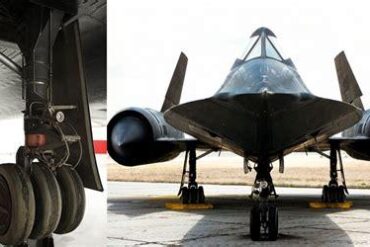
- Titanium: In certain high-performance and military aircraft, titanium is used for its exceptional strength-to-weight ratio and high resistance to heat and corrosion. Titanium is more expensive than aluminum but offers superior performance in high-stress conditions, such as during supersonic flight or when exposed to extreme temperatures.
- Steel Alloys: Though heavier than aluminum and titanium, steel alloys are used in specific areas of an aircraft that require extra strength, such as landing gear and certain structural components. The skin in these areas may be reinforced with steel to ensure the aircraft can handle heavy loads during takeoff, landing, and other high-stress situations.
- Composites and Carbon Fiber: In modern aircraft designs, composite materials, including carbon fiber-reinforced polymers (CFRP), are becoming increasingly popular due to their light weight and exceptional strength. These materials are used in areas where weight reduction is a priority, such as in the fuselage and wings of newer aircraft models. CFRP, in particular, is resistant to corrosion and can withstand high levels of stress, making it ideal for commercial and military applications.
The Role of Airplane Skin in Aircraft Aerodynamics
One of the primary functions of airplane skin is its impact on the aircraft’s aerodynamics. The smooth, continuous surface ensures that air flows efficiently over the aircraft’s body, reducing drag and minimizing energy losses during flight. Airplanes are designed to operate in turbulent air conditions, and the skin helps to maintain the aircraft’s streamlined shape, allowing it to cut through the atmosphere with minimal resistance.
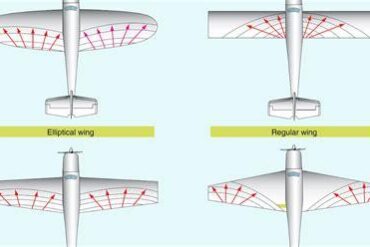
The aerodynamics of an aircraft are influenced by several factors, including the shape of the wings, fuselage, and the skin’s surface quality. A smooth and even skin surface prevents the creation of turbulent air pockets that could lead to additional drag. This efficiency in aerodynamics directly translates into better fuel efficiency, longer flight ranges, and enhanced stability during flight.
Furthermore, the skin also plays a role in maintaining the structural integrity of the aircraft. The outer surface works in tandem with the internal frame and skeleton of the aircraft to ensure that it remains stiff and resilient against the stresses of flight. The combination of materials and design ensures that the skin can withstand not only the aerodynamic forces but also environmental pressures such as changes in temperature and atmospheric conditions.
Challenges in Aircraft Skin Design and Maintenance
While the design and construction of airplane skin are meticulously engineered, the challenges of maintaining the integrity of the skin over time cannot be underestimated. Aircraft are subjected to intense stresses during every flight, including changes in altitude, pressure fluctuations, and extreme weather conditions, all of which can take a toll on the skin’s condition.
Some of the most common issues that can affect airplane skin include:
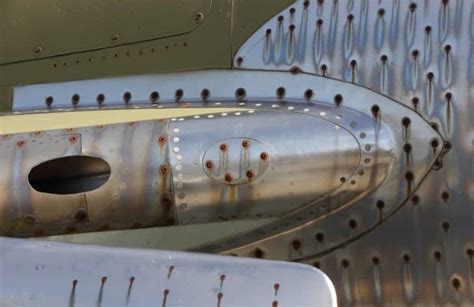
- Corrosion: Over time, exposure to moisture, saltwater, and other environmental elements can cause corrosion on the surface of the skin, especially in areas that are frequently exposed to the elements, such as the wings and fuselage. Aircraft manufacturers use specialized coatings and treatments to prevent corrosion, but regular maintenance and inspections are still necessary to ensure the skin remains in optimal condition.
- Fatigue and Cracks: The continuous cycles of pressurization and depressurization that an aircraft undergoes during flight can cause the skin to weaken and develop cracks. This phenomenon, known as metal fatigue, is a major concern for aircraft manufacturers and operators, as even small cracks can compromise the integrity of the aircraft. Regular inspections and repairs are necessary to detect and address fatigue damage before it becomes a safety risk.
- Impact Damage: Birds, debris, and other objects encountered during flight can cause significant damage to the skin. Small impacts, while generally not compromising the aircraft’s overall structure, can lead to dents, punctures, or even more serious damage. To mitigate this risk, aircraft skin is designed to absorb and distribute impact forces, and many modern airplanes are equipped with bird strike-resistant materials to minimize potential damage.
- Environmental Wear and Tear: Exposure to UV radiation, fluctuating temperatures, and other environmental factors can degrade the materials used in aircraft skin over time. The outer layers of the skin may become brittle or discolored, requiring resurfacing or repainting to maintain both the appearance and performance of the aircraft.
Innovations in Aircraft Skin Technology
Advancements in materials science and engineering have led to significant innovations in the field of aircraft skin construction. These innovations are aimed at improving the performance, durability, and cost-efficiency of aircraft skin, while also addressing environmental concerns.
One notable development is the growing use of smart materials in airplane skin design. These materials can respond to changes in environmental conditions by altering their shape or properties. For example, certain types of materials may become more rigid in response to increased air pressure or temperature, offering enhanced protection against external forces.
Another area of innovation is the use of self-healing materials. Researchers have been working on materials that can automatically repair themselves when damaged, such as when a crack forms in the skin. These materials contain microcapsules filled with healing agents that are released when the skin is damaged, enabling the material to mend itself and maintain its structural integrity.
Additionally, improvements in aerodynamic coatings have made it possible to create skin surfaces that reduce drag even further. Special coatings are applied to the skin to make it more resistant to dirt, moisture, and other contaminants, ensuring that the aircraft remains as aerodynamic as possible throughout its lifespan.
Conclusion: The Future of Airplane Skin Design
The skin of an aircraft is much more than just an outer covering—it is a critical component that contributes to the aircraft’s overall performance, safety, and efficiency. Advances in materials science, design technology, and maintenance techniques continue to enhance the capabilities of airplane skin, ensuring that it can withstand the demanding conditions of modern air travel while offering improved fuel efficiency and reduced environmental impact.
As the aviation industry continues to evolve, we can expect even greater innovations in the design and construction of airplane skin. From lightweight composite materials to self-healing technologies, the future of aircraft skin is poised to transform how we think about air travel, making it safer, more sustainable, and more efficient than ever before.