The aircraft fuel system is the beating heart of every flight, engineered to provide a continuous, reliable flow of fuel from the storage tanks to the engine under varying conditions of altitude, attitude, and power demand. Whether in a high-wing Cessna 172 or a fuel-injected Cirrus SR22, the fuel system is a complex network of components designed for performance, safety, and redundancy.
At its core, the fuel system’s goal is simple: ensure the engine receives uninterrupted fuel flow. However, accomplishing that goal involves a dynamic blend of mechanical engineering, fluid dynamics, and pilot interface. From the design of the tanks to the intricacies of fuel pumps and selectors, each component plays a vital role in maintaining engine performance throughout the phases of flight.
Fuel Tank Design and Placement
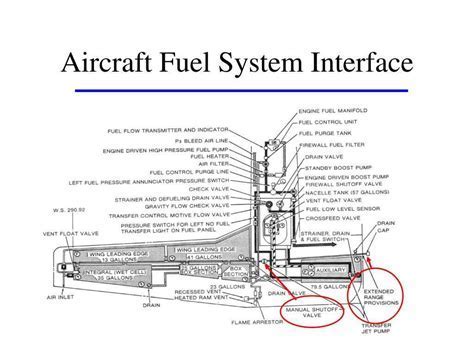
Most light aircraft carry fuel in wing-integrated tanks. This design not only makes use of structural space but also optimizes weight distribution and aerodynamic efficiency. The tanks are typically accessed via filler caps located on the upper surface of the wings. Beneath the tanks, fuel drains are installed to allow for preflight fuel sampling and removal of contaminants, especially water. These drains are critical for safety and are placed at the system’s lowest points to capture the densest impurities.
Vent systems are another important feature, allowing internal pressure within the tanks to remain balanced during altitude changes and fuel usage. Without proper venting, a vacuum could restrict fuel flow to the engine, risking power loss.
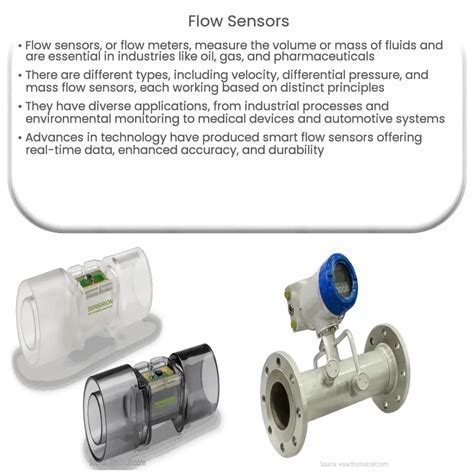
Each tank is also equipped with sensing units that feed data to cockpit gauges. These sensors, often float-based or capacitive, allow pilots to monitor fuel levels in real-time. However, pilots are trained to treat these readings as estimates rather than precise measurements, always verifying actual fuel quantity during the preflight inspection.
Gravity-Fed vs. Pump-Fed Systems
Aircraft fuel systems come in two primary configurations: gravity-fed and pump-fed.
In a gravity-fed system, fuel flows from the wing tanks down to the engine solely through the force of gravity. This is most effective in high-wing aircraft, such as the Cessna 172, where the tanks are positioned above the engine. There is minimal mechanical intervention required, reducing system complexity and maintenance needs.
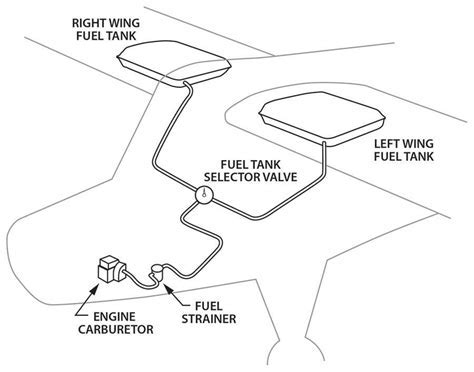
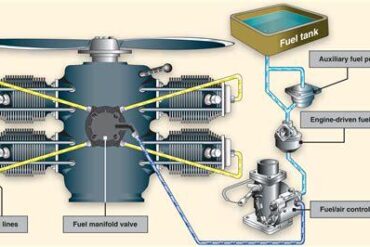
Conversely, pump-fed systems are employed in low-wing aircraft where gravity alone cannot ensure fuel delivery. These systems rely on an engine-driven pump to maintain fuel pressure and flow. As a redundancy, an electric boost pump is also integrated. This auxiliary pump supports fuel flow during engine startup, takeoff, and in the event of a primary pump failure.
In aircraft with fuel-injected engines, the electric pump becomes even more critical, providing initial pressurization and maintaining smooth engine operation across varying throttle settings and attitudes.
Fuel Selector Valve and Pilot Control
The fuel selector valve is a pivotal component in managing which tank feeds the engine. Depending on aircraft design, the selector may offer options such as Left, Right, Both, or Off.
Aircraft with separate left and right tanks require the pilot to manually alternate between them, preventing a fuel imbalance that could affect lateral stability. In some models, the Both setting allows simultaneous draw from both tanks, although certain aircraft tend to favor one tank slightly—requiring the pilot to monitor and correct imbalance actively.
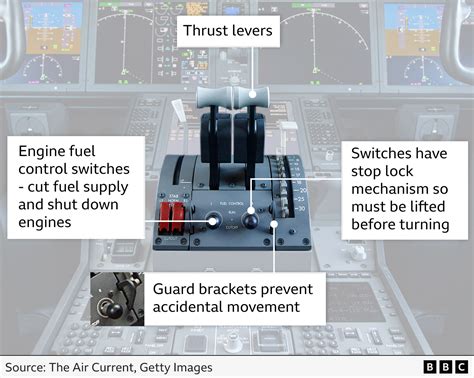
Shutting off fuel flow via the Off position is a safety necessity in emergencies such as engine fires, preventing fuel from feeding the blaze.
Fuel Priming and Starting Mechanisms
Starting the engine—especially in colder conditions—requires a priming mechanism to deliver an initial shot of fuel directly into the intake system. In carbureted engines, this is usually done via a manual primer, operated by the pilot. The primer bypasses the carburetor and injects fuel directly into the intake manifold or cylinders.
In contrast, fuel-injected engines utilize the electric fuel pump for priming. When the master and boost switches are engaged, the pump pressurizes the fuel lines, ensuring instant availability of vaporized fuel for ignition.
Strainers and Fuel Quality Control
To protect the engine from particulate matter and water contamination, fuel must pass through a strainer or fuel filter before reaching the engine. These strainers are strategically located at the lowest point of the fuel system, allowing gravity to collect impurities.
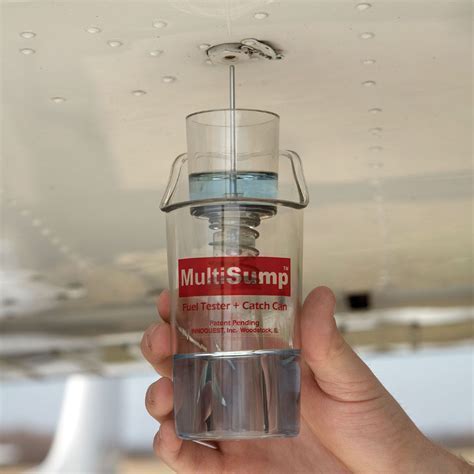
The fuel strainer sump is typically checked during preflight, where the pilot draws a sample using a tester. Visual inspection ensures the fuel is free of water, which can collect due to condensation or refueling issues. Water in the fuel can cause engine roughness or failure, especially during takeoff and climb.
Fuel Quantity and Pressure Gauging
Monitoring systems are essential for operational awareness. Two primary indicators are used in the cockpit:
-
Fuel Quantity Gauges: These display the estimated amount of fuel in each tank. While they help prevent inadvertent fuel starvation, pilots are trained not to rely on them exclusively.
-
Fuel Pressure Gauges: Found in pump-fed systems, these indicate whether the engine-driven and electric pumps are delivering adequate pressure. A drop in pressure could signal pump failure, blockage, or vapor lock.
Modern aircraft increasingly incorporate digital fuel monitoring systems with real-time calculations of fuel consumption, endurance, and remaining flight time, offering pilots data-rich tools for in-flight decision-making.
Fuel Management and Safety Procedures
Effective fuel management begins on the ground. Pilots are trained to perform:
-
Visual inspections of fuel quantity and quality
-
Fuel drain checks for water or debris
-
Selector valve positioning based on fuel balance
-
Cross-checking planned fuel burn with available supply
During flight, pilots are expected to:
-
Regularly switch tanks to maintain balance
-
Monitor fuel pressure and quantity
-
Use the electric fuel pump during high-demand phases (takeoff, climb)
-
Be alert for signs of vapor lock or fuel starvation
Mismanagement of fuel is a major contributor to general aviation engine failures. Structured procedures and checklists help mitigate this risk.
The Role of Fuel Injection vs. Carburetion
Aircraft engines use either fuel injection or carburetion to mix air and fuel. Fuel-injected engines spray pressurized fuel directly into the intake port of each cylinder, delivering more precise metering, improved fuel efficiency, and better altitude performance. These systems, however, are more sensitive to contaminants and require consistent pressure regulation.
Carbureted engines, while simpler and cheaper, mix fuel and air in a venturi before delivery to the cylinders. They are more prone to icing, necessitating the use of carb heat in moist or cold air conditions.
The chosen fuel delivery system influences many aspects of aircraft design, including pump requirements, priming method, and emergency procedures.
Regulatory Standards and Certification
All components of the aircraft fuel system must comply with FAA Part 23 regulations or equivalent international standards. These stipulations ensure systems:
-
Withstand altitude-induced pressure changes
-
Maintain flow during abrupt maneuvers
-
Remain operable after electrical or mechanical failures
-
Provide safety features like overflow vents and firewalls
Fuel systems undergo rigorous testing during aircraft certification, including flow rate testing, pressure resilience, and contamination management.
Conclusion
The aircraft fuel system is an intricately engineered network where gravity, mechanics, and human decision-making converge to support safe and efficient flight. Understanding each component’s function—from wing tank to injector—is not just academic knowledge, but a vital part of aviation safety. As aircraft become increasingly sophisticated, fuel systems will continue evolving with greater integration, automation, and redundancy, setting new benchmarks for performance and reliability.
FAQs
What is the main difference between a gravity-fed and pump-fed fuel system?
A gravity-fed system relies solely on gravity to deliver fuel from the tank to the engine, typically used in high-wing aircraft. A pump-fed system requires engine-driven and electric pumps to move fuel, common in low-wing or fuel-injected aircraft.
Why is draining fuel samples before flight so important?
Draining samples helps detect and remove water or debris that could cause engine failure. Since water is denser than avgas, it collects at the system’s lowest points, making sampling essential for flight safety.
Can fuel gauges in aircraft be trusted for accuracy?
Fuel gauges offer useful estimates but are not always precise. Pilots must cross-verify with visual inspections and calculated fuel consumption to ensure accurate awareness of fuel status.