Airbus is once again confronting delays across its flagship A350 widebody program, with production bottlenecks at a former Spirit AeroSystems facility in North Carolina now disrupting deliveries scheduled for later this decade. The issue underscores how deeply fragile the global aerospace supply chain remains, even years after the aviation industry rebounded from the COVID-19 crisis.
The European aircraft manufacturer has reportedly informed several airline customers that future A350 deliveries may arrive later than expected due to shortages involving essential fuselage structures and carbon-fiber wing components. The manufacturing disruption is centered around the Kinston, North Carolina plant previously operated by Spirit AeroSystems, a major aerospace supplier that produced structures for both Boeing and Airbus programs before its ownership changes reshaped the industry landscape.
The delays arrive at a difficult moment for airlines that are aggressively expanding long-haul fleets to capture booming international travel demand. Many carriers already face years-long waits for new-generation aircraft, and additional A350 disruptions could further tighten global widebody availability.
After Boeing moved to reacquire Spirit AeroSystems in an effort to strengthen manufacturing oversight and quality control, Airbus took ownership of several Spirit facilities dedicated to Airbus aircraft structures. Among the most strategically important was the Kinston operation, where workers manufacture large A350 fuselage sections and advanced composite wing spars.
However, Airbus has encountered a major staffing problem since the acquisition. Numerous experienced employees reportedly chose to transfer to Boeing-aligned operations instead of remaining within Airbus-controlled facilities. That talent drain has slowed production capacity at a plant responsible for some of the A350’s most critical structural components.
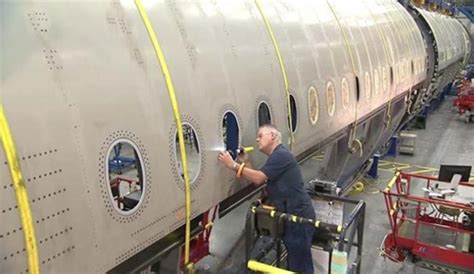
The staffing shortage has become severe enough that Airbus has dispatched employees from Europe to help stabilize production lines in the United States. Even with that intervention, output rates remain below expectations. The result is a cascading delay effect that now threatens delivery schedules for airlines planning fleet modernization programs around the A350 platform.
The situation illustrates a broader challenge facing modern aircraft manufacturing. Widebody jets like the A350 depend on highly specialized labor and precision composite engineering that cannot be rapidly replaced. Unlike simpler industrial production environments, aerospace manufacturing requires years of technical expertise, regulatory certification familiarity, and strict quality management systems. Losing experienced workers can significantly disrupt assembly timelines even when facilities and tooling remain operational.
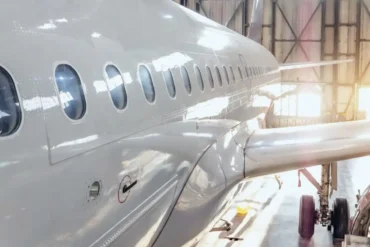
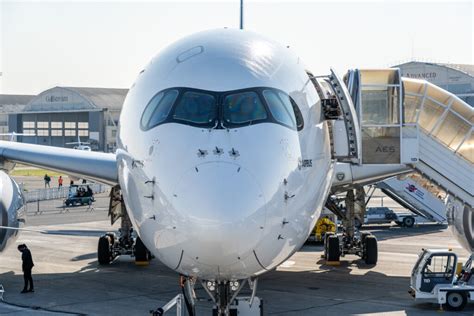
The A350 itself remains one of Airbus’ most strategically important aircraft. Designed to compete directly with Boeing’s 787 Dreamliner and 777 families, the jet has become popular among international carriers seeking lower fuel burn, extended range, and improved passenger comfort. Airlines across Europe, Asia, and the Middle East continue to place strong demand behind the aircraft despite ongoing delivery uncertainties.
At the same time, Airbus is managing a separate supply chain concern in Europe involving the upcoming A350F freighter program. According to reports, manufacturing complications in Spain are affecting production related to the freighter’s massive main-deck cargo door, one of the aircraft’s defining engineering features.
Only recently did Airbus complete production of the first A350F cargo door, which is expected to become the largest main-deck cargo door installed on a commercial freighter aircraft. Measuring approximately 4.5 meters wide and 4.3 meters high, the enormous structure is central to the freighter’s cargo handling capability and operational flexibility.
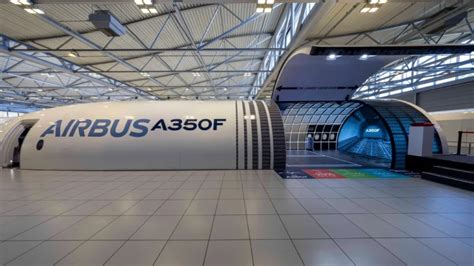
Any disruption involving such a specialized component naturally raises concerns regarding certification timelines and program readiness. Cargo aircraft require rigorous structural testing because of the extreme loads imposed during freight operations, particularly around large fuselage openings such as cargo doors.
Despite those concerns, Airbus maintains that the A350F development timeline remains intact. Company representatives continue to project a first flight later this year, with entry into service expected in 2027. That schedule is especially important because several cargo operators are counting on the aircraft to replace aging Boeing 747 freighters and older-generation cargo fleets facing mounting fuel and emissions pressures.
The broader aviation market continues to suffer from the lingering consequences of pandemic-era disruptions. During COVID-19, airlines retired large portions of their fleets while suppliers reduced staffing and manufacturing capacity. Once passenger demand returned faster than anticipated, the aerospace industry struggled to rebuild production networks at the same pace.
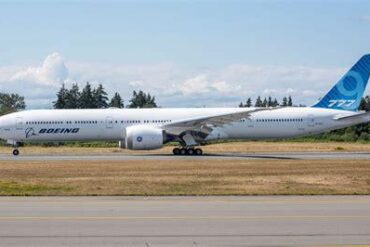
Today, nearly every major aircraft program is experiencing some level of disruption. Boeing’s heavily delayed 777X program remains years behind its original schedule, while narrowbody production challenges continue to impact both the Boeing 737 MAX and Airbus A320neo families. Engine shortages have added another layer of complexity, particularly involving Pratt & Whitney GTF powerplants used on the A320neo and Airbus A220 programs.
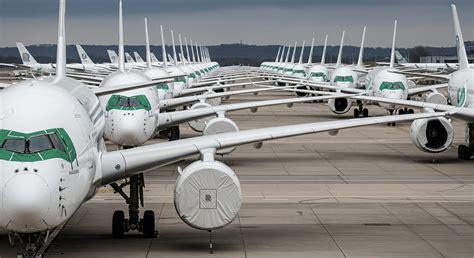
For airlines, these delays translate directly into operational pressure. Carriers planning route expansions or fleet retirements increasingly find themselves forced to extend the life of older aircraft because replacements are simply unavailable. Higher maintenance costs, reduced fuel efficiency, and constrained seat capacity have become common side effects of delayed aircraft deliveries.
Airbus still holds a strong competitive position in the long-haul market, particularly as airlines seek alternatives amid Boeing’s continuing certification and production challenges. Yet the latest A350 setbacks demonstrate that even the world’s largest aerospace manufacturers remain vulnerable to labor shortages and supply chain fragmentation.
As demand for widebody aircraft accelerates, Airbus now faces mounting pressure to restore stable production flow at its former Spirit AeroSystems facilities. Until that happens, airlines awaiting new A350 deliveries may need to prepare for longer timelines in an industry where delays have increasingly become the norm rather than the exception.