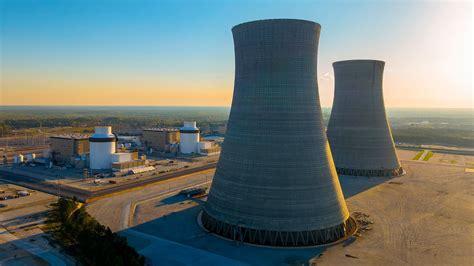
Nestled in the southeastern corner of Georgia, Plant Vogtle has emerged as the largest nuclear power plant in the United States, a symbol of ambition, innovation, and controversy in America’s energy landscape. As of 2025, this behemoth generates approximately 4.8 gigawatts (GW) of electricity, surpassing Arizona’s Palo Verde plant and placing itself at the heart of America’s nuclear revival.
A Colossal Contributor to the U.S. Energy Grid
The United States operates the most extensive fleet of nuclear reactors worldwide, with 94 reactors across 54 sites producing roughly 97 GW of power. This vast output not only dwarfs that of France and China but also positions nuclear energy as a critical pillar of American electricity generation. Yet despite the scale, only three new reactors have been commissioned since 1996. Among them, Plant Vogtle has become the crown jewel of this nuclear resurgence.
In May 2025, a bold initiative under the Trump administration aimed to escalate U.S. nuclear capacity to 300 GW by 2050. The plan, centered on a public-private partnership worth $80 billion with Westinghouse Electric, seeks to build ten AP1000 reactors in five years. Plant Vogtle, with its two newly added AP1000 units in 2023 and 2024, is the inaugural embodiment of this vision.
The Long Road to Nuclear Dominance
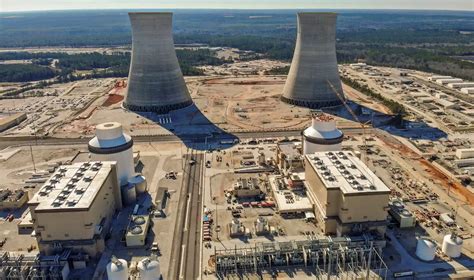
The expansion of Plant Vogtle is both a milestone and a cautionary tale. Approved in 2009, the project marked the first major U.S. nuclear construction effort in 30 years. However, the roots of Vogtle go back much further. The original two units, begun in the 1970s, were mired in delays and cost overruns, ballooning from an initial estimate of $660 million to $8.9 billion by the time both came online in 1989.
This pattern of financial strain repeated in the plant’s recent expansion. Despite its status as the largest power generator in the country, Vogtle’s two new reactors saw their original budget of $14 billion swell to over $30 billion. The seven-year delay from projections was driven by technical glitches, legal entanglements, and financing woes. In contrast, a parallel project at South Carolina’s V.C. Summer Nuclear Station was completely abandoned—amplifying scrutiny over U.S. nuclear development.
Yet, despite the spiraling costs, Vogtle’s added 2.5 GW of capacity has been pivotal. It has helped raise nuclear energy’s contribution to nearly 19% of the U.S. electric grid, underscoring the plant’s foundational role in stabilizing the nation’s energy supply.
Strategic Shifts in U.S. Nuclear Policy
To accelerate nuclear development, the Trump administration pushed for streamlined regulatory policies, directing the Nuclear Regulatory Commission (NRC) to reduce staff and fast-track approvals. While these reforms were designed to cut bureaucratic red tape, they sparked debate among safety advocates concerned about compromised oversight. Nonetheless, the need for stable, scalable, and carbon-free energy continues to outweigh hesitation in many policymaking circles.
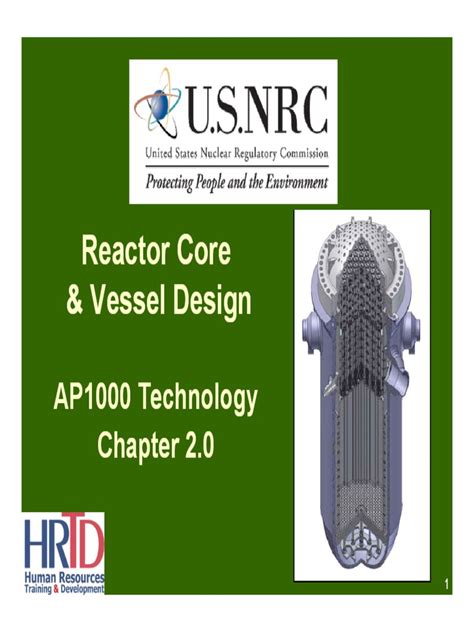
The investment in Westinghouse’s AP1000 reactors—modular, more efficient, and relatively easier to install—signals a broader strategic pivot. These next-generation designs are expected to avoid the engineering pitfalls of their predecessors, presenting a scalable model for future deployment across the U.S.
Carbon-Free Power in a Carbon-Constrained World
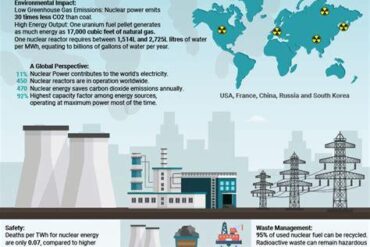
Despite its complicated history, Plant Vogtle exemplifies the climate-conscious promise of nuclear power. By generating nearly 5 GW of power without carbon emissions, the facility offsets over 10 million metric tons of CO₂ annually. Nationwide, nuclear plants account for over half of all carbon-free electricity, cementing their role as a linchpin in the transition to sustainable energy.
Efficiency improvements further bolster the case for nuclear. While the average U.S. reactor operated at 70% capacity in 1991, that figure rose to a record 94% by 2019. This leap in performance has allowed the industry to maintain output despite the closure of 12 reactors since 2013.
Fueling the AI and Data Boom
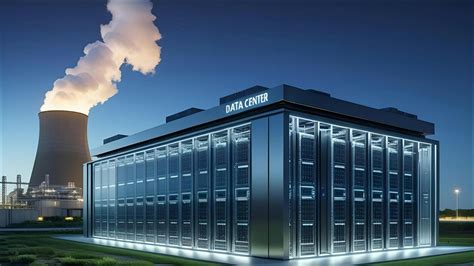
As the artificial intelligence industry explodes, the demand for electricity—particularly for energy-hungry data centers—has surged. In response, tech giants like Google and Microsoft are turning to nuclear solutions, investing in both reviving old plants and constructing new modular units. Plant Vogtle’s success offers a prototype, especially as more firms enter long-term power purchase agreements to secure clean, stable electricity for decades.
The Road Ahead: Promise and Prudence
Though both the Trump and Biden administrations support nuclear power, experts caution that progress will be gradual. Projections show that despite aggressive targets, total U.S. nuclear capacity will likely grow just 27% by 2060. This reflects the technical complexity, financial risk, and public skepticism surrounding nuclear projects.
Nonetheless, confidence is growing around the deployment of small modular reactors (SMRs), which offer lower costs, faster installation, and improved safety features. Still, the U.S. remains committed to its AP1000 roadmap, with plans to deploy ten more units by 2030, each feeding into the goal of national energy independence.
Conclusion: A Giant With Lessons to Teach
Plant Vogtle represents a towering achievement in American energy engineering, as well as a case study in the challenges of large-scale nuclear development. While its cost overruns and delays highlight the complexities of building nuclear infrastructure, its operational success and carbon-free output showcase the immense potential of nuclear energy in meeting the country’s future electricity needs.
As energy demand soars and climate pressures mount, Vogtle’s story may ultimately mark the turning point in how the U.S. approaches its energy future—bigger, cleaner, and hopefully smarter.